

What to Expect From Seeing a Dietitian

Alexandria Physiotherapy and Sports Injury • July 22, 2019

What to Expect When Seeing a Dietitian


Prior to your first appointment


Before we even see you, our reception staff will send you a form to fill in. This is to help us get to know you better before the first consultation. The form includes questions about your medical history, food history and lifestyle habits, along with what you are hoping to achieve from working with us.


At your first appointment


At your initial consultation we spend time going over the initial questionnaire to ensure we have clarified any information, gain more insight and information into any medical symptoms, training program or lifestyle habits that may be impacting you, and then put together initial strategies to help you work towards achieving your goal. This may be some specific changes to your current food intake, or education around a certain aspect of nutrition that will be the most effective first step towards best health.


How long is an appointment?


Your first appointment is scheduled for 45 minutes. Follow ups are scheduled for 30 minutes. If you require a longer appointment, this can be discussed with our reception team at time of booking.


How many times, and how often will we see you?


This really depends on your personal needs, and the reason you have to come to see us. Regular reviews with your dietitian have been shown to improve compliance and achieve better health outcomes compared with going it alone. Follow up appointments are essential to provide you with all the relevant information and practical advice you need to achieve your health goals. In your follow up sessions, we build on the information you are already familiar with and adjust the content to target your priorities. We will always discuss your treatment pathway with you as well, to ensure you understand why and when we want to see you.
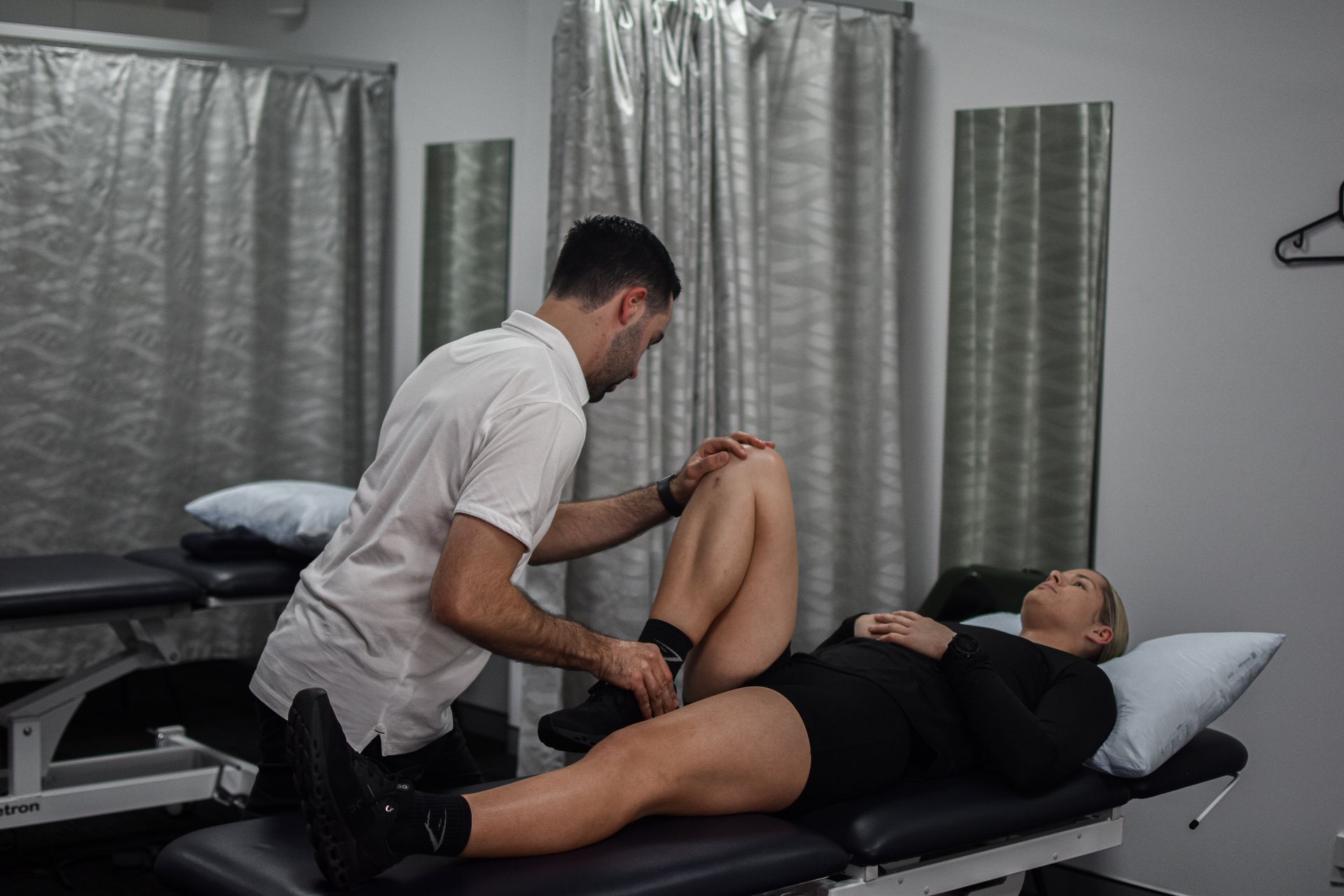
Physiotherapist examining a woman's knee on an examination table in a clinic.
By Alexandria Physiotherapy and Sports Injury October 1, 2025
Understand bone stress injuries & their risk factors. Contact our sports physios for prevention tips and effective rehabilitation.
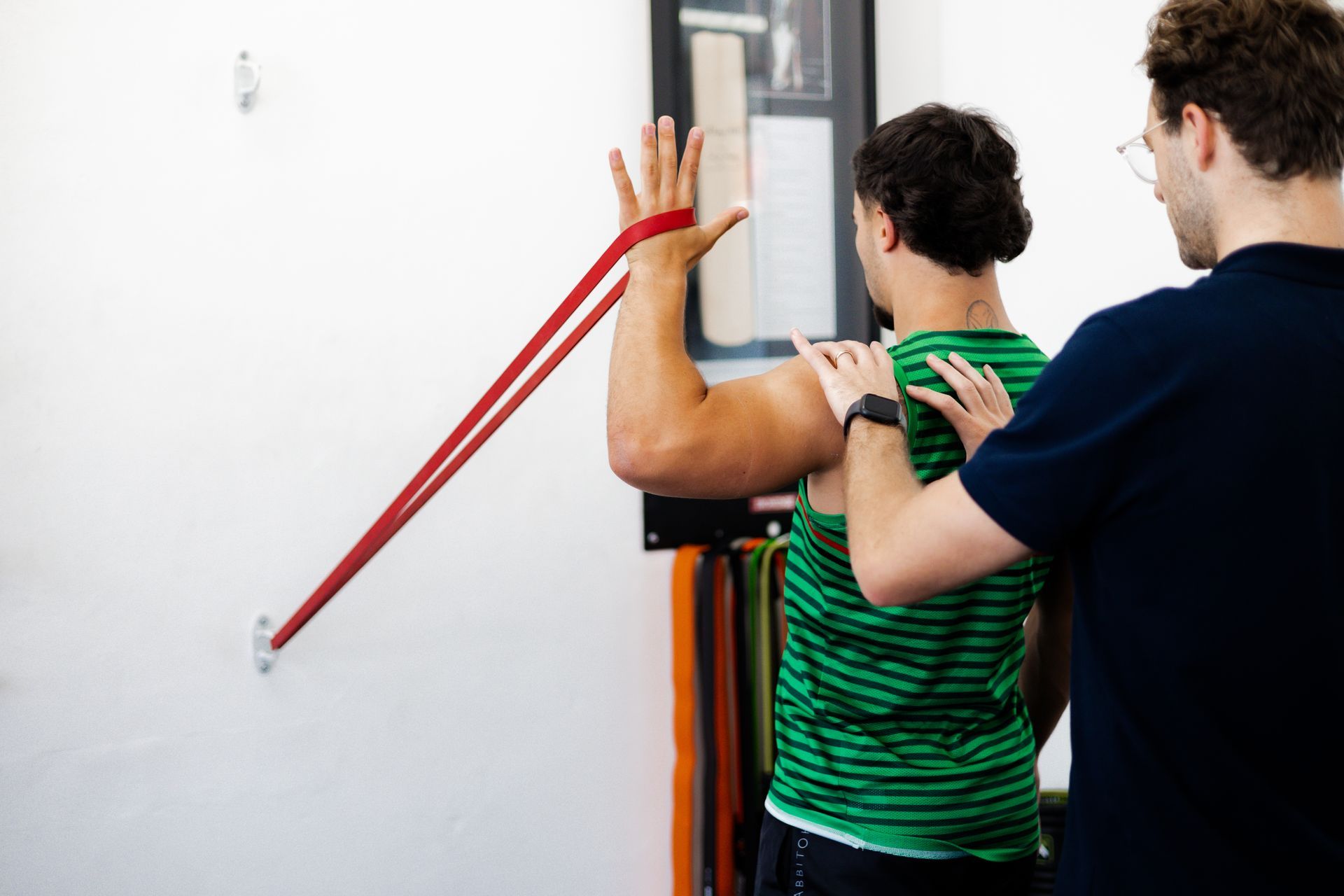
Man doing shoulder exercise with red resistance band, aided by an instructor.
By Eddie Farrah October 1, 2025
Learn effective strategies to reduce bone stress injuries. Optimize your training & nutrition. Contact us for expert guidance!
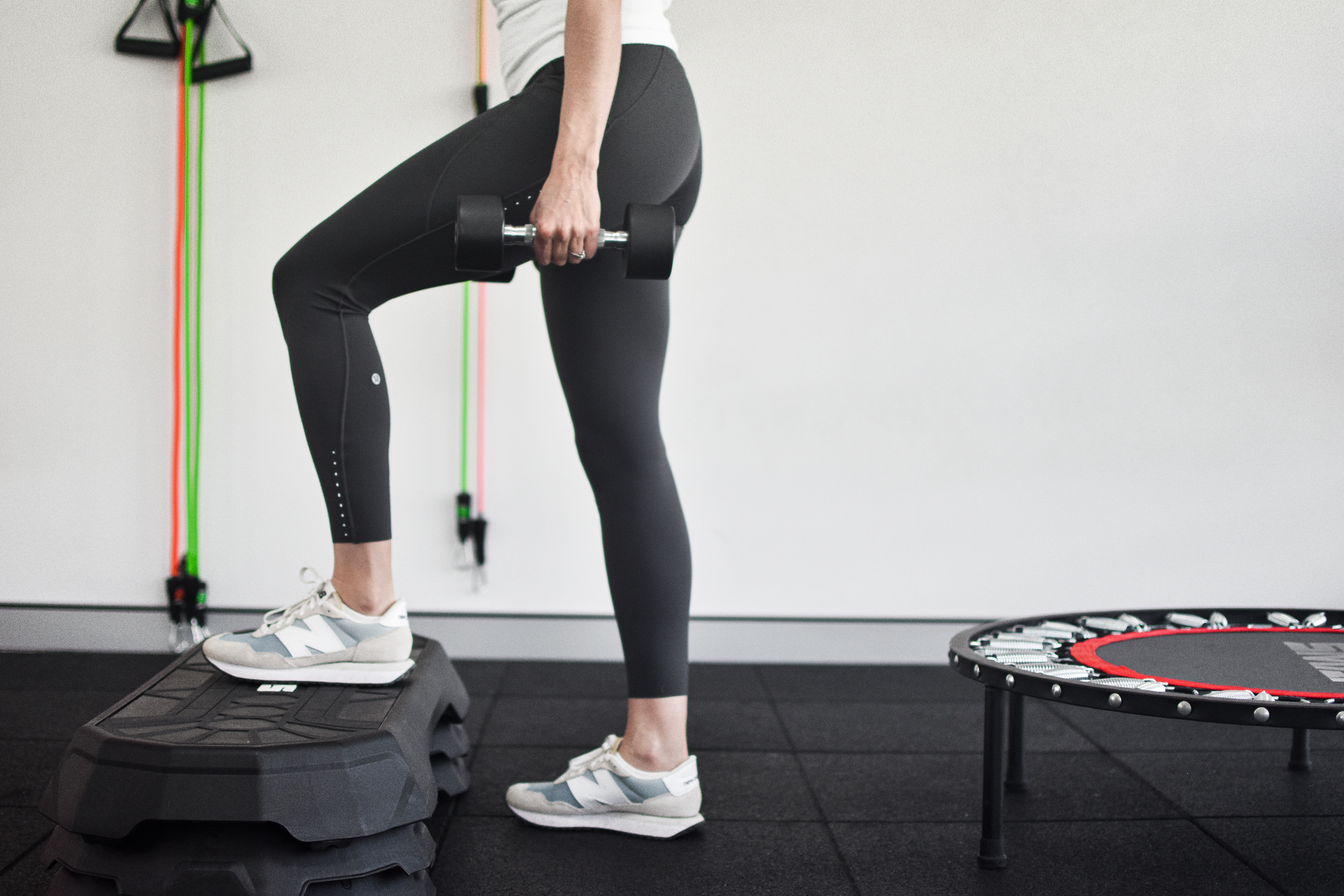
Woman doing step-up exercise with a dumbbell in a gym.
By Alexandria Physiotherapy and Sports Injury September 17, 2025
Explore evidence-based physiotherapy for knee osteoarthritis, including exercise and weight loss strategies. Contact us for effective pain management!
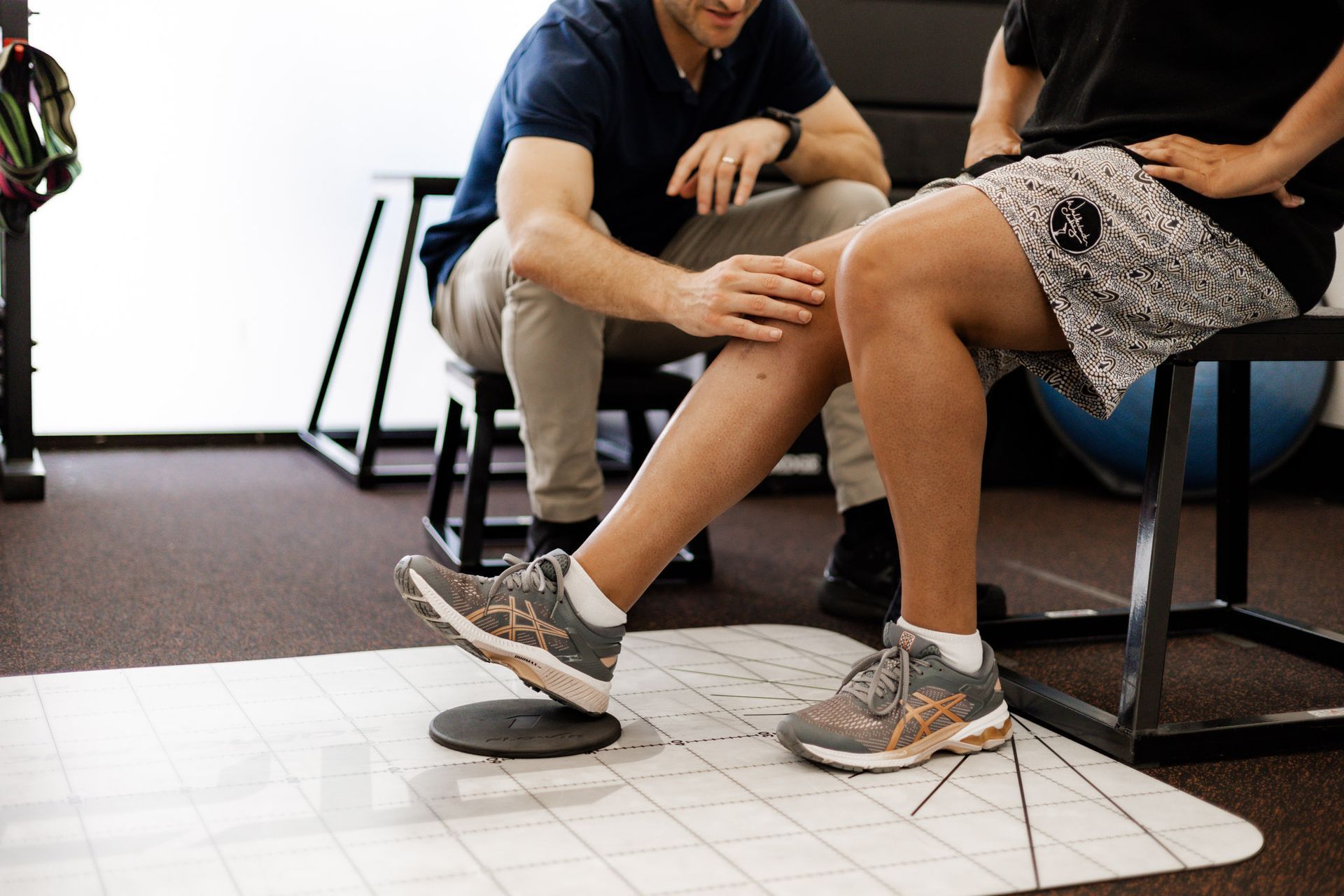
Therapist examines patient's knee while patient balances on a disc in a physical therapy setting.
By Alexandria Physiotherapy and Sports Injury September 17, 2025
Learn about the Cross Bracing Protocol for ACL injuries. Explore non-surgical options to enhance healing. Contact us for expert guidance.
Blurred image of a person running on asphalt with trees in the background.
By Alexandria Physiotherapy and Sports Injury September 17, 2025
Learn five effective methods to manage plantar fasciitis, including stretching, orthotics, and shockwave therapy. Contact us for help!
A group of people are stretching their legs in a park
By Alexandria Physiotherapy and Sports Injury August 3, 2023
In this blog we discuss the special considerations for hamstring rehabilitation at Alexandria Physiotherapy and Sports Injury
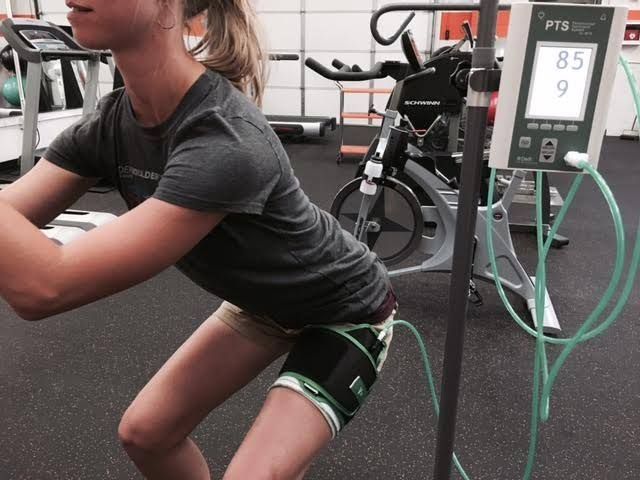
A woman squatting in front of a monitor that says 85 on it
By Alexandria Physiotherapy and Sports Injury July 11, 2023
Blood flow restriction training involves restricting the blood flow to muscles during exercise, resulting in hypoxia in muscle tissue - find out at Alexandria Physio
A man and a woman are sitting on the grass with their legs crossed.
By Alexandria Physiotherapy and Sports Injury June 4, 2023
Syndesmosis injuries, high ankle sprains, are a type of injury that occurs in the ankle joint - find out more at Alexandria Physiotherapy and Sports Injury
A man is stretching his legs on the side of a road.
By Alexandria Physiotherapy and Sports Injury February 17, 2023
Injuring your ACL can be overwhelming, often you will be deliberating whether or not to get surgery - find out more at Alexandria Physiotherapy.
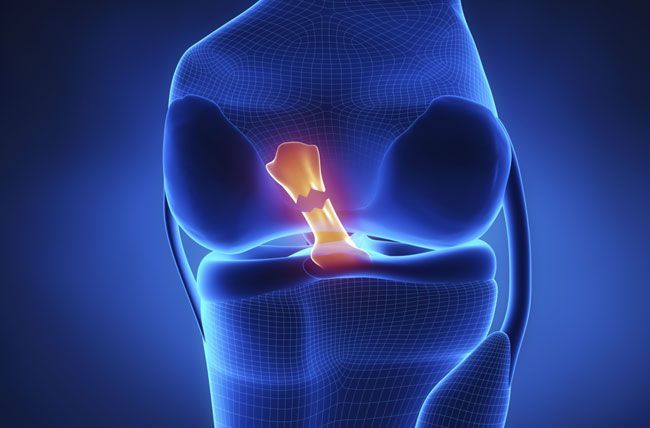
A computer generated image of a knee with a broken kneecap.
By Alexandria Physiotherapy and Sports Injury February 9, 2023
The Anterior Cruciate Ligament (ACL) is the most important stabilising structure within the knee joint - find out more at Alexandria Physiotherapy and Sports Injury
More Posts