



The Best Ways to Reduce the Risk of Developing Bone Stress Injuries
Best Ways to Reduce the Risk of Developing Bone Stress Injuries
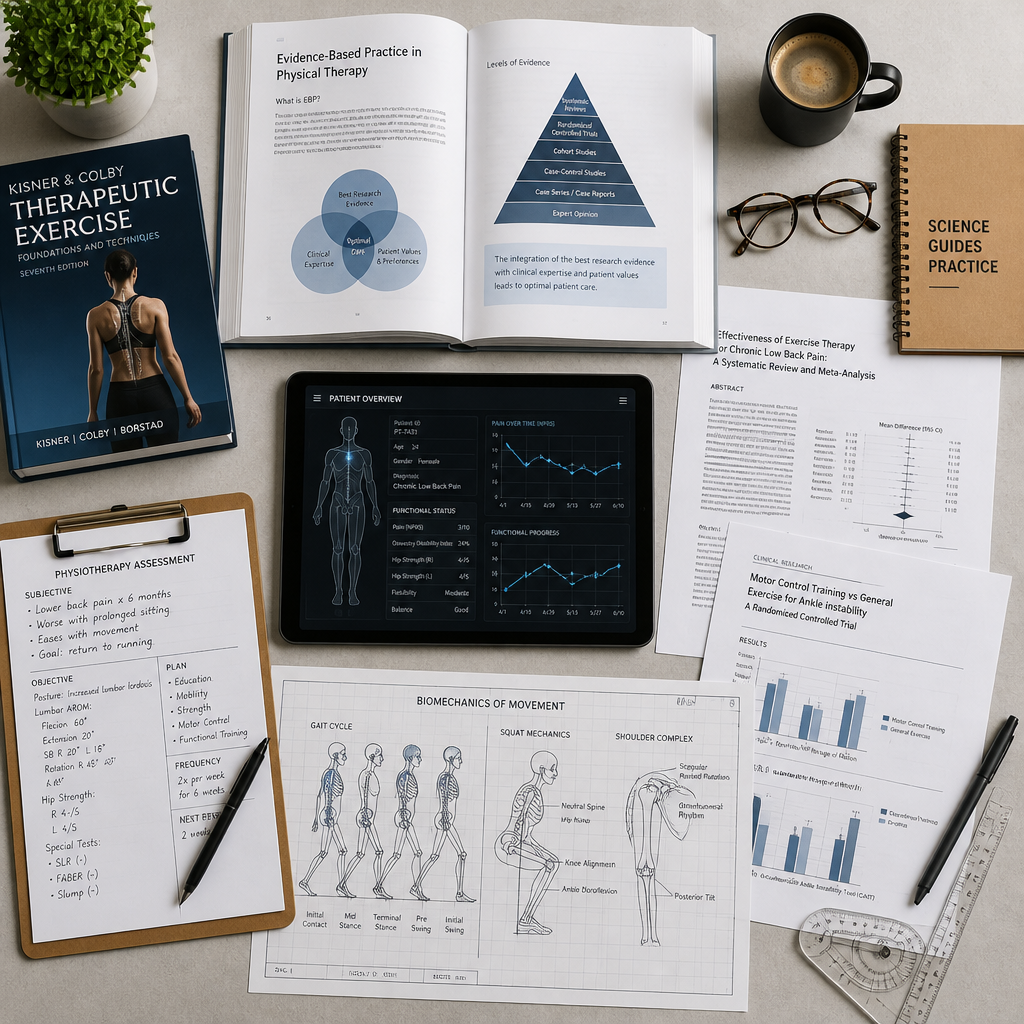
Bone stress injuries (BSIs), or stress fractures, are common overuse injuries that pose a significant challenge to athletes and active individuals. Preventing these injuries is paramount to maintaining performance and long-term musculoskeletal health. This blog post synthesises the latest high-quality evidence and systematic reviews to provide practical, evidence-based strategies to reduce the risk of BSIs.
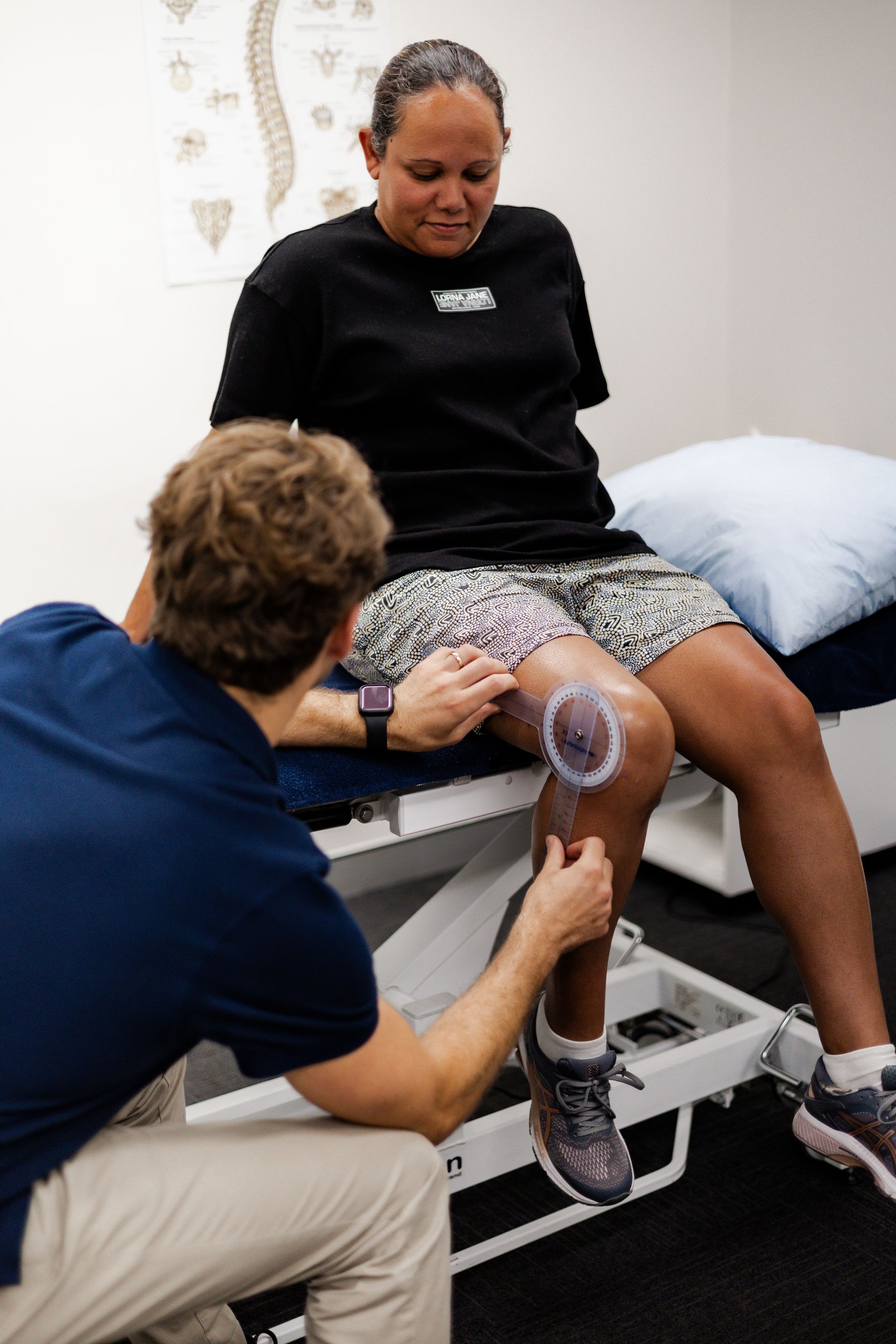
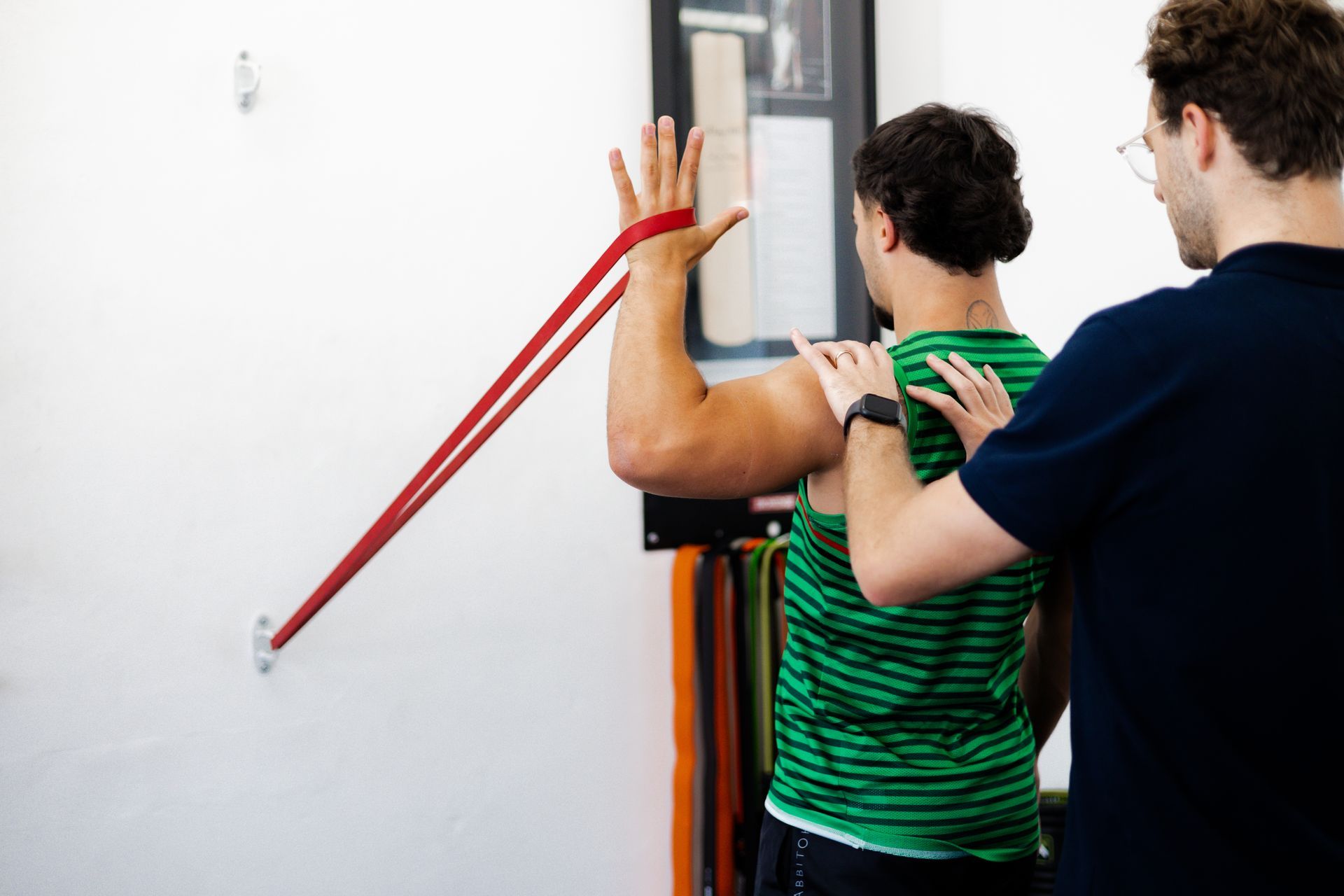
Our sports physios, massage therapists and dietitians see first-hand how bone stress injuries impact athletes at all levels. By combining careful load management, nutritional guidance, and strength training, an experienced physio can help reduce risk and keep athletes performing at their best.
Understanding Bone Stress Injury Risk
Before prevention, it’s important to remember that BSIs develop when repetitive mechanical loading outpaces the bone’s ability to repair and remodel.
Effective prevention targets both intrinsic and extrinsic risk factors. Many patients benefit from working with a sports physiotherapist who can identify these risks and tailor an injury prevention program.
1. Gradual and Structured Training Load Progression
One of the strongest modifiable risk factors is a rapid increase in training volume, intensity, or frequency.
- Evidence: Multiple cohort studies and meta-analyses confirm that increasing weekly mileage or training load by more than 10% substantially raises BSI risk.
- Practical approach: Employ the “10% rule” - do not increase running or training load by more than 10% per week.
- Periodisation: Incorporate rest weeks and taper phases to allow bone remodelling.
- Monitoring: Use wearable devices or training logs to track load and detect risky spikes.
Physiotherapists often guide training load progression to help athletes avoid overload while still improving fitness.
2. Optimise Nutrition and Energy Availability
Adequate nutrition is fundamental to bone health and injury prevention.
- Calcium and Vitamin D: Both are critical for bone mineralisation. Systematic reviews link vitamin D insufficiency to increased stress fracture rates.
- Energy availability: Maintaining sufficient caloric intake relative to expenditure prevents RED-S and supports hormonal balance.
- Protein: Adequate protein intake supports tissue repair and bone remodelling.
- Practical tips: Encourage balanced diets rich in dairy or fortified alternatives, leafy greens, and consider supplementation if deficiencies are identified.
At Alexandria Physio, our dietitian works alongside physiotherapists to ensure athletes fuel correctly for performance, recovery, and long-term bone health.
3. Correct Biomechanical and Anatomical Issues
Addressing biomechanical risk factors reduces localised bone stress.
- Gait analysis: Identifies abnormal loading patterns such as overpronation or excessive impact forces.
- Footwear: Select appropriate shoes based on foot type and activity demands. Replace worn-out footwear regularly.
- Orthotics: Custom or prefabricated orthoses can improve load distribution, especially in those with structural abnormalities.
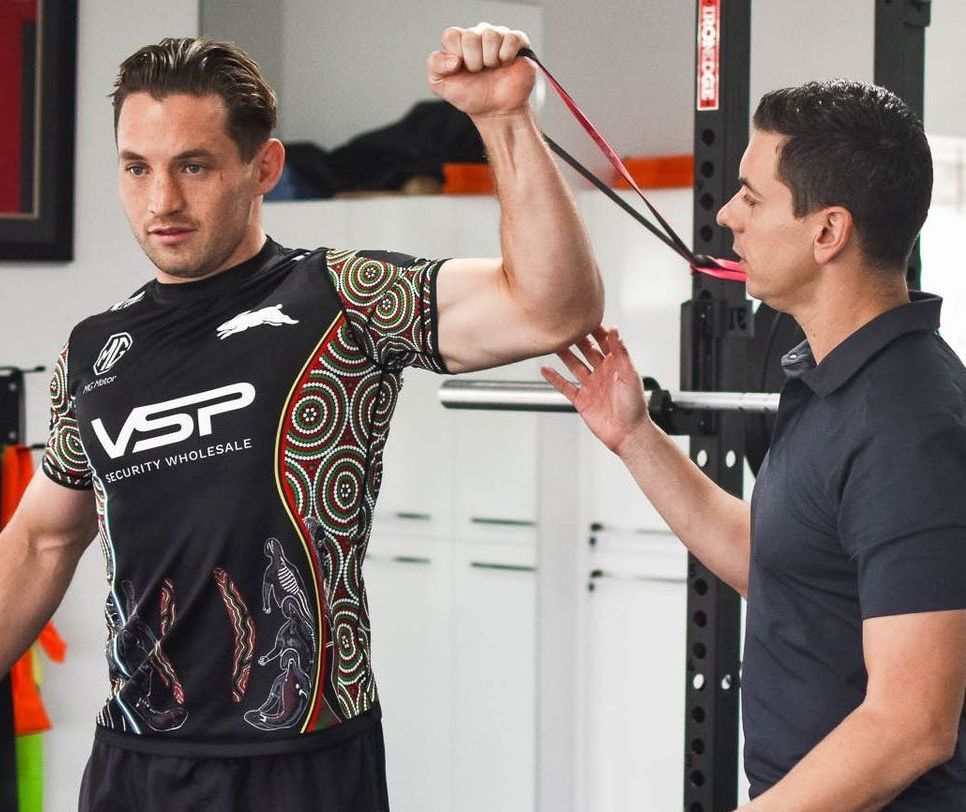
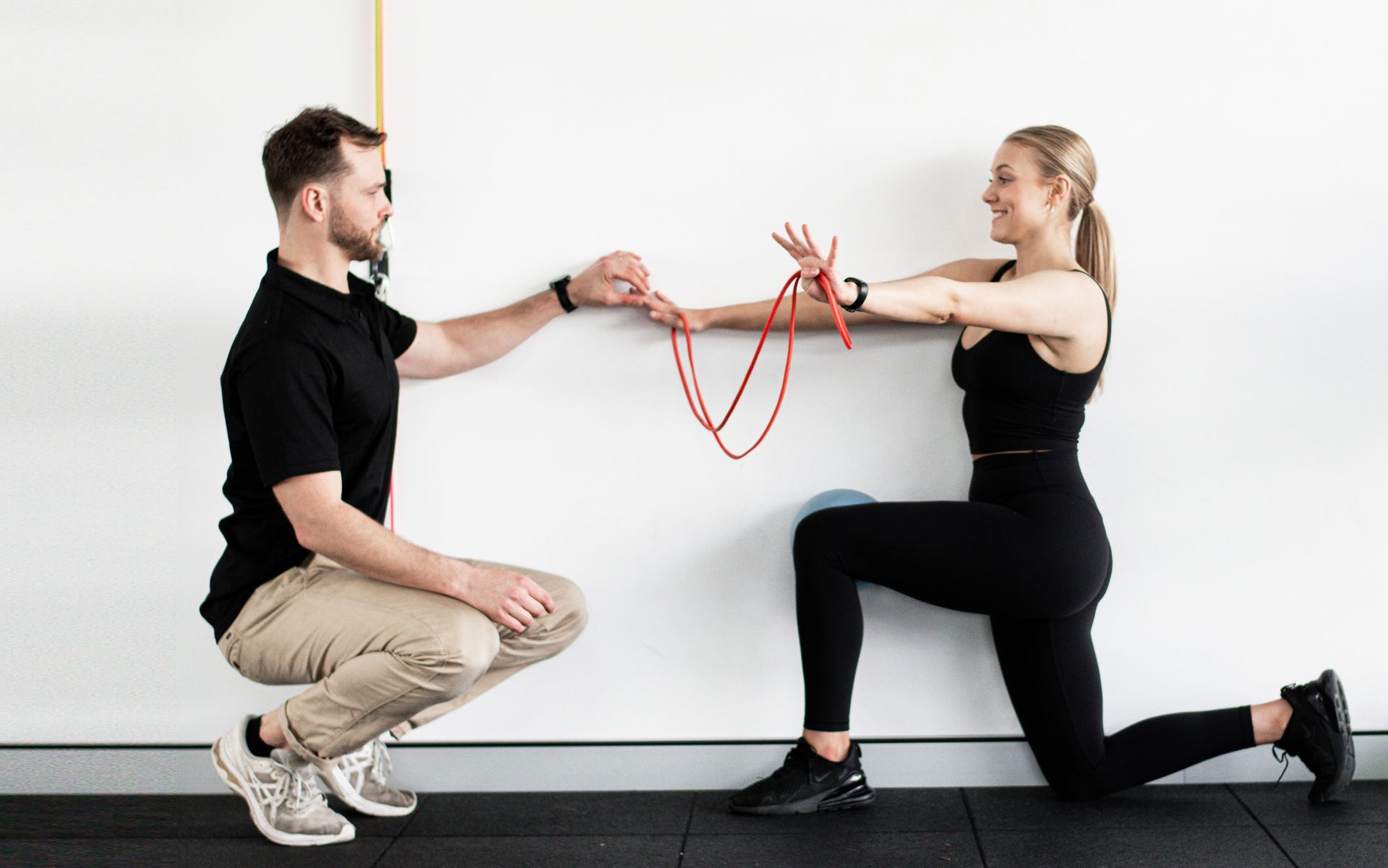
- Strength training: Target hip abductors, calf muscles, and foot intrinsic muscles to improve shock absorption and movement mechanics.
An experienced physiotherapist can assess movement patterns, provide tailored strengthening, and recommend orthotics where needed to reduce BSI risk
4. Incorporate Strength and Conditioning Programs
Beyond endurance and sport-specific training, strength conditioning plays a protective role.
- Muscle strength: Stronger muscles absorb impact forces, reducing bone loading.
- Balance and proprioception: Enhances neuromuscular control and reduces injury risk.
- Evidence: Recent RCTs show strength programs reduce stress injury incidence by improving movement quality.
- Program design: Include weight-bearing resistance exercises, plyometrics, and neuromuscular training progressively.
Athlete physiotherapy programs often combine strength training with mobility work to build resilience against bone stress injuries.
5. Ensure Adequate Recovery and Sleep
Bone remodelling occurs during rest periods; inadequate recovery delays repair.
- Sleep: Poor sleep quality or duration is associated with increased injury risk.
- Rest days: Schedule regular rest or low-impact activity days.
- Cross-training: Utilise low-impact activities like swimming or cycling to maintain fitness while reducing bone stress.
Recovery strategies are often guided by physiotherapy programs tailored to an athlete’s workload, ensuring balance between training and rest.
6. Manage Hormonal Health and Screening
Hormonal health is particularly important for female athletes, but relevant for all.
- Menstrual health: Monitor for irregularities; early intervention for amenorrhea is critical.
- Bone density testing: Consider in athletes with risk factors or recurrent BSIs.
- Referral: Collaborate with dietitians or medical professionals for RED-S or osteoporosis.
Our clinic offers both sports physio and dietetic support
(from our sister clinic in Redfern), helping athletes address underlying risk factors that influence bone health.

7. Environmental and Equipment Considerations
External factors also contribute to injury risk.
- Train on softer surfaces when possible, especially during high-intensity phases.
- Use shock-absorbing insoles or surface modifications for hard or uneven terrain.
- Be mindful of environmental factors such as temperature and altitude.
Preventing bone stress injuries requires a multifaceted approach targeting training practices, nutrition, biomechanics, and recovery.
At Alexandria Physio, our team of sports physiotherapists and dietitian from our sister clinic in Redfern, work together to provide evidence-based prevention and rehabilitation strategies. Through careful load management, nutritional optimisation, strength conditioning, and proactive screening, athletes can reduce their risk of injury and improve long-term performance.
Whether preparing for a marathon, returning from an overuse injury, or looking to prevent conditions such as Achilles heel pain or groin injuries, working with an expert physio ensures you can keep training, competing, and moving well.