



Lower Back Pain at Work: A Desk Worker's Guide
Lower back pain is not a minor inconvenience for Sydney's office workers. It is one of the most common reasons people book appointments for lower back pain physiotherapy in Sydney , and the numbers tell a clear story. Research consistently shows that one-year prevalence rates for lower back pain among office workers range from 31% to 51%, with many sufferers experiencing recurring episodes that compound over time. If you sit for the majority of your working day and your lower back aches by mid-afternoon, this is not a normal cost of doing a desk job. It is a clinical problem with specific, treatable causes, and this guide lays out exactly what you need to know to address it.
Table of Contents
- Why Desk Work Causes Lower Back Pain
- Quick Takeaways
- The Real Cost of Ignoring Desk-Related Back Pain
- Ergonomic Setup: What Actually Matters
- Exercises That Work for Office-Related Lower Back Pain
- When to See a Physiotherapist and What to Expect
- Comparing Treatment Approaches
- Frequently Asked Questions
Quick Takeaways
| Key Insight | Explanation |
|---|---|
| Prolonged static sitting is the primary driver | Staying in one position for extended periods increases compressive load on lumbar discs and fatigues the deep spinal stabilisers. Movement, not posture perfection, is the fix. |
| Posture is not the whole problem | There is no single "perfect" sitting posture. Research shows that keeping any posture for too long is more damaging than the posture itself. Regular position changes matter more than spine angle. |
| Core strength is not just about your abs | Effective lower back rehabilitation targets the deep stabilisers, including the multifidus and transverse abdominis, not just the superficial abdominal muscles. |
| A standing desk alone will not cure you | Simply swapping sitting for standing shifts the load but does not eliminate it. You need a combination of movement, load variation, and targeted exercise. |
| Early physiotherapy shortens recovery significantly | Waiting for back pain to "go away on its own" often extends the problem from weeks to months. Assessment and targeted treatment within the first two weeks delivers better outcomes. |
| Ergonomics and exercise must work together | Adjusting your workstation reduces aggravation but does not rebuild capacity. Clinical exercise is what corrects the underlying muscle imbalances. |
| Movement breaks are a clinical prescription | Research on sitting-reduction interventions shows that breaking up prolonged sitting reduces musculoskeletal pain. The target is a break from sustained sitting at least every 30 minutes. |
Why Desk Work Causes Lower Back Pain
The spine is built for movement. When you remove movement from the equation for six, eight, or ten hours a day, the structures that support your lower back start to fail in predictable ways. The lumbar discs lose their normal hydration cycle because they depend on movement to pump nutrients in and waste products out. The deep stabilising muscles, particularly the multifidus, switch off under prolonged static load. Hip flexors shorten and pull the pelvis into anterior tilt. None of this happens dramatically or suddenly, which is exactly why people miss the warning signs.
The problem for most desk workers is not that they are doing something acutely harmful. It is that they are doing the same mildly harmful thing for thousands of hours a year. That accumulation is what turns a manageable stiffness into a clinical case of lumbar dysfunction.
The Role of Sedentary Posture in Disc Loading
Sitting, particularly in a forward-flexed position, increases intradiscal pressure beyond what standing produces. When this is held for extended periods without relief, the posterior structures of the lumbar spine, including the facet joints and the annulus fibrosus of the intervertebral discs, are under consistent compressive and shear load. Over time this contributes to disc irritation, facet joint inflammation, and the kind of diffuse aching that desk workers describe as "that dull ache that never fully goes away."
Muscle Inhibition from Sitting Too Long
A less discussed but clinically significant issue is that prolonged sitting actively inhibits the muscles you need to protect your lower back. The gluteal muscles switch off when you sit on them for hours. The hip flexors adaptively shorten. The deep spinal stabilisers reduce their activity because the chair takes over the job of keeping you upright. When you finally stand, walk, or try to exercise, those muscles are not functioning at full capacity, which is why lower back injuries are so common during apparently low-risk activities like picking something up off the floor or reaching for an overhead shelf.


The Real Cost of Ignoring Desk-Related Back Pain
Musculoskeletal conditions, including lower back pain, are the leading cause of years lived with disability in Australia. For working-age Australians, back pain is not just a health issue. It directly affects productivity, concentration, sleep quality, and the ability to exercise, which creates a downward spiral where pain reduces activity and reduced activity makes pain worse.
The "push through it" approach is one of the most counterproductive things a desk professional can do. Pain that is ignored for weeks often becomes pain that requires months of treatment. The tissue changes that accompany chronic lower back pain, including altered movement patterns, reduced disc health, and neural sensitisation, are significantly harder to reverse than the acute presentation that could have been addressed in a few targeted sessions of physiotherapy.
The best time to address lower back pain is before it becomes chronic. The second best time is now. Waiting is not a neutral choice. It is a choice that makes the clinical picture more complex and recovery longer.
For athletes and active professionals, there is an additional cost. A lower back that is irritated by desk work will perform poorly during sport, training, or recreational activity. The compensatory movement patterns your body adopts to manage pain at a desk translate directly into poor mechanics during exercise, increasing injury risk across the board.
Ergonomic Setup: What Actually Matters
There is a lot of noise in the ergonomics space, and a significant amount of it is product-driven rather than evidence-driven. The core principles of a desk setup that reduces lower back load are straightforward, and most of them cost nothing to implement. For professionals in the Alexandria and Sydney area looking for practical back pain treatment , the first step is always a proper assessment of how your workstation is set up and how you are using it.
Chair and Seated Position
Your chair height should allow your feet to rest flat on the floor with your hips at roughly 90 to 100 degrees of flexion. The lumbar support should sit at the natural curve of your lower back, not at your mid-back. The back of the chair should be reclined slightly past 90 degrees, closer to 100 to 110 degrees, because a perfectly upright seated position actually increases lumbar disc pressure compared to a slight recline.
Most people set their chair incorrectly and then blame their back. The chair is rarely the primary problem. The primary problem is how long you stay in it without moving.
Screen, Keyboard, and Monitor Position
Your monitor should be at eye level so your neck is in a neutral position. Craning your neck forward or downward for hours shifts your head forward relative to your shoulders, which transfers load down the chain into your thoracic and lumbar spine. Your keyboard and mouse should be close enough that your elbows sit at roughly 90 degrees and your shoulders are not rounded forward or elevated.
Pro tip: If you work on a laptop without a separate monitor, invest in a laptop stand and an external keyboard. Laptop-only setups force a compromise between neck position and wrist position that no ergonomic adjustment can fully resolve.
Movement Breaks as a Clinical Priority
The single most evidence-supported ergonomic intervention is not a piece of equipment. It is breaking up prolonged sitting. Research on sitting-reduction interventions in desk-based workers demonstrates that reducing sustained sedentary time leads to measurable reductions in musculoskeletal pain. The practical target is to avoid sitting for more than 30 continuous minutes without a brief positional change, even if that change is simply standing at your desk for two minutes.
Pro tip: Set a recurring reminder on your phone or computer for every 25 to 30 minutes. Stand, walk to fill a glass of water, or do a few standing lumbar extensions at your desk. This is not a wellness suggestion. It is a clinical recommendation backed by the same research base that informs physiotherapy practice.
Exercises That Work for Office-Related Lower Back Pain
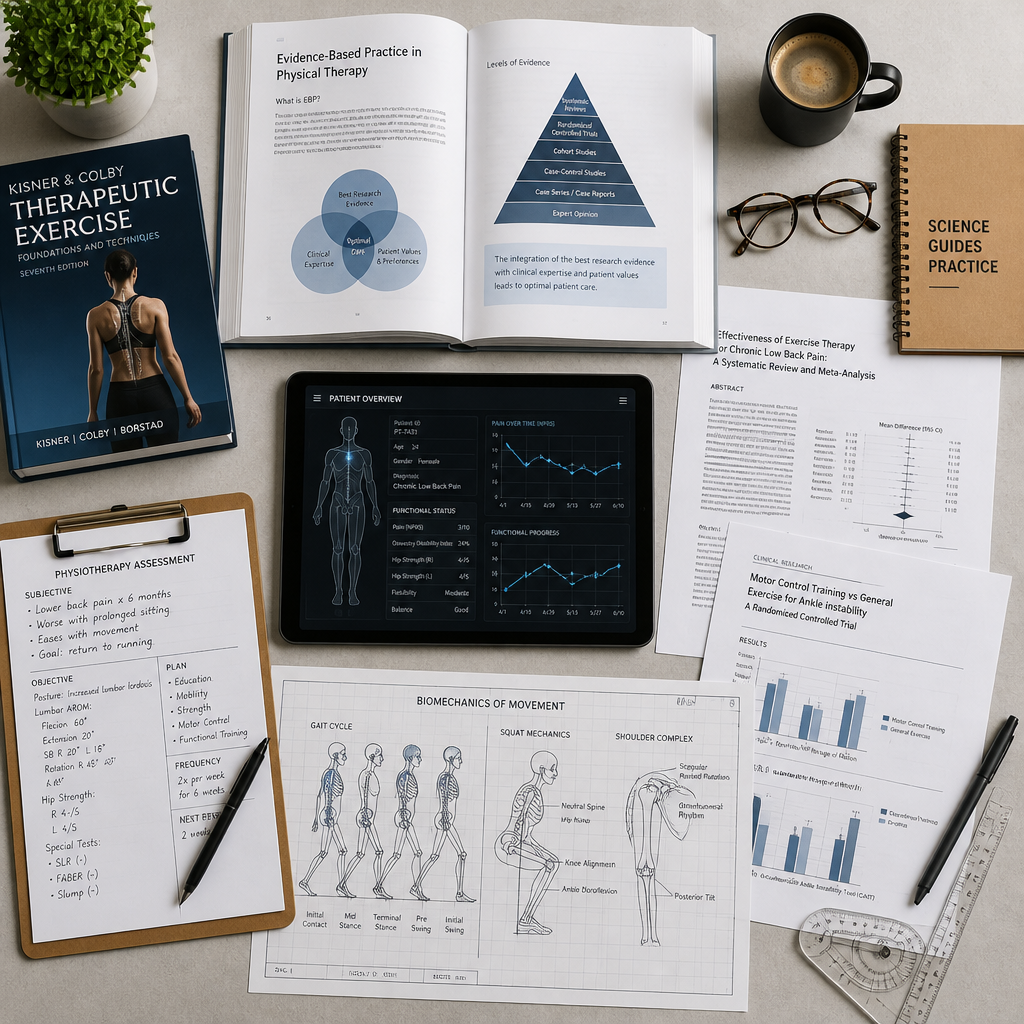
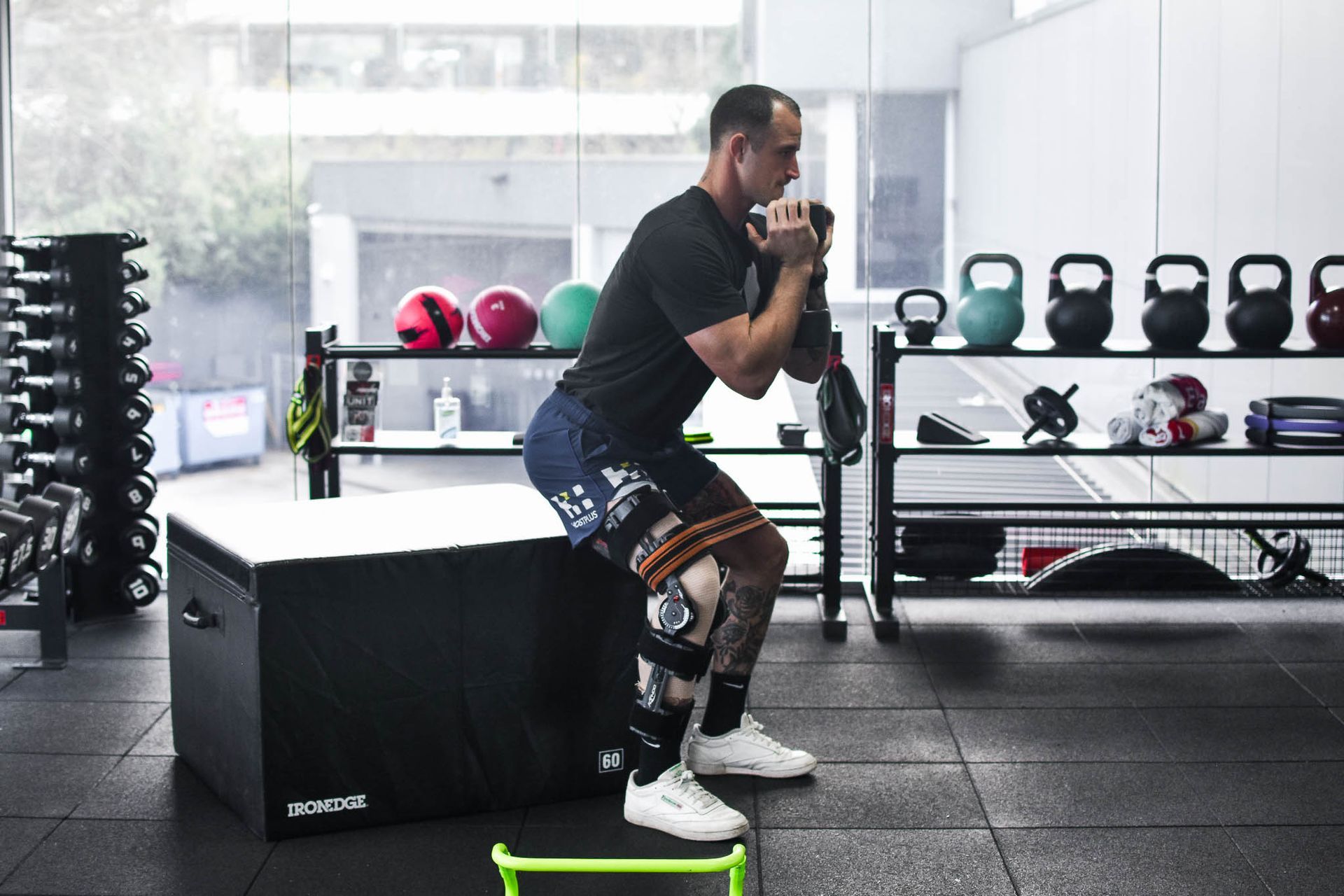
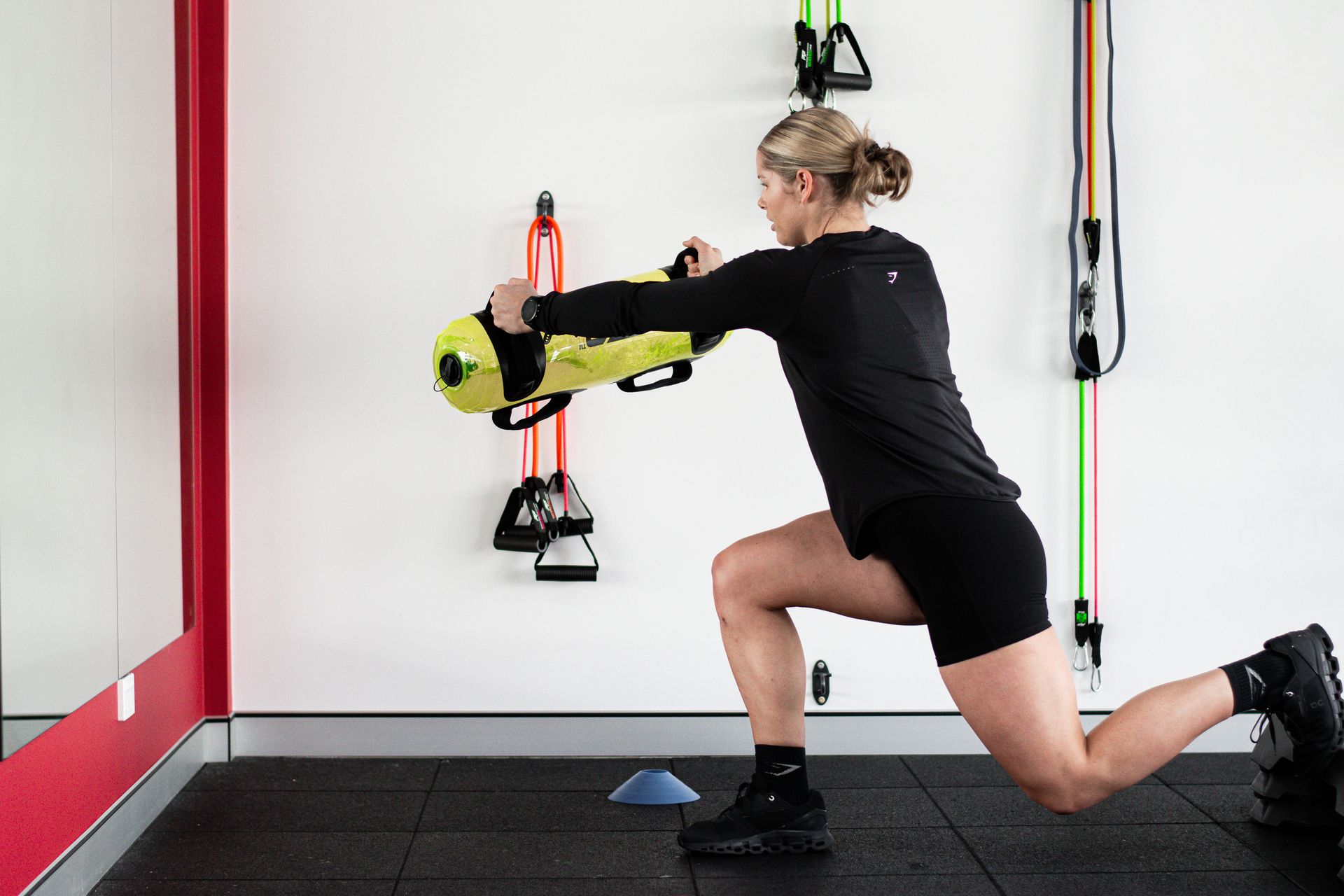
Exercise therapy is one of the most robustly supported interventions for lower back pain in office workers. A systematic review examining physical exercise programs for office workers found that structured exercise improved lower back pain symptoms while also producing improvements in flexibility, range of motion, and quality of life. The key word is "structured." Generic stretching without a clinical rationale is less effective than a targeted program designed around your specific presentation.
Deep Stabiliser Activation
The multifidus and transverse abdominis are the primary deep stabilisers of the lumbar spine. In people with chronic lower back pain, these muscles show measurable inhibition and atrophy even when superficial abdominal muscles appear strong. The classic "brace" style of core engagement used in gym settings does not specifically target these muscles. A physiotherapist will teach you how to activate them with precision, which is the foundation of any effective rehabilitation program.
Hip Flexor and Thoracic Mobility Work
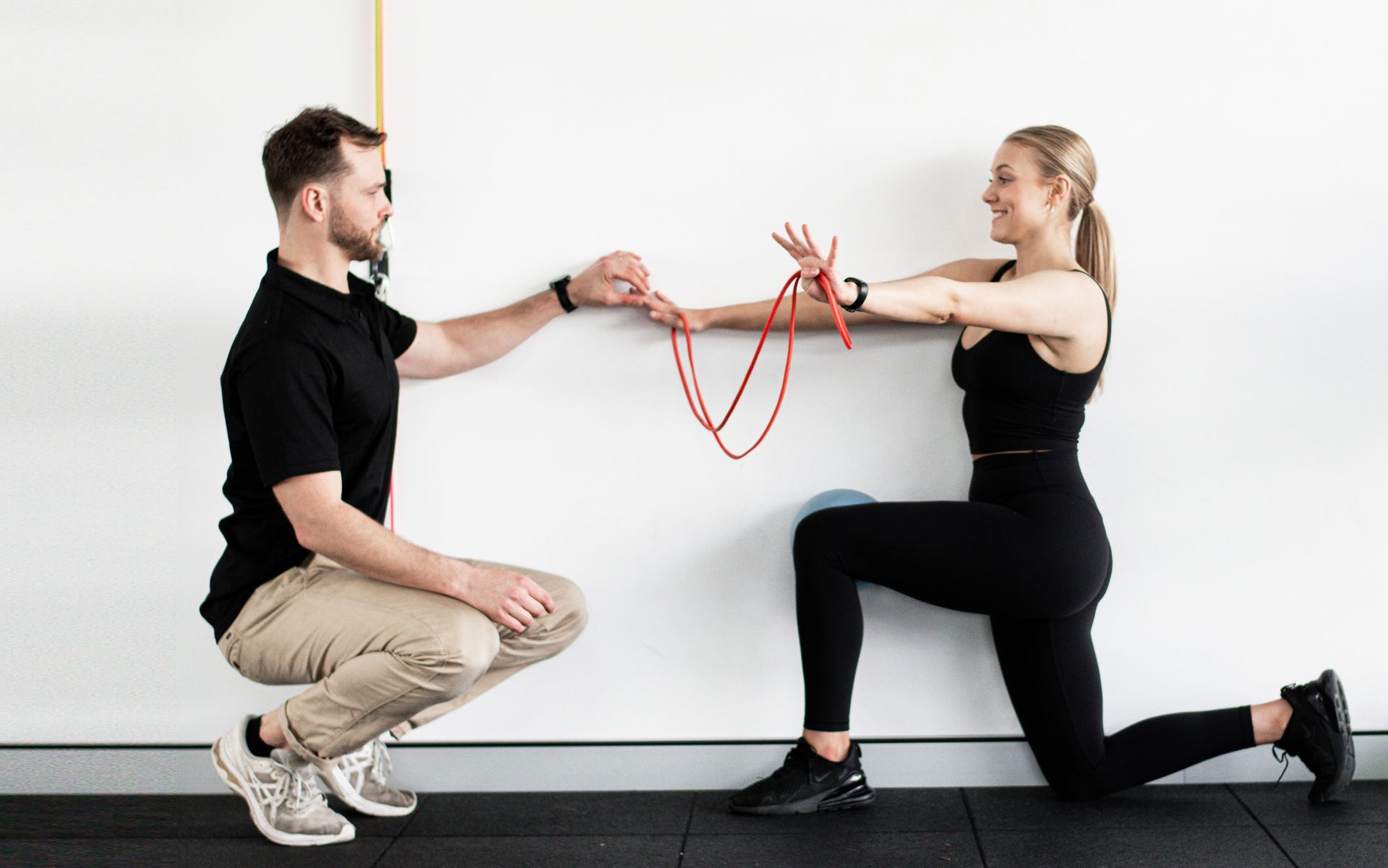
Tight hip flexors from prolonged sitting pull the pelvis forward into anterior tilt, which compresses the lumbar facet joints and increases the arch of the lower back. A half-kneeling hip flexor stretch held for 60 to 90 seconds, performed three to four times per day, meaningfully reduces this tension over time. Pairing this with thoracic rotation exercises helps redistribute spinal movement across more segments, reducing the concentration of load at the lumbar level.
Glute and Posterior Chain Loading
Bringing the gluteal muscles back online is a non-negotiable part of office worker rehabilitation. Glute bridges, single-leg deadlifts, and band-resisted clamshells are staples of any well-designed lower back program. They do more than strengthen the glutes. They restore the normal pattern of posterior chain muscle recruitment that prolonged sitting disrupts.

When to See a Physiotherapist and What to Expect
If your lower back pain has lasted more than two weeks, is getting progressively worse, is disrupting your sleep, or is radiating into your buttock or leg, book an appointment with a physiotherapist. These are not alarm bells, but they are signals that your body needs more than a self-directed exercise routine.
For athletes, the threshold should be lower still. A lower back that is irritated during desk work and is then loaded during sport or training is at higher risk of a more significant injury. Seeing a physio proactively, before the pain becomes severe, is simply good performance management.
What Happens in a Physiotherapy Assessment
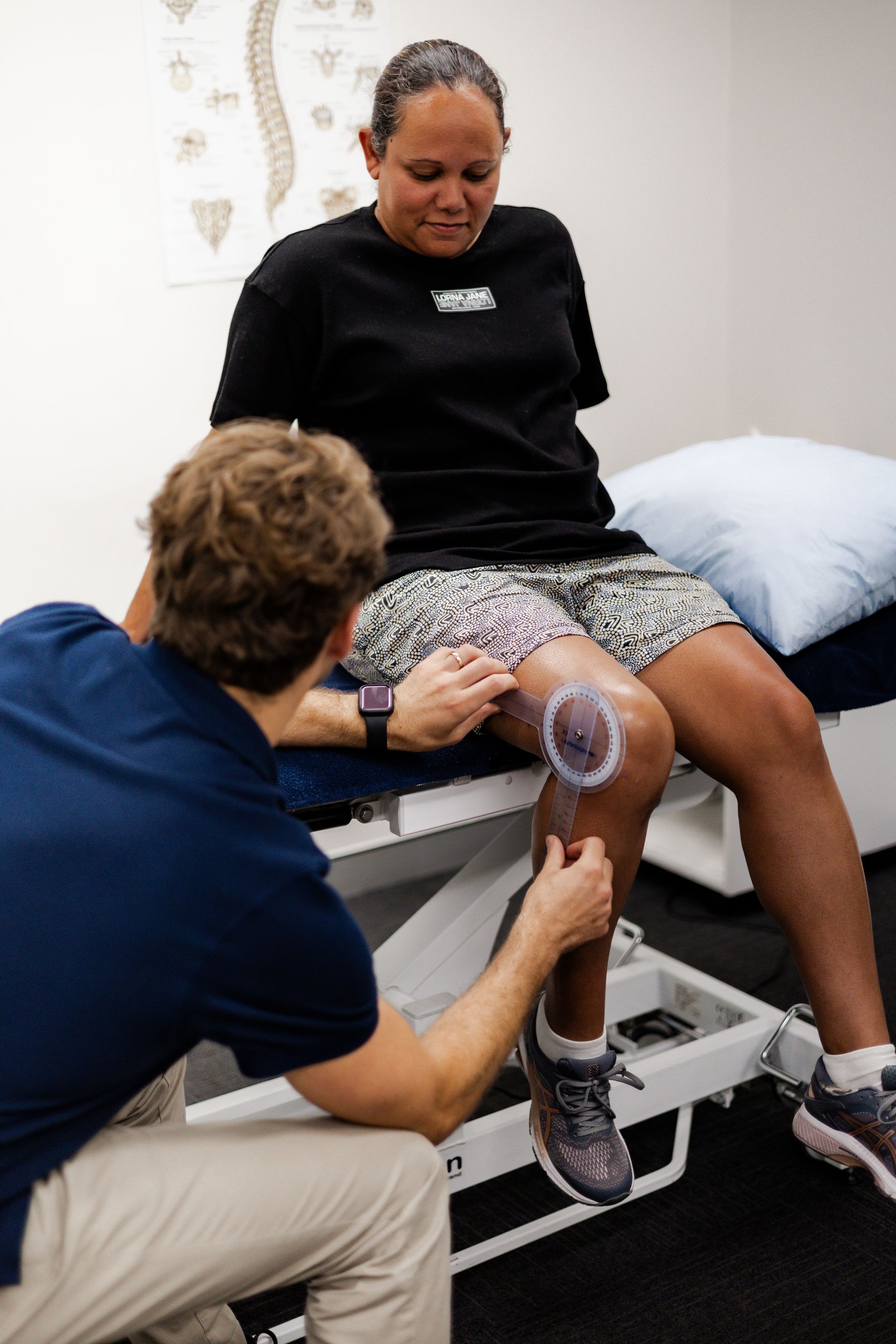
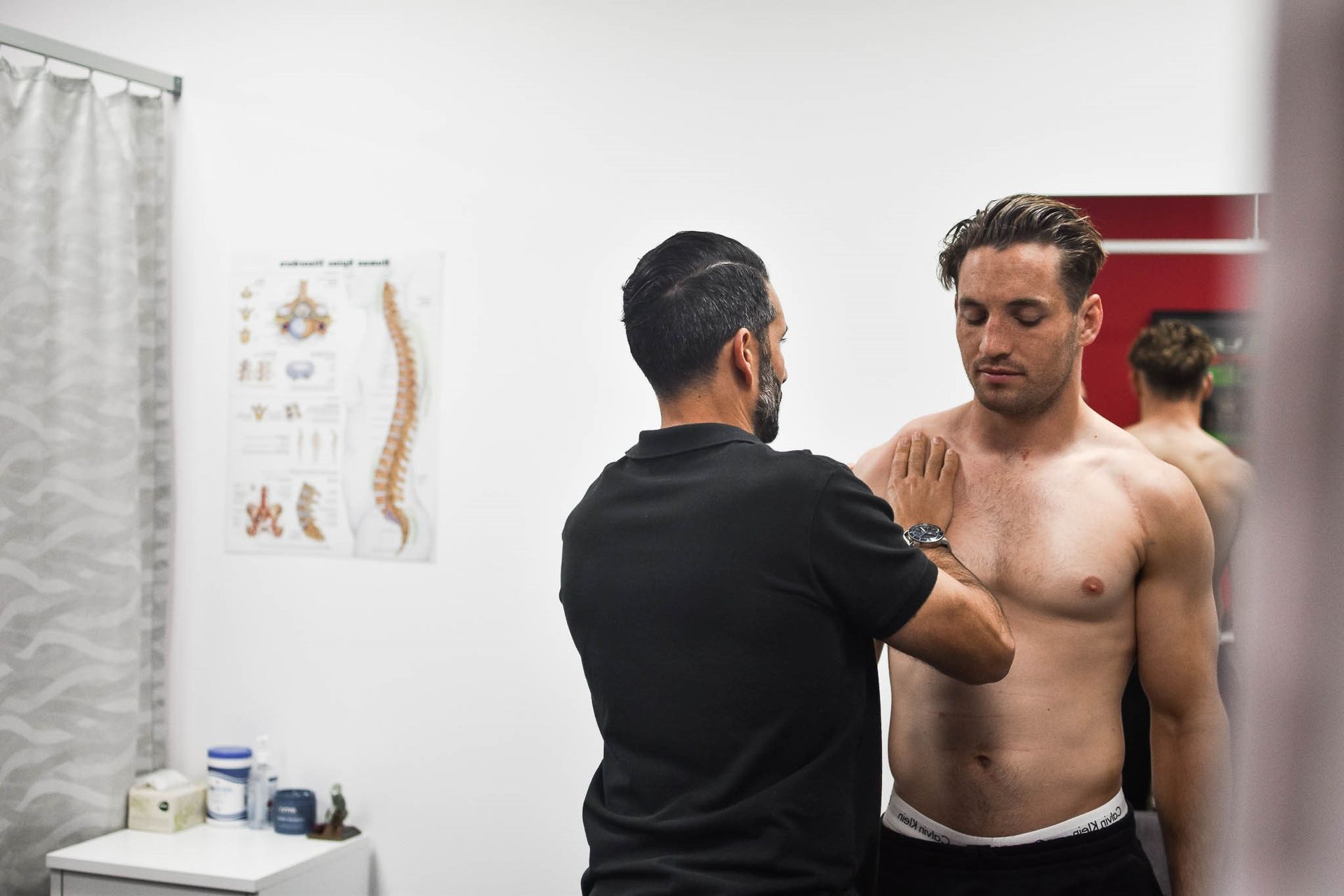
A thorough assessment for desk-related lower back pain includes a detailed history of your work habits, movement analysis, postural assessment, strength and flexibility testing of the key muscle groups, and a neurological screen to rule out nerve involvement. From that, a specific diagnosis is made. Not "back pain" as a generic label, but a precise understanding of which structures are involved and why.
At Alexandria Physiotherapy and Sports Injury Clinic, assessment goes beyond the symptomatic area. Because we work with athletes and physically active professionals, we understand that lower back pain rarely exists in isolation. Hip mechanics, thoracic mobility, and foot and ankle function all influence how load is distributed through the lumbar spine, and a comprehensive assessment captures that full picture.
Evidence-Based Treatment Techniques
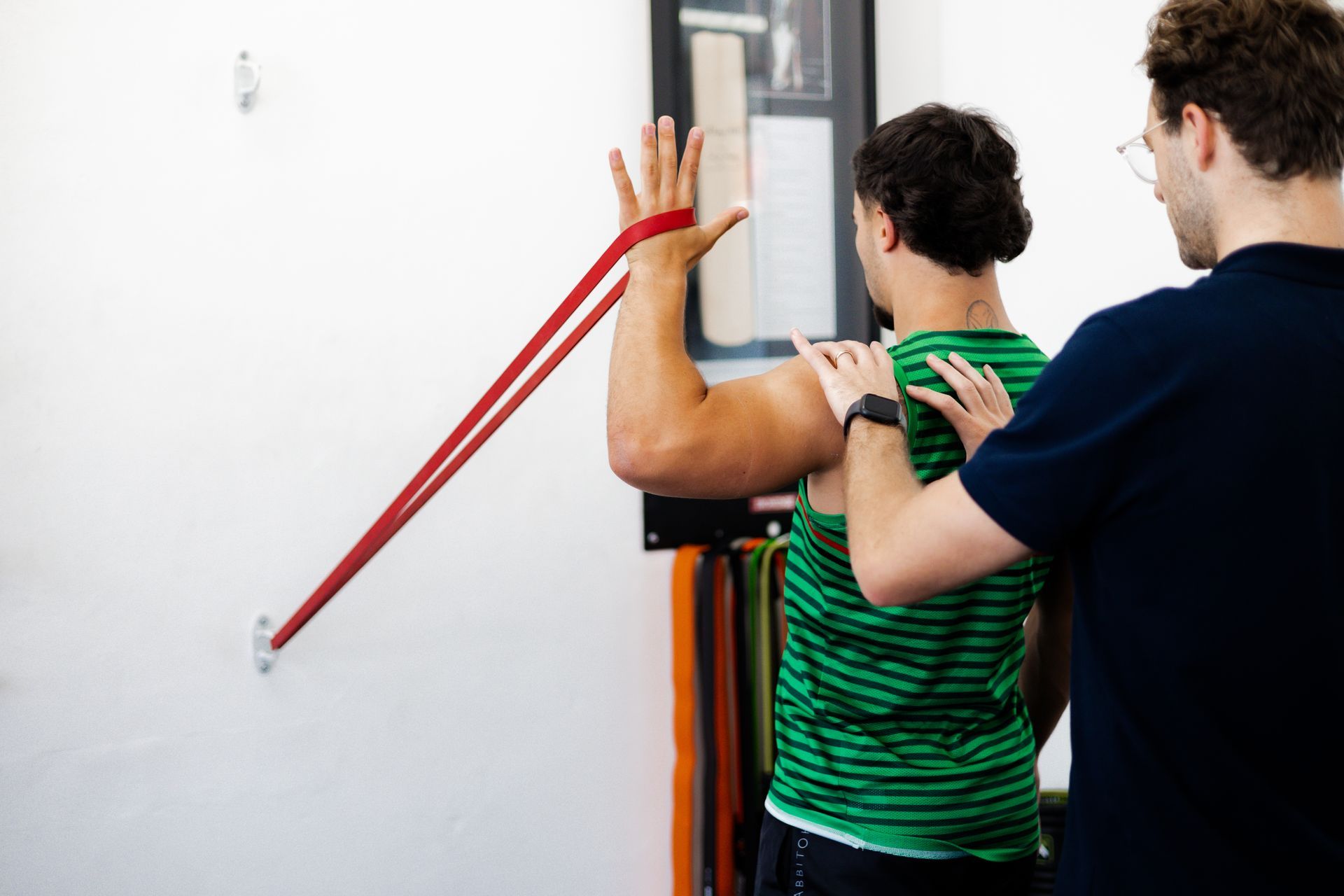
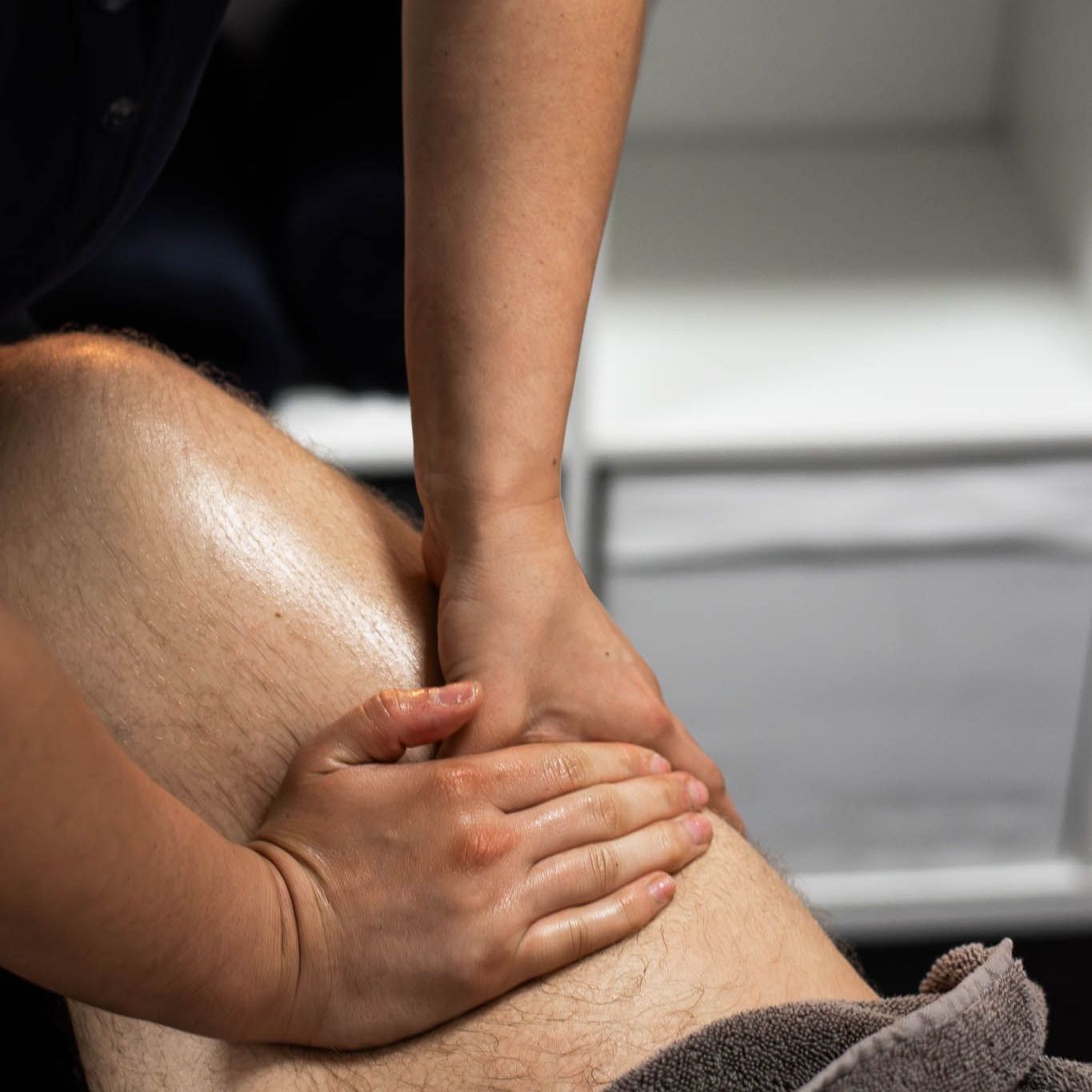
Physiotherapy interventions for lower back pain that have strong clinical evidence behind them include manual therapy (joint mobilisation and manipulation), targeted exercise therapy, soft tissue techniques including massage therapy, and education around posture and movement. Research comparing these interventions consistently shows that combining manual therapy with exercise therapy produces better outcomes than either approach alone. The best physiotherapy is never one-dimensional.
For persistent or chronic lower back pain, a structured rehabilitation program that progresses over weeks is the standard of care. Expecting resolution in a single session is unrealistic. Expecting meaningful improvement within four to six focused sessions is entirely reasonable for most presentations.
Comparing Treatment Approaches
Not all approaches to desk-related lower back pain deliver the same results. Here is how the three most common strategies compare across the dimensions that matter most for working professionals.
| Approach | What It Addresses | Limitations |
|---|---|---|
| Ergonomic adjustment only (new chair, standing desk, monitor riser) | Reduces aggravating posture and workstation load; can prevent worsening of mild symptoms | Does not rebuild muscle capacity, correct movement patterns, or treat existing tissue dysfunction. Symptoms return when load increases (travel, gym, sport). |
| Generic exercise (gym or YouTube-based) | Improves general fitness and can reduce pain through increased activity; low cost and accessible | Not targeted to the specific structures involved. High risk of aggravating symptoms if load progression is incorrect. No clinical diagnosis guiding the program. |
| Evidence-based physiotherapy with exercise prescription | Addresses root cause through diagnosis, manual therapy, specific exercise prescription, and progressive loading. Targets deep stabilisers and posterior chain specifically. | Requires time investment and a quality clinician. Results depend on adherence to the home program. Not a passive fix. |
The comparison above makes the clinical case clearly. Ergonomic upgrades and generic fitness both have a role, but neither delivers what targeted physiotherapy does. For desk workers whose lower back pain is interfering with their work output, their sport, or their general quality of life, the physiotherapy-led approach is the most efficient path to a durable outcome.
Frequently Asked Questions
How long does it take for office worker lower back pain to resolve with physiotherapy?
Most desk workers with non-complicated lower back pain see significant improvement within four to six weeks of consistent physiotherapy. This assumes active participation in the home exercise program and the ergonomic adjustments recommended in session. Chronic presentations, where pain has been present for more than three months, typically require a longer program of eight to twelve weeks. The sooner you start, the shorter the timeline.
Is it safe to keep working at my desk while getting treatment for lower back pain?
In the vast majority of cases, yes. Continuing to work while managing lower back pain with physiotherapy is appropriate and recommended. Your physiotherapist will advise you on workstation modifications, movement strategies, and any activities to temporarily avoid. Stopping work entirely is rarely indicated and can actually slow recovery by reducing activity levels and increasing anxiety around movement.
What is the difference between an office worker physio appointment and a standard back pain appointment?
A good physiotherapist approaches desk-related back pain with a full understanding of the postural demands, sitting mechanics, and muscle inhibition patterns specific to sedentary work. This means the assessment includes how you sit, how you move between tasks, and the ergonomic context of your workstation, not just the location of your pain. At Alexandria Physiotherapy and Sports Injury Clinic, this is standard practice because we understand the specific demands of professional and workplace-based lifestyles.
Should I get a standing desk to help my lower back pain?
A height-adjustable desk can be a useful tool if you already have the right exercise foundation in place. By itself, a standing desk shifts the load from sitting to standing but does not eliminate it. Many people who switch to a standing desk without guidance end up with foot, knee, or hip pain from standing too long with poor posture. The evidence supports alternating between sitting and standing, with movement breaks, rather than treating standing as the complete solution.
Can massage therapy help with lower back pain from desk work?
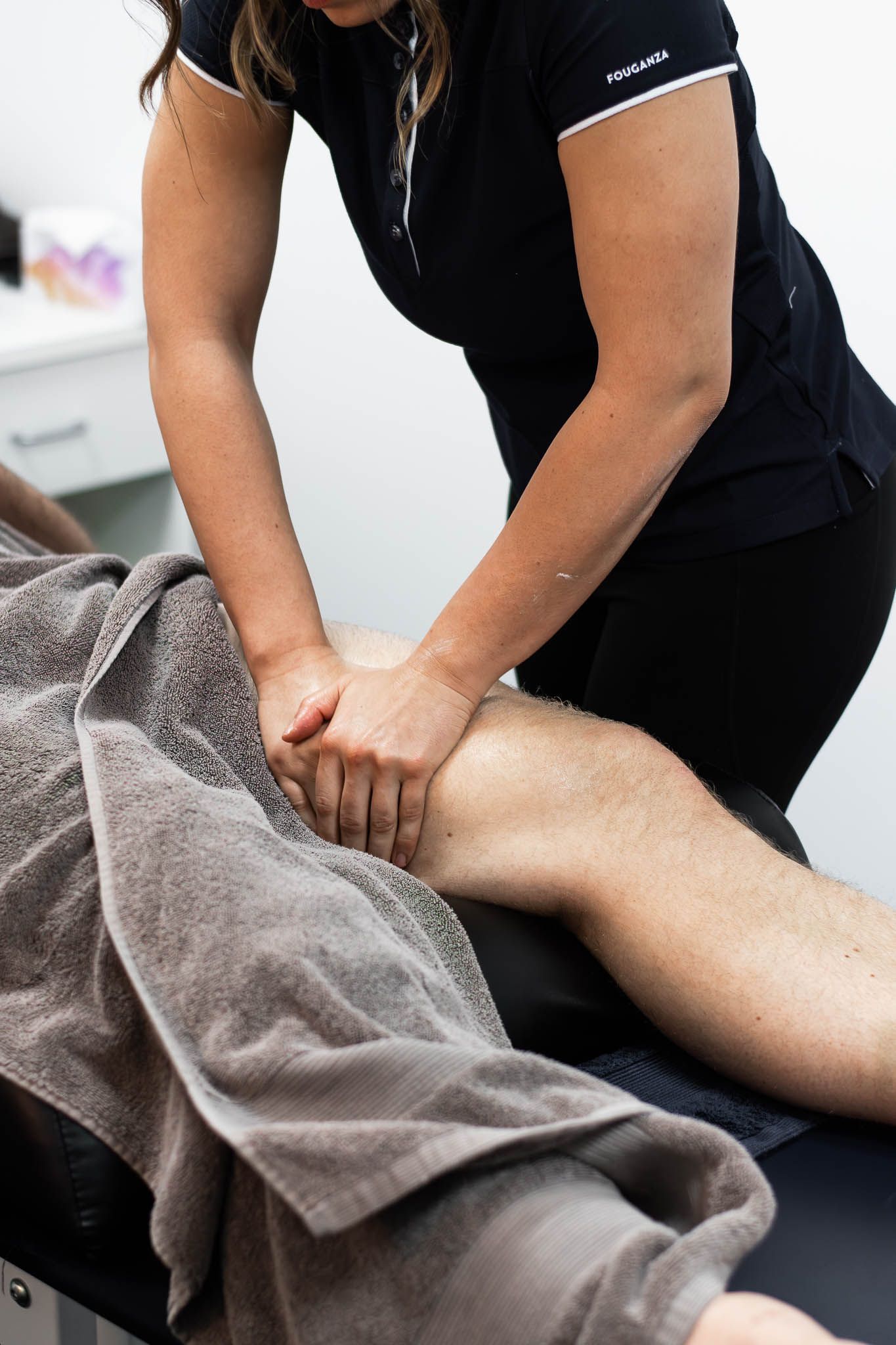
Yes, particularly for reducing muscle tension in the paraspinal muscles, quadratus lumborum, and hip flexor group, which are commonly overloaded in desk workers. Massage is most effective as part of a broader treatment plan that includes exercise and postural strategies. Used in isolation, the relief is temporary. Combined with targeted rehabilitation, it supports the tissue changes that make recovery durable. Alexandria Physiotherapy offers remedial massage therapy as an integrated part of back pain treatment programs.
What exercises should I avoid if I have lower back pain at a desk job?
Avoid heavy loaded spinal flexion exercises, such as traditional sit-ups and weighted forward bends, during an acute flare-up. These increase intradiscal pressure and can aggravate already sensitised structures. Also avoid exercises that require significant spinal rotation under load until your deep stabilisers are functioning adequately. Your physiotherapist will guide you through what is appropriate at each stage of your recovery, which changes as your capacity improves.
If you have experienced desk-related back pain and found a particular approach that worked for you, or if you are currently working through your recovery and have questions, we would love to hear your experience in the comments or via our contact page.
References
- Research on musculoskeletal pain changes in desk-based workers following a sitting-reduction intervention
- Systematic review of physical exercise programs and lower back pain outcomes in office workers
- Physiopedia clinical overview of sitting ergonomics and the impact on lower back pain
- Comprehensive review of physiotherapy strategies for alleviating lower back pain
- National prevalence and disease burden data for musculoskeletal conditions including lower back pain in Australia