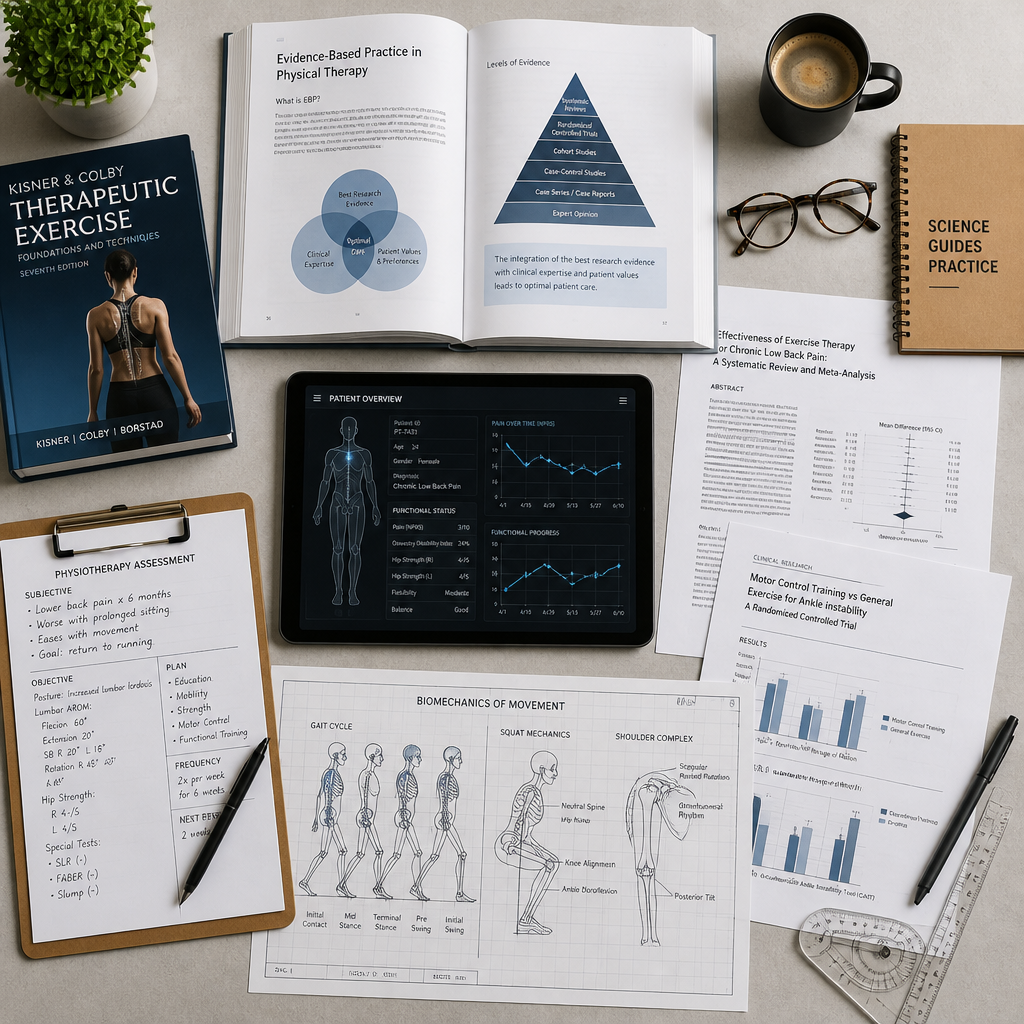


5 Sports Injury Recovery Mistakes to Avoid
Most sports injuries do not fail to heal because the body lacks the ability to repair tissue. They fail to heal properly because of decisions made in the days, weeks, and months after the initial injury. Sports injury recovery mistakes are incredibly common, and the frustrating part is that most of them feel like the right call at the time. Pushing through pain feels tough. Skipping a physiotherapy appointment when you feel better feels sensible. Returning to training the moment the swelling drops feels like progress. Every one of those decisions can set your recovery back by weeks or cause a repeat injury that is far worse than the original. This guide breaks down the five most damaging mistakes, why they happen, and exactly how to correct them.
Table of Contents
- Quick Takeaways
- Mistake 1: Returning to Sport Before You Are Actually Ready
- Mistake 2: Treating Pain Disappearance as the Finish Line
- Mistake 3: Relying on Rest Alone and Skipping Active Rehabilitation
- Mistake 4: Focusing Only on the Injured Site
- Mistake 5: Self-Treating Based on Generic Online Advice
- Recovery Approach Comparison
- Frequently Asked Questions
Quick Takeaways
| Key Insight | Explanation |
|---|---|
| Pain-free does not mean healed | Pain is an alarm system, not a progress report. Tissue repair continues long after symptoms settle. |
| Returning too soon multiplies re-injury risk | Young athletes who returned to sport before nine months post-ACL reconstruction had a re-injury rate seven times higher than those who waited. |
| Complete rest is rarely the right prescription | Early, controlled movement promotes blood flow and tissue rebuilding. Immobility slows healing and causes secondary muscle loss. |
| The whole kinetic chain needs attention | Injuries affect the entire body. Knee injuries require hip and ankle work; shoulder injuries require thoracic spine and scapular retraining. |
| Generic online programs are not rehabilitation | A YouTube exercise routine cannot account for your biomechanical history, compensatory patterns, or injury severity. |
| Stopping physio early is a false economy | Feeling better is the point where the most important work begins. Dropping out early leaves structural deficits that guarantee future problems. |
| Readiness is measured, not felt | Return-to-sport decisions should be based on objective strength thresholds, hop tests, and neuromuscular control, not how you feel on a given morning. |
Mistake 1: Returning to Sport Before You Are Actually Ready
This is the most damaging mistake on the list, and it is the most common one seen in a clinical setting. An athlete feels good, training is missed, and the competitive instinct overrides caution. The result is a repeat injury that is usually worse than the first, with a longer, harder recovery the second time around.
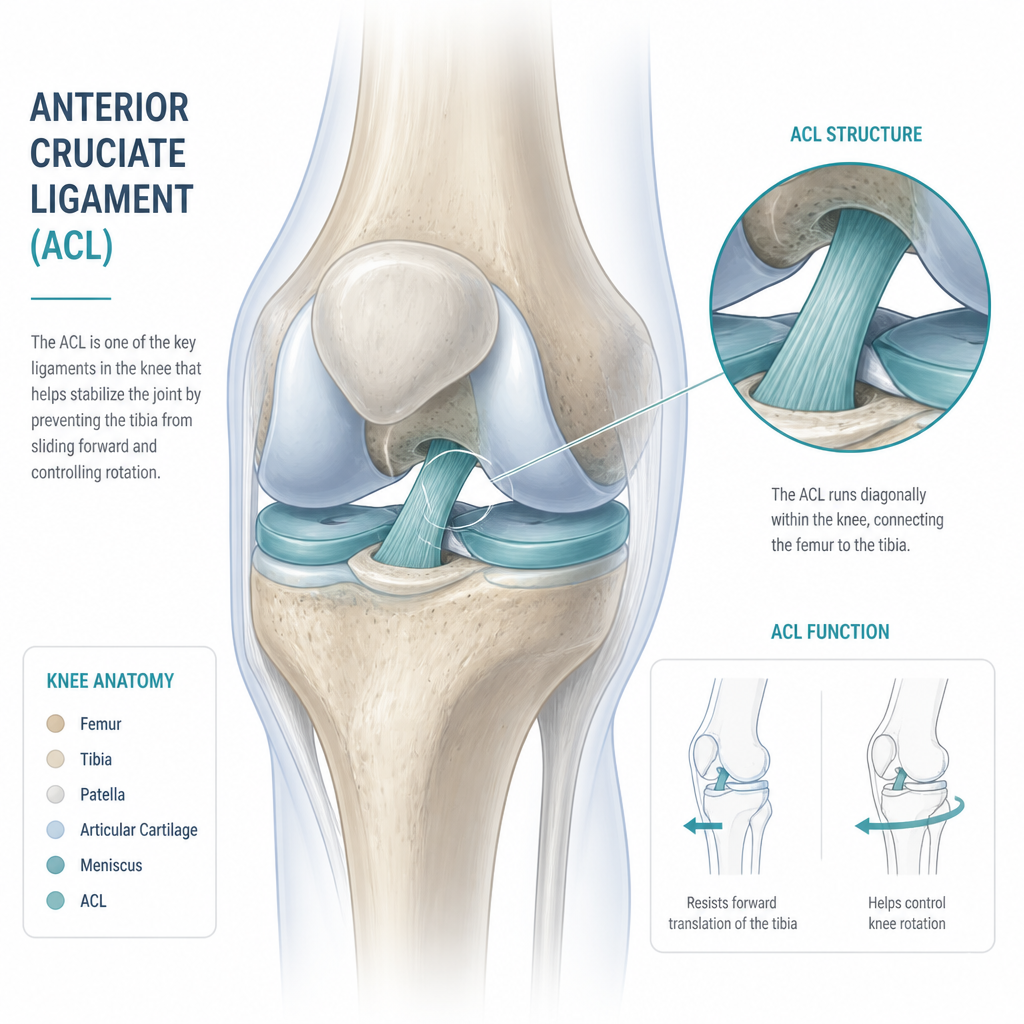
A research study published in the Journal of Orthopaedic and Sports Physical Therapy found that young athletes who returned to sport before nine months after ACL reconstruction had a rate of new injury seven times higher than those who delayed their return. That is not a marginal risk increase. It is a category-defining number that should inform how every post-surgical athlete thinks about their timeline.
"Time alone does not determine readiness. Meeting specific physical benchmarks does." This is the clinical standard that every structured return-to-sport program should be built around.
What "Ready" Actually Means
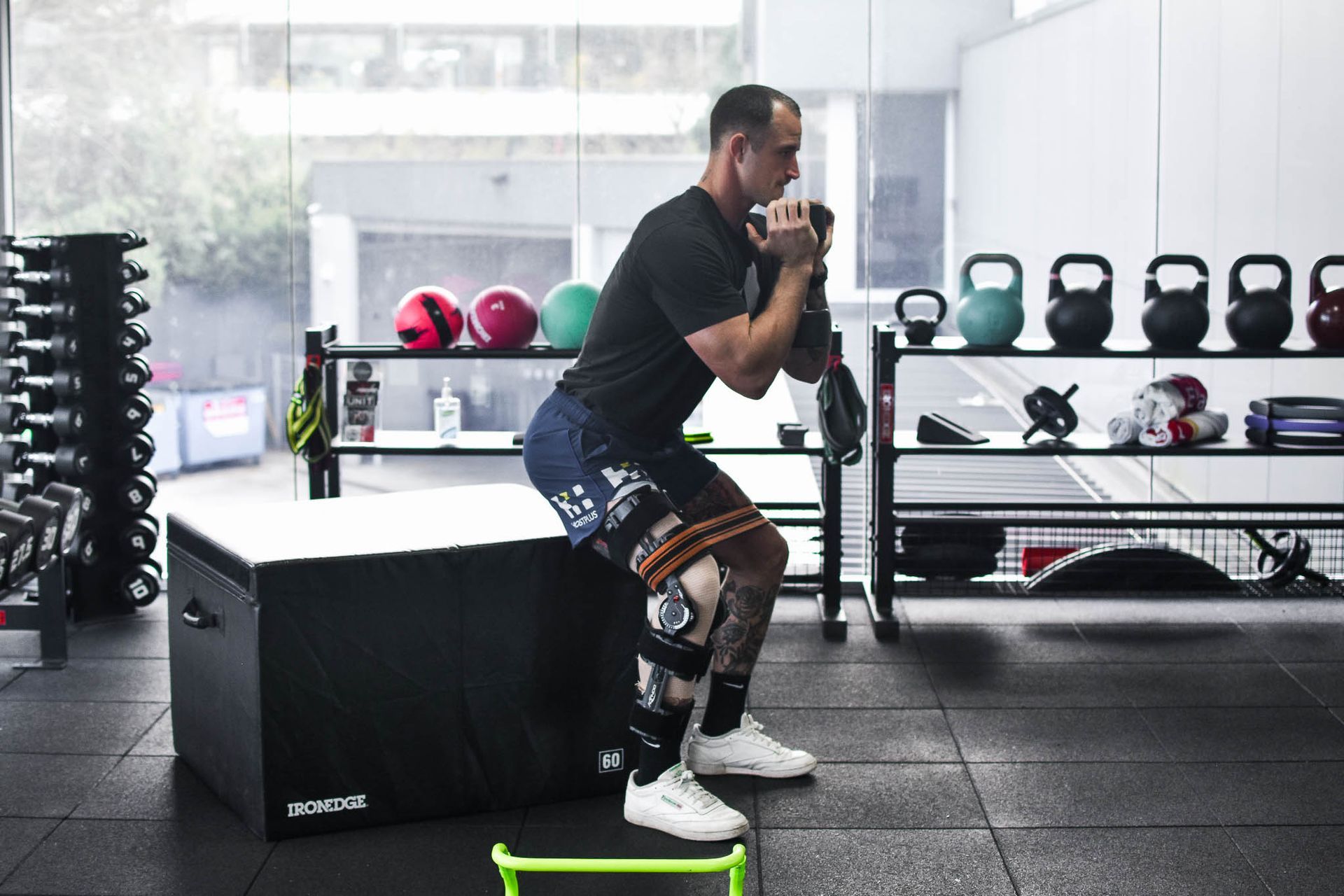
Return-to-activity readiness is assessed through objective functional criteria, not pain scores alone. These typically include achieving specific strength thresholds in the injured limb relative to the uninjured side, demonstrating adequate proprioception and neuromuscular control under progressive loading, and completing sport-specific movement patterns at appropriate intensity without compensatory mechanics.
At a clinic like Alexandria Physiotherapy and Sports Injury, return-to-sport assessments are structured and data-driven, not based on how an athlete feels on a particular morning. Your physiotherapist should be tracking measurable benchmarks at every stage, not just asking whether the pain has settled.
Pro tip:
Pro tip: Ask your physiotherapist specifically what functional tests you need to pass before returning to full training. If the answer is vague, push for specific numbers, such as limb symmetry index targets on hop testing or strength ratios between injured and uninjured sides.


Mistake 2: Treating Pain Disappearance as the Finish Line
Pain is the most visible signal the body has, so it is understandable that most people use it as their primary guide for how recovery is progressing. The problem is that pain typically resolves before structural tissue repair is complete. Pain returns because the tissue has become quieter, but not stronger. The ligament, tendon, or muscle that no longer aches is not necessarily a ligament, tendon, or muscle that has been restored to full capacity.
This mistake is particularly common with soft tissue injuries. An ankle sprain may stop hurting after a few days of reduced loading. A hamstring strain may feel fine on the walk to training. A shoulder rotator cuff issue may settle enough to allow overhead movement without noticeable pain. None of these scenarios mean the tissue is ready to absorb sport-specific loads.
The Biology Behind the Misconception
Tissue healing occurs in phases: an inflammatory phase, a proliferative (repair) phase, and a remodelling phase. Pain typically diminishes during the proliferative phase, but the remodelling phase, during which new tissue develops the tensile strength and organisation needed to handle load, continues for weeks or months after symptoms resolve. Resuming heavy loading during remodelling is exactly how partial tears become full ones.
The absence of pain does not mean the body is ready to return to competition or normal training. Before resuming activity, several criteria must be met for each patient: full mobility, similar strength to the uninjured side, safety in sports movements, and absence of pain. Pain-free is one criterion, not the only one.
Mistake 3: Relying on Rest Alone and Skipping Active Rehabilitation
Rest has a legitimate role in the very early acute phase of most injuries. Beyond that, it is one of the most counterproductive things you can do. The standard advice of "ice it, rest it, and see how it goes in a week" delays tissue repair and accelerates muscle loss in ways that compound throughout recovery.
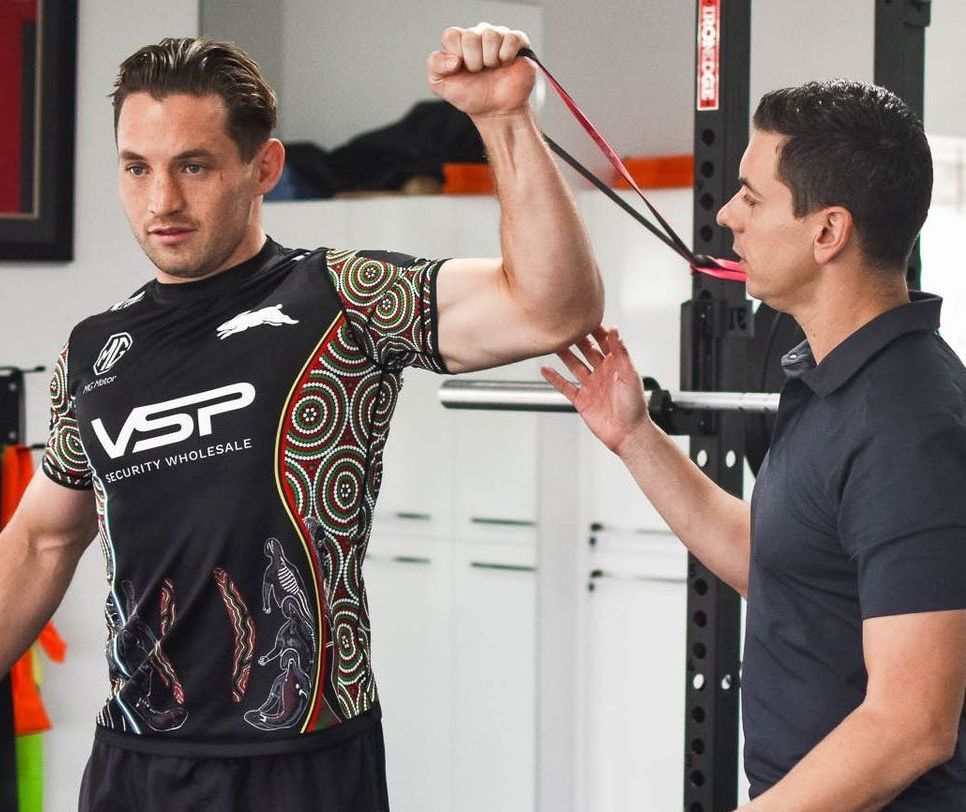
Complete rest is out, smart movement is in. Studies show that gentle motion, introduced early, helps clear swelling and gets tissues rebuilding. For ankle sprains, athletes who started controlled exercises within the first week bounced back quicker than those who stuck with full rest.
The Problem With the Old RICE Model
The RICE protocol (Rest, Ice, Compression, Elevation) was the standard recommendation for soft tissue injuries for decades. More recently, updated frameworks in sports medicine have shifted toward guided early movement. There has been some recent debate about the RICE method for musculoskeletal injuries. Healthcare providers still recommend it for the acute phase, but with caveats, and newer protocols suggest introducing gentle movement and progressive exercise as healing progresses.
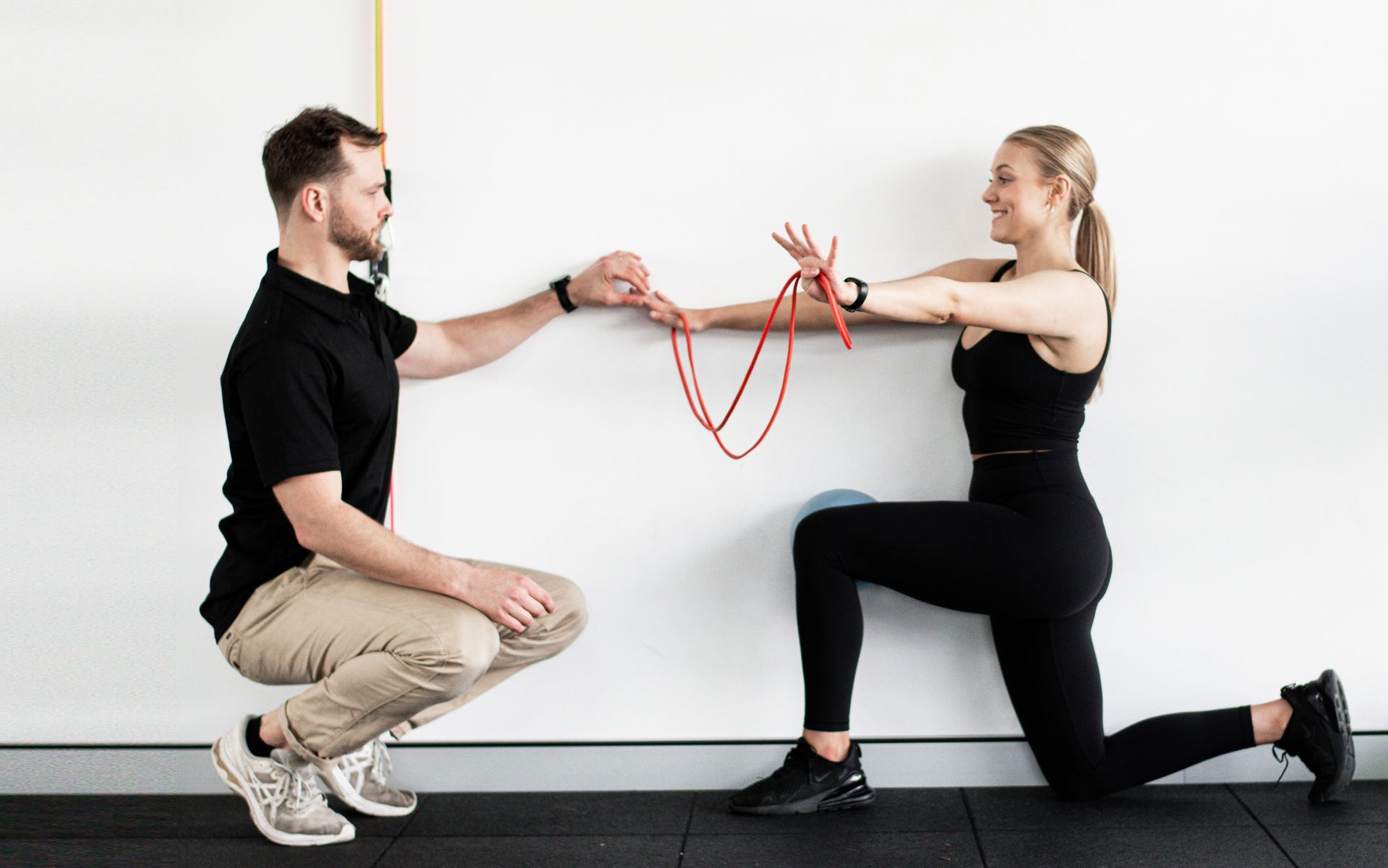
Skipping physiotherapy entirely, or attending only one or two sessions before deciding you can manage alone, leaves major gaps. Physical therapy is not just for severe injuries. Skipping therapy often leaves the injured area weak and unstable. The risk is not just local weakness at the injury site. It is the development of compensatory movement patterns that load other structures asymmetrically and create secondary injuries down the line.
Pro tip: If you are tempted to stop attending rehabilitation sessions because you feel better, discuss a discharge plan with your physiotherapist first. A structured home program and clear re-engagement criteria give you autonomy while protecting the work you have already done.

Mistake 4: Focusing Only on the Injured Site
The human body does not function in isolated parts, and injuries do not affect only the tissue at the point of pain. Every significant musculoskeletal injury produces systemic effects that extend well beyond the primary site, and any rehabilitation program that ignores those effects is setting the person up for ongoing problems.
Injury management that focuses exclusively on the primary site of injury misses the systemic effects that every significant injury produces. Muscle inhibition around an injured joint begins within 24 hours of injury onset. Compensatory movement patterns develop almost immediately as the body redistributes load away from the painful area. Proprioceptive function is disrupted at and around the injury site.
Common Kinetic Chain Failures
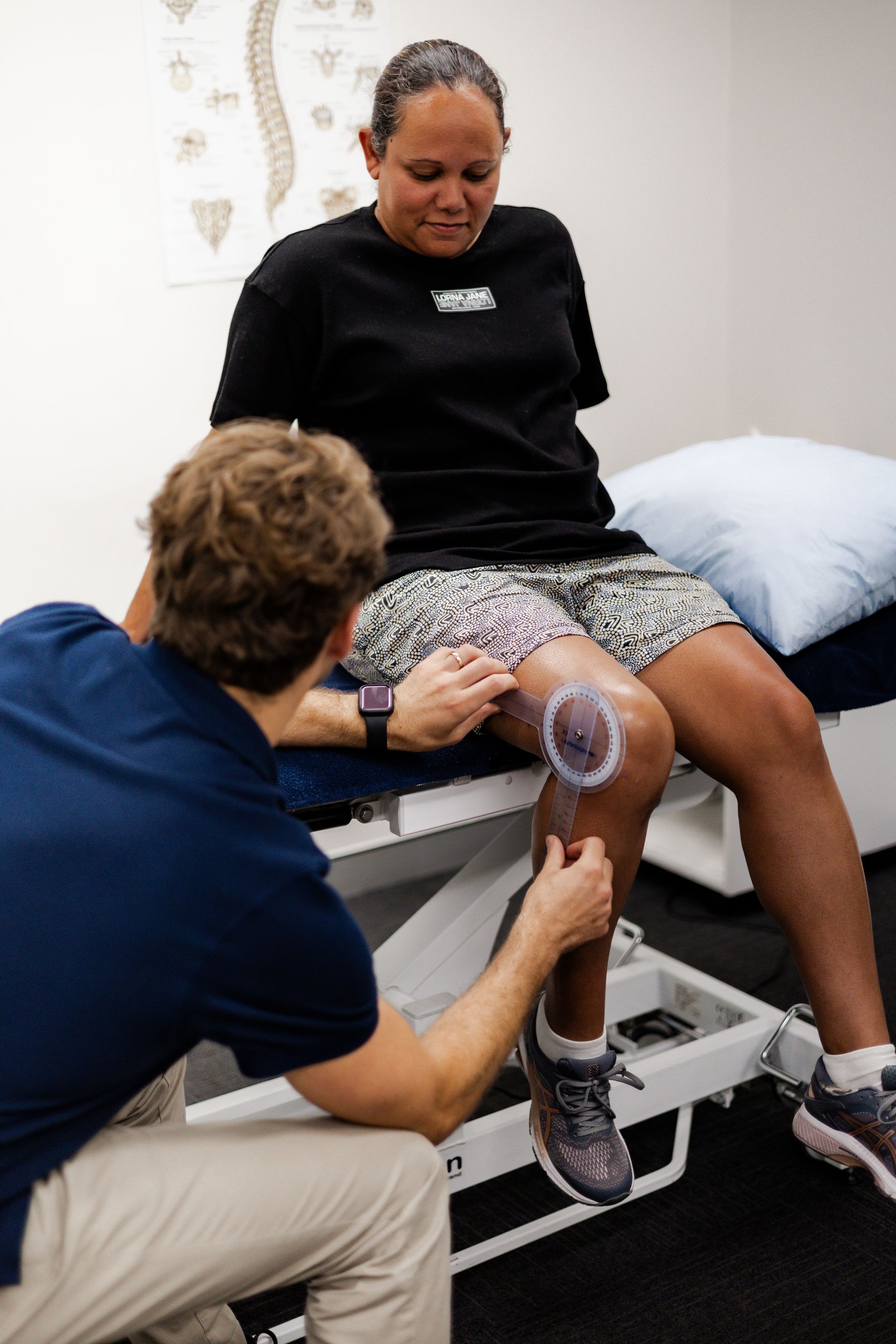
Focusing solely on the injured area is a common mistake. The body functions as a chain. When one part is weak, it impacts the rest. If you have injured your knee, you will also need to strengthen your hips and ankles to provide support and reduce the chances of overloading the knee again.
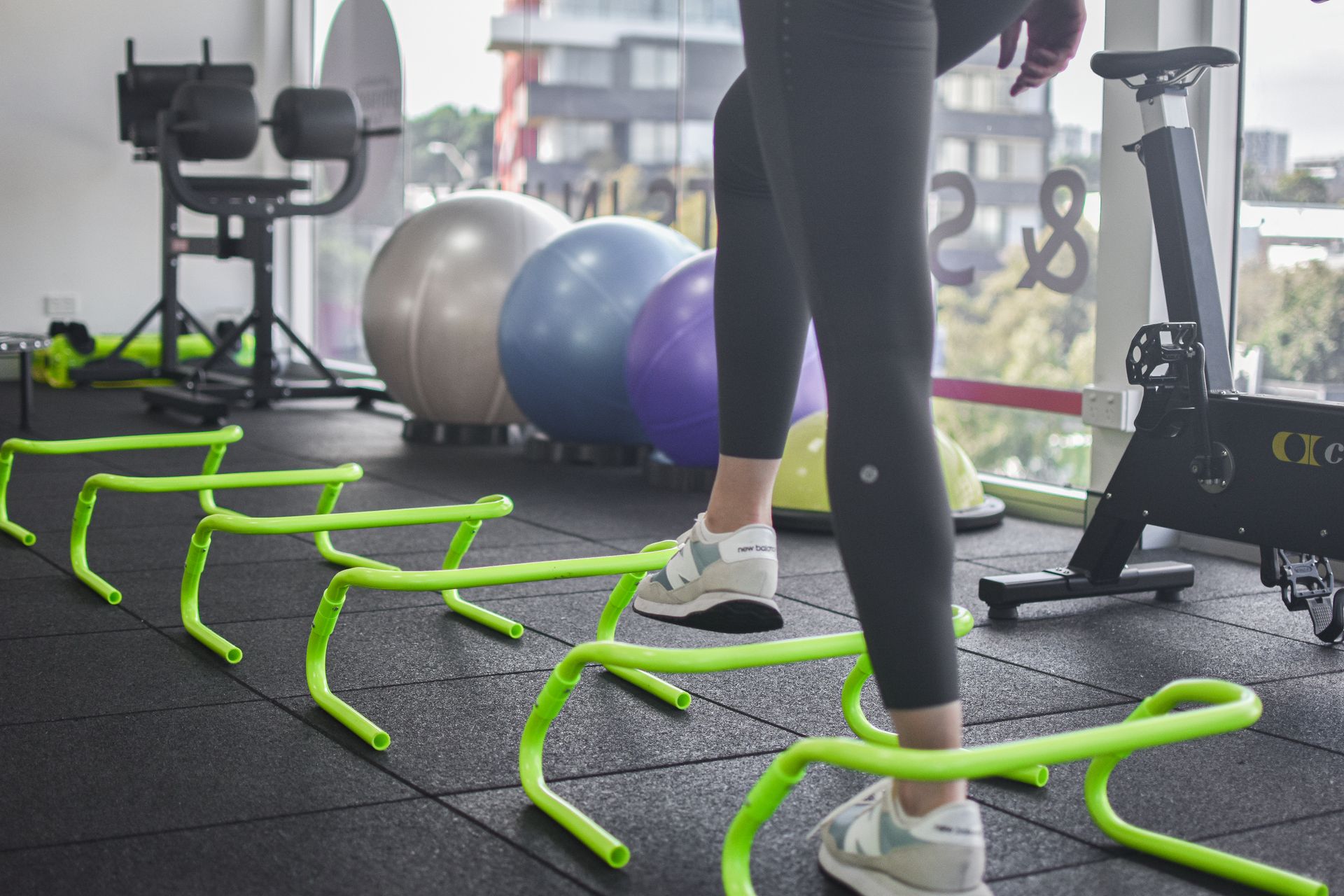
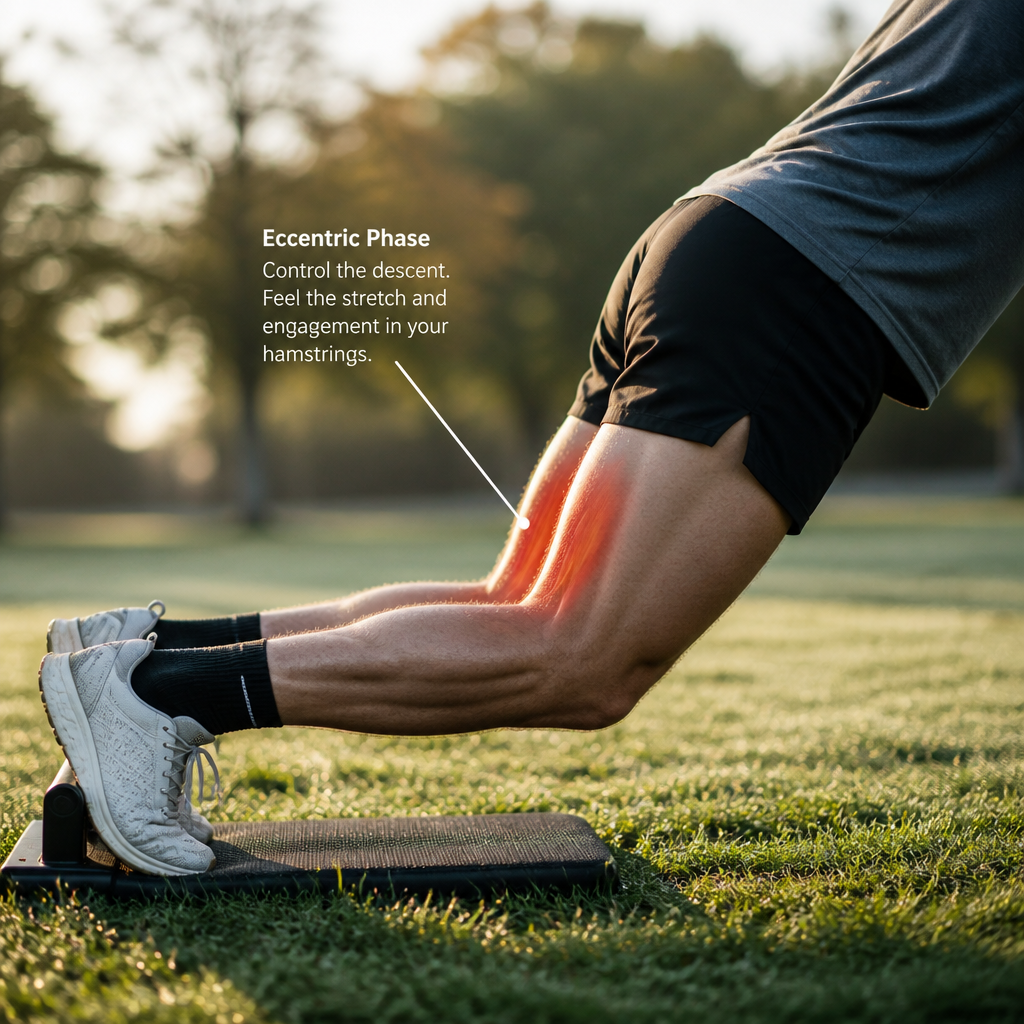
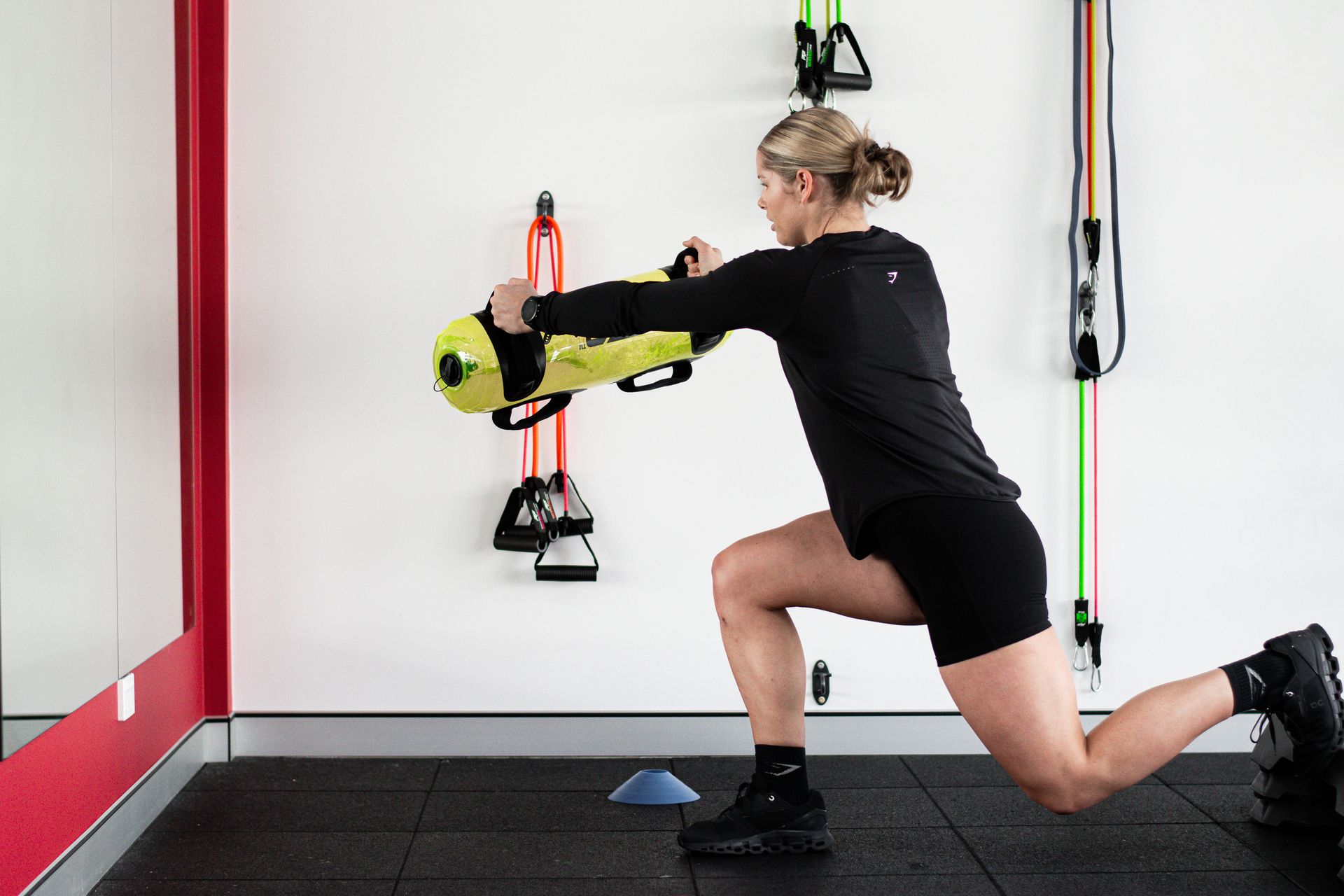
In practice, this means a lateral ankle sprain program needs to include hip strengthening and single-leg balance work, not just range-of-motion exercises for the ankle itself. A rotator cuff tear program needs to address scapular stability and thoracic mobility alongside shoulder-specific strengthening. A hamstring strain program needs to address hip flexor length, lumbar control, and running mechanics, not just hamstring loading.
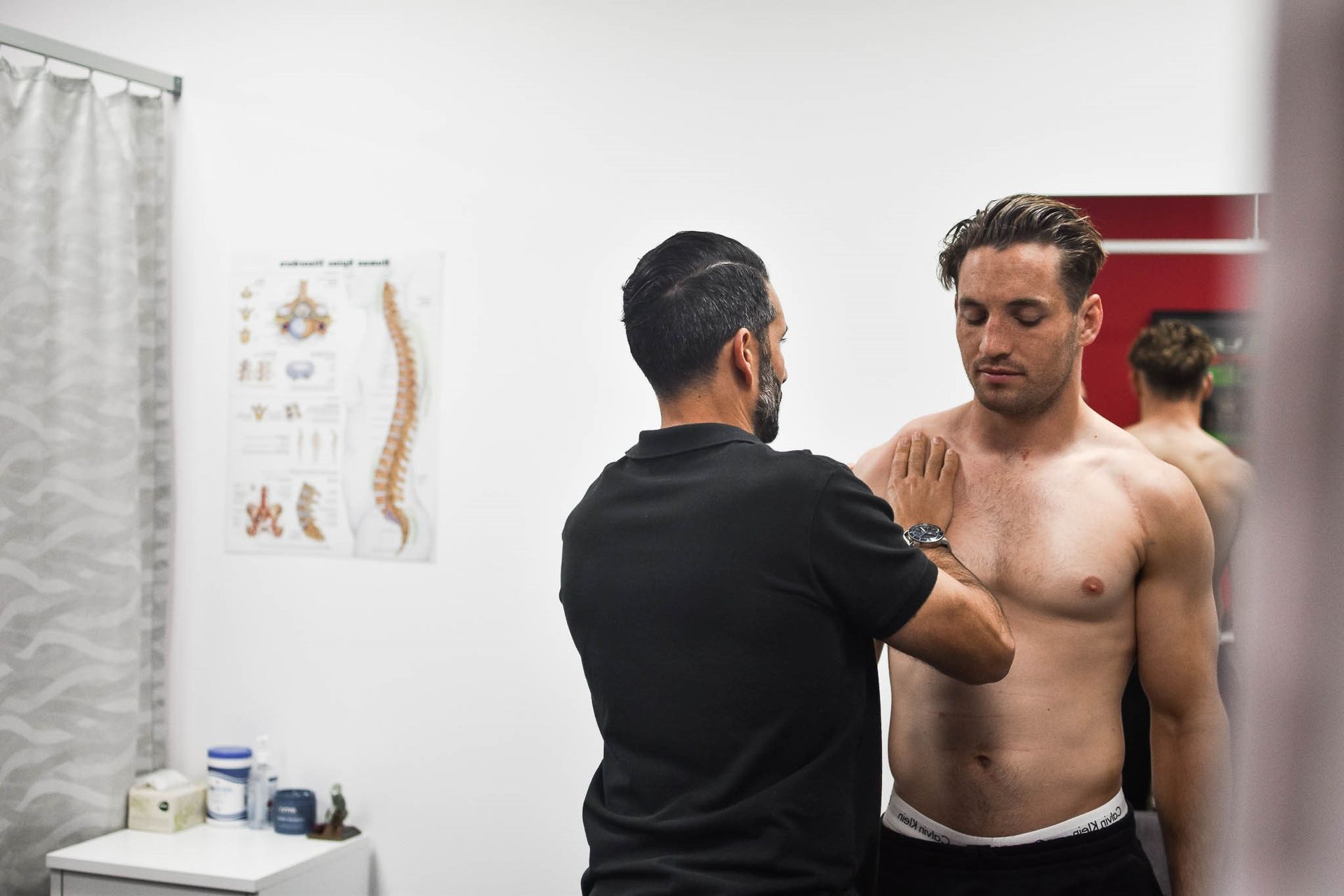
This is one area where individual physiotherapy assessment adds the most value over generic programs. A physiotherapist evaluates your overall posture, identifies muscle imbalances elsewhere in the kinetic chain, tests the quality of your functional movements, and identifies risk factors for recurrence. This systemic approach explains why your knee pain might actually stem from hip weakness. The sports injury team at Alexandria Physio applies exactly this whole-body lens to every rehabilitation assessment.
Mistake 5: Self-Treating Based on Generic Online Advice
Access to health information has never been easier, and that is both a benefit and a problem. For every useful explanation of how to manage an Achilles tendinopathy or a Grade 1 hamstring strain, there are dozens of generic exercise programs that were built for a broad, unspecified audience and are not appropriate for your specific injury, your tissue quality, your biomechanical history, or your sport.
Generic programs ignore your biomechanics, history, and patterns. Cases report aggravated injuries following non-personalized advice. Working only the painful muscle without its antagonists creates imbalances. Using the same exercises for eight weeks without progression leads to stagnation, because tissues adapt and require a gradual increase in demand.
When Online Resources Help Versus When They Harm
General educational content about injury types, healing timelines, and rehabilitation principles can help you understand your injury and have better conversations with your clinician. Where things go wrong is when people substitute online content for clinical assessment and use a program designed for a general audience as their actual rehabilitation protocol.
Athletes who attempt self-treatment or rely on internet advice instead of professional guidance risk aggravating their injuries. A complete rehabilitation program should address the entire kinetic chain. Recovery does not end when the pain disappears. Preventive measures are essential to avoid recurrence.
The value of physiotherapy is not simply the exercise prescription. It is the ongoing assessment of how your body is responding, the adjustment of load and progression based on real-time feedback, and the identification of contributing factors that you would never find in a search result. For athletes and active professionals in Sydney's inner south, Alexandria Physiotherapy and Sports Injury provides exactly that level of individually tailored care, combining clinical experience with data-driven programming to get people back to training and competition safely.
Recovery Approach Comparison
Not all approaches to managing a sports injury deliver the same outcomes. The table below compares three common paths athletes take, using what typically happens with a moderate soft tissue injury such as a Grade 2 ankle sprain or a hamstring strain.
| Approach | What It Involves | Typical Outcome |
|---|---|---|
| Complete Rest and Wait | Minimal movement, no structured rehabilitation, returning to activity once pain settles | Muscle inhibition, compensatory movement patterns, high re-injury risk, delayed return to sport |
| Self-Directed Online Program | Generic exercises sourced from the internet, no individual assessment, no load management | Inconsistent progression, potential aggravation, kinetic chain imbalances left unaddressed |
| Structured Physiotherapy Rehabilitation | Individual assessment, progressive loading, kinetic chain work, objective return-to-sport criteria | Faster return to sport, lower re-injury rate, restoration of full strength and neuromuscular control |
Frequently Asked Questions
How long should I wait before seeing a physiotherapist after a sports injury?
The short answer is: as soon as possible. Early assessment does not mean early loading. A physiotherapist can advise on appropriate management from day one, including what to do and what to avoid during the acute phase. The earlier you are assessed, the more options are available to influence the recovery trajectory. Waiting several weeks until pain persists is one of the most common ways people lose time.
Is it okay to exercise through pain during rehabilitation?
Mild discomfort during rehabilitation exercise is often acceptable and sometimes expected, particularly in the later stages of tendon or muscle rehabilitation. Increasing, sharp, or joint-based pain is not. The clinical rule of thumb used in structured rehabilitation is that exercise-related soreness should resolve within 24 hours. If it does not, the load was too high. Pain that intensifies during an exercise session is a clear signal to stop and reassess with your physiotherapist.
Why do I keep re-injuring the same area?
Repeat injuries to the same site almost always point to incomplete rehabilitation the first time around. The most common reasons include returning to sport before hitting objective strength and neuromuscular benchmarks, failing to address the kinetic chain contributors to the original injury, and stopping rehabilitation once symptoms resolved rather than completing the full program. A thorough movement assessment can identify the specific deficits driving the recurrence pattern.
What is the difference between physiotherapy and massage for sports injury recovery?
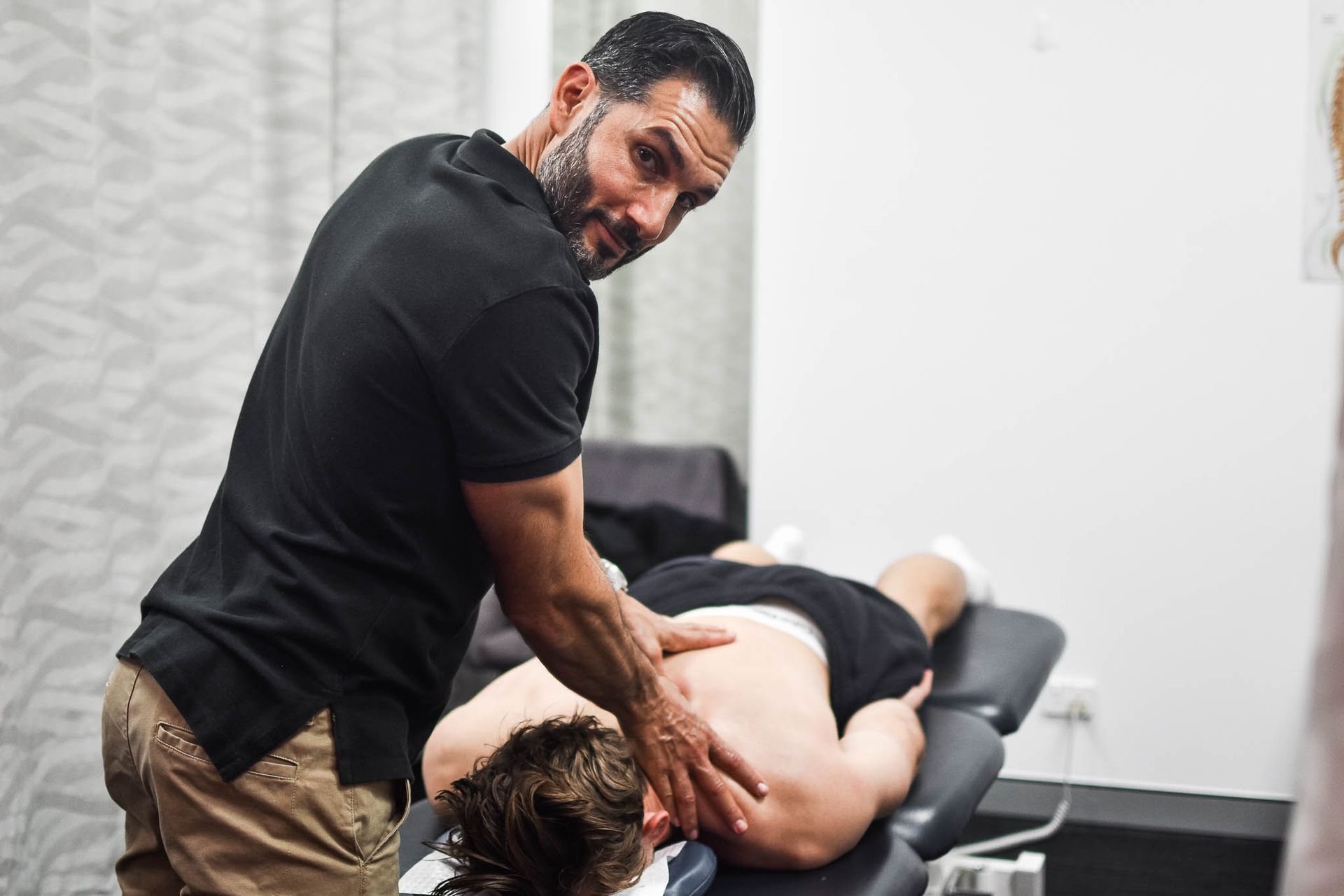
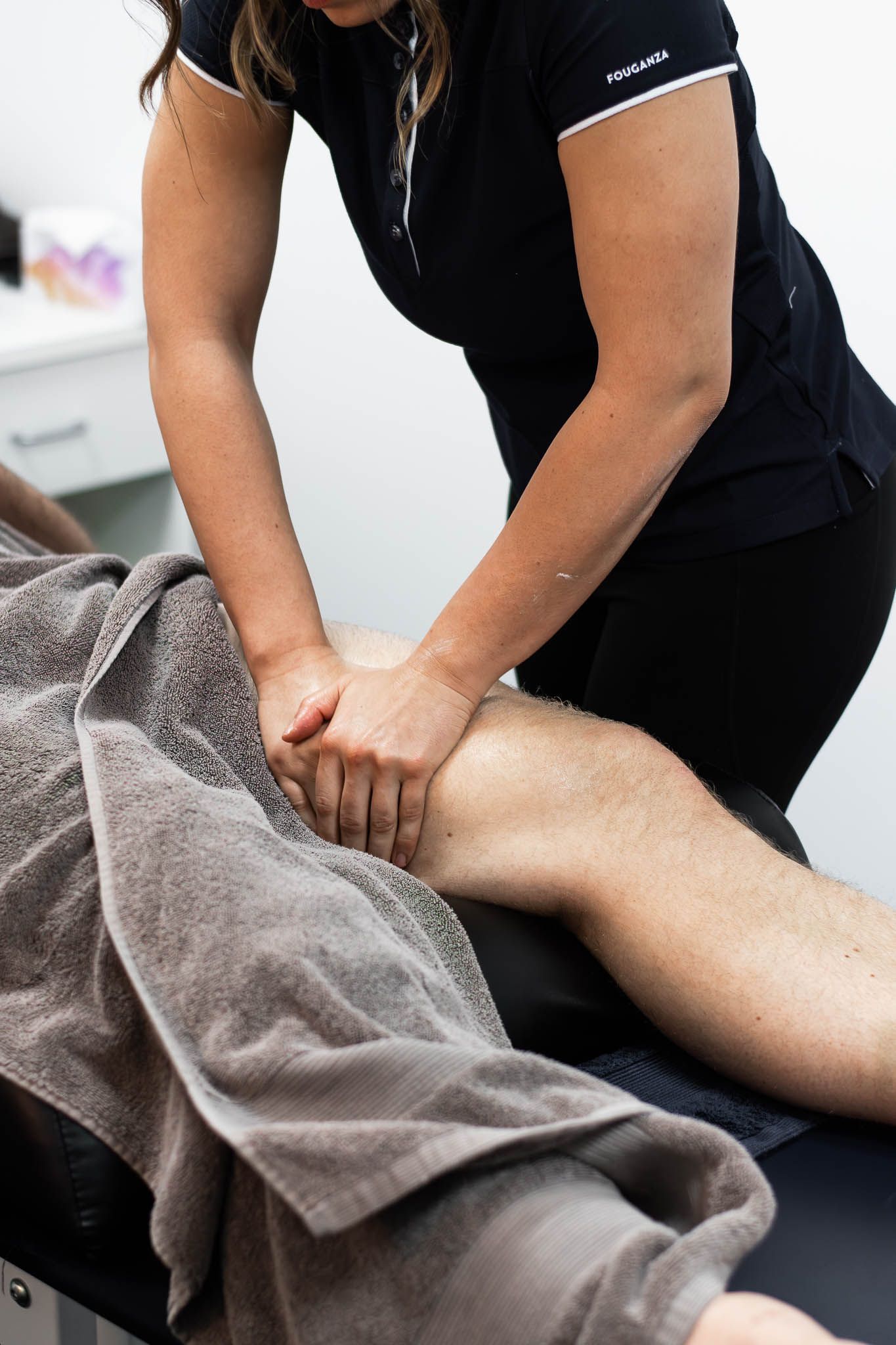
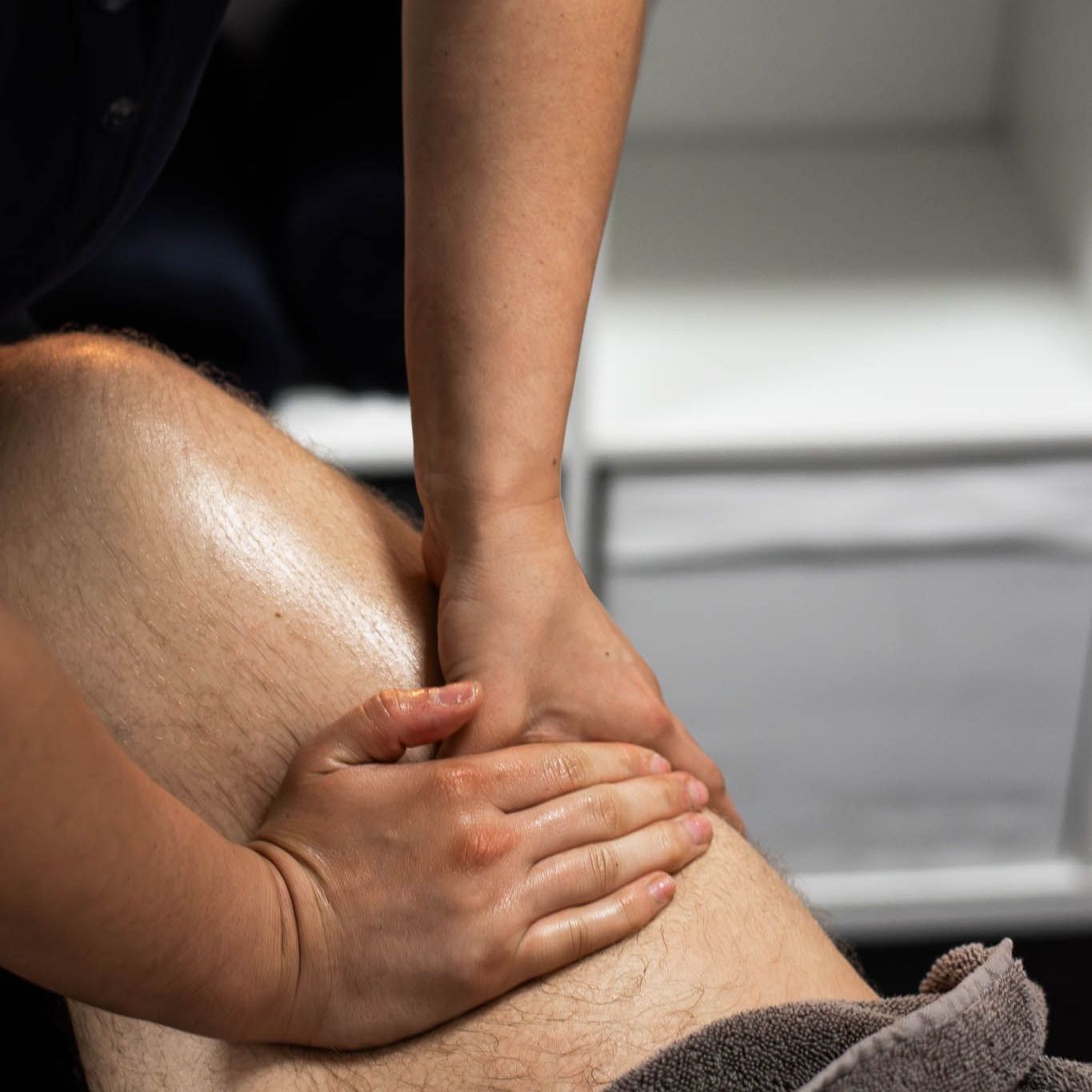
Remedial massage and physiotherapy serve different but complementary roles in sports injury recovery. Massage therapy is effective for managing soft tissue tension, reducing muscle guarding, improving circulation, and supporting recovery between training sessions. Physiotherapy involves clinical assessment, diagnosis, and the prescription of a structured rehabilitation program targeting the underlying cause of the injury. Many athletes benefit from both, particularly during high-load training phases. Alexandria Physio offers both services under one roof, which allows for coordinated care.
How do I know when I am genuinely ready to return to sport after an injury?
Readiness should be determined by a set of objective criteria established by your physiotherapist at the start of your rehabilitation, not by how you feel on a given day or by a calendar date. These criteria typically include achieving a specific percentage of limb symmetry on strength and hop tests, completing sport-specific movement patterns without compensatory mechanics, and passing a graduated return-to-training protocol without symptom recurrence. If your current program does not include measurable return-to-sport benchmarks, ask your clinician to put them in place.
Does nutrition affect sports injury recovery?
Yes, significantly. Tissue repair is a biological process that depends on adequate protein intake for collagen synthesis, sufficient caloric intake to support healing, and micronutrients including vitamin C, zinc, and omega-3 fatty acids that play direct roles in the inflammatory and repair phases. Undereating during recovery, which is common in athletes who are not training, slows tissue healing measurably. Sleep quality has a similar effect. These factors are worth raising directly with your physiotherapist or sports medicine practitioner.
Have you made any of these mistakes during your own recovery, and what helped you get back on track? Share your experience below.
References
- Journal of Orthopaedic and Sports Physical Therapy: ACL re-injury rates and return-to-sport timing in young athletes
- Physio Experts: Practical sports injury recovery guide covering common mistakes and rehabilitation principles
- Axis Therapy: Clinical overview of the most common post-injury management errors and how to correct them
- Physioactif: Evidence-based guidance on returning to sports after injury, including return-to-play criteria
- Buffalo Rehab: Rethinking the RICE method and the case for early controlled movement in soft tissue injury recovery