

Remedial Massage Alexandria Sydney: Sports Recovery Guide
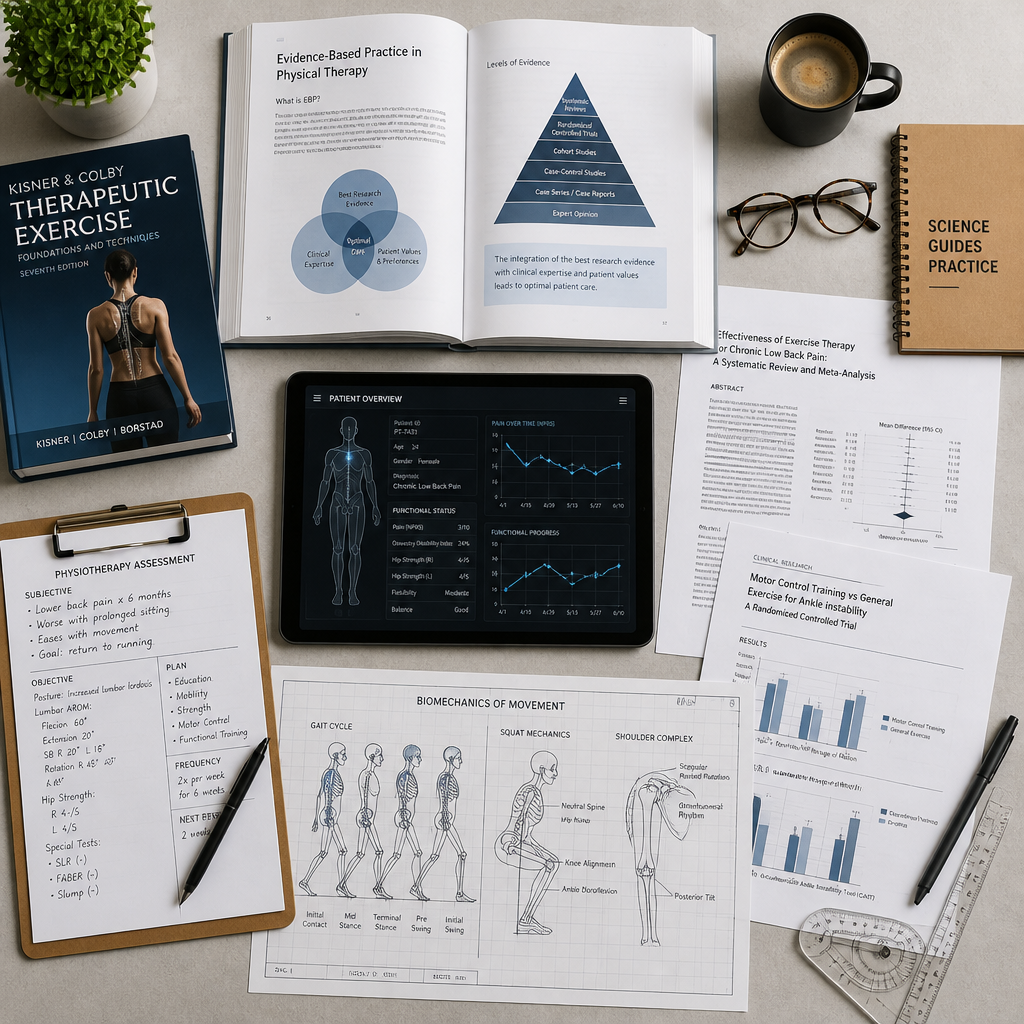
Most athletes who come to us at Alexandria Physiotherapy are not asking whether remedial massage works. They are asking why they still feel wrecked four days after a hard training block, or why the same muscle keeps pulling up tight no matter how much stretching they do. The answer, almost always, involves how they are managing recovery, not just how hard they are training. Remedial massage in Alexandria, Sydney is one of the most consistently underused tools in an athlete's recovery plan, and when it is applied correctly by a trained therapist who understands the body under load, it changes what is possible in the weeks that follow. This is not about relaxation. It is about tissue management, neurological recovery, and getting back on the field faster.
Table of Contents
- What Remedial Massage Actually Is (and Is Not)
- The Physiological Mechanisms Behind Sports Recovery
- Remedial Massage and DOMS: What the Evidence Says
- Techniques Used in a Sports Recovery Session
- Comparing Recovery Approaches: Which One Does What
- When to Book a Remedial Massage: Timing Within Your Training Cycle
- How Remedial Massage Fits Into a Physiotherapy-Led Plan
- Frequently Asked Questions
Quick Takeaways
| Key Insight | Explanation |
|---|---|
| Remedial massage reduces DOMS severity | Research consistently shows massage applied within a few hours post-exercise reduces delayed onset muscle soreness, allowing athletes to return to training sooner. |
| Flexibility gains are real and measurable | Meta-analyses confirm that sports massage produces modest but genuine improvements in range of motion, which matters for injury prevention across all sports. |
| Timing relative to training matters enormously | Post-event massage serves a different physiological purpose than pre-event massage. Using the wrong type at the wrong time can blunt performance or delay adaptation. |
| Psychological recovery is a legitimate outcome | Studies show massage reduces perceived fatigue, stress, and anxiety, and improves mood and sense of recovery, all of which affect how hard athletes can train next session. |
| Remedial massage is not the same as relaxation massage | A remedial session targets specific tissues based on clinical assessment. It requires qualified therapists who understand injury biomechanics and athletic load. |
| Integration with physiotherapy multiplies results | Remedial massage combined with a physiotherapy-led rehabilitation or performance program produces better outcomes than either modality used in isolation. |
| Inflammation modulation, not elimination | The goal is not to eliminate the inflammatory response entirely. Effective massage helps modulate it so the body recovers without excessive tissue stiffness or compensatory movement patterns. |
What Remedial Massage Actually Is (and Is Not)
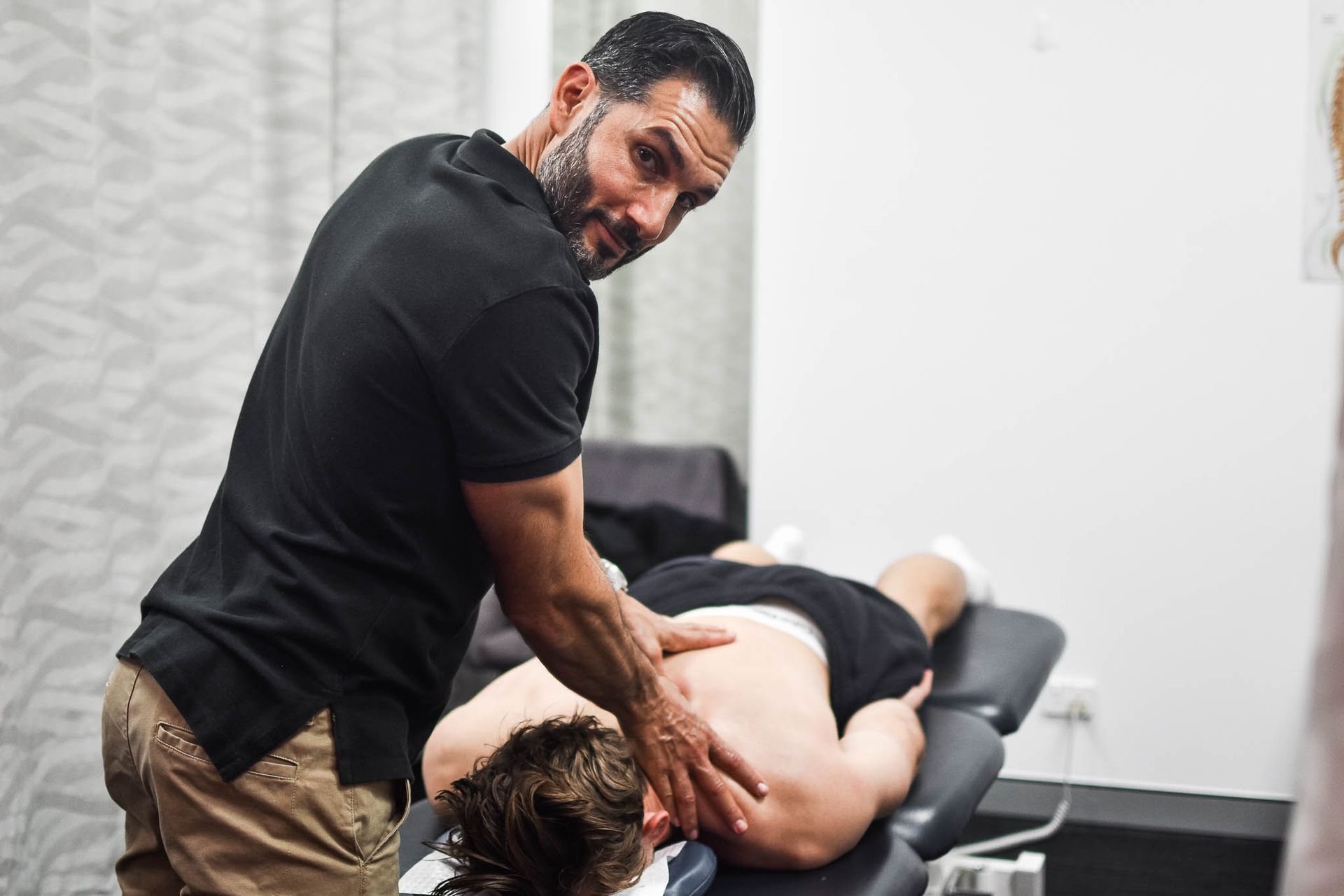
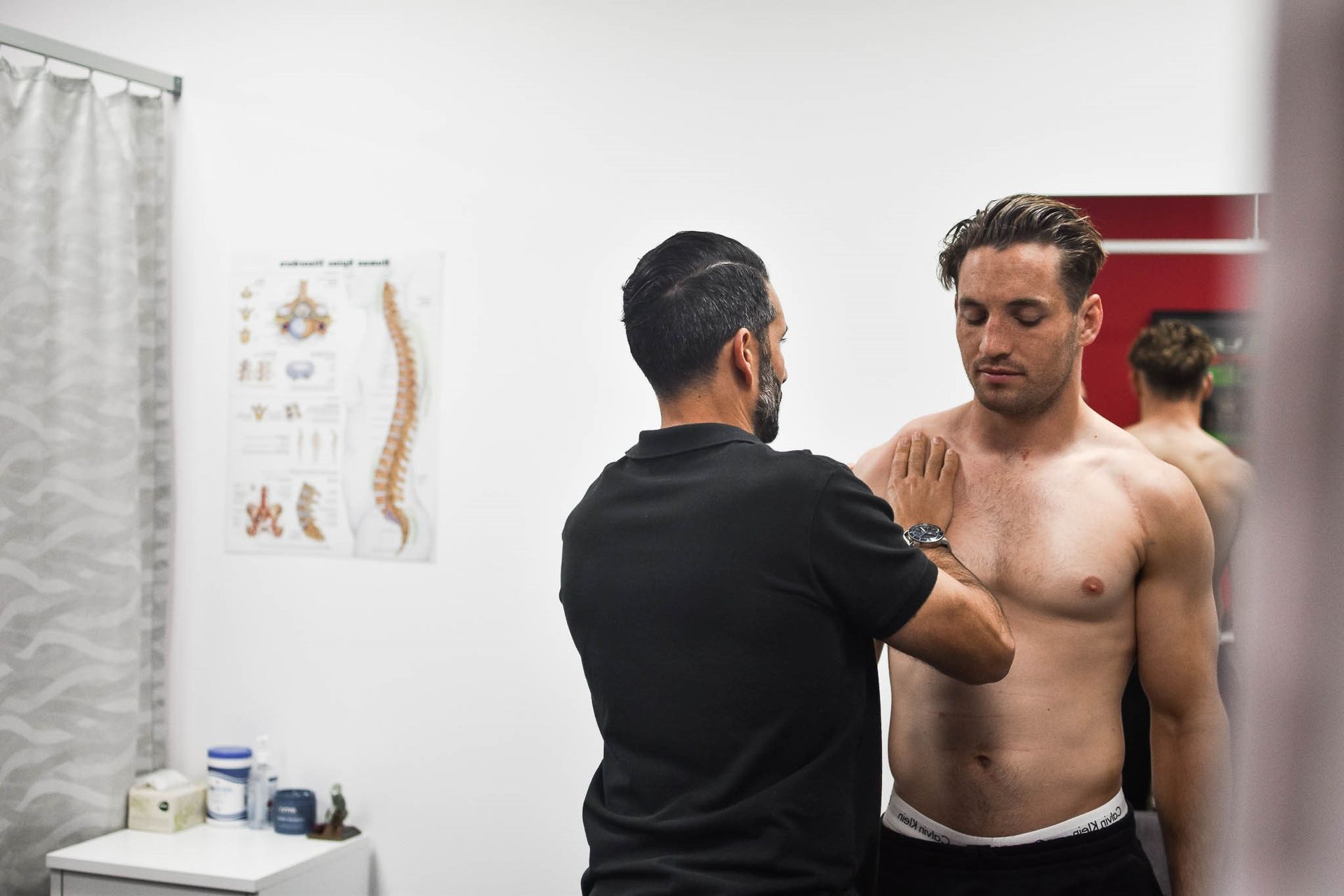
Remedial massage is a clinically applied, assessment-driven manual therapy . The therapist begins with a postural and functional assessment, identifies the tissues that are overloaded, restricted, or dysfunctional, and then applies specific techniques to address those findings. It is not a head-to-toe Swedish massage with a health fund rebate attached to it.
For athletes, this distinction is not semantic. A runner presenting with recurring calf tightness needs a therapist who can assess whether the issue originates in the calf itself, the plantar fascia, the Achilles insertion, or a hip extension deficit loading the posterior chain differently. Applying deep tissue work to the calf alone without that context produces temporary relief and repeating problems.
What remedial massage is genuinely good at is addressing the accumulated soft tissue dysfunction that builds up over a training block. Every hard session creates micro-damage, fluid shifts, fascial tension, and neuromuscular guarding. A single session will not fix a torn ligament. But consistent, well-timed remedial massage keeps the baseline tissue quality high enough that the body can handle progressive training loads without breaking down.
Pro tip: Always tell your remedial massage therapist exactly what you trained in the last 48 to 72 hours. The session should be adjusted based on your actual tissue state, not a fixed protocol. A therapist who does not ask about recent training is working blind.


The Physiological Mechanisms Behind Sports Recovery
Understanding why remedial massage works requires a brief detour into what actually happens to muscle tissue after high-intensity exercise. The mechanical stress of training creates micro-tears in muscle fibres, triggers a local inflammatory cascade, and increases interstitial fluid. The body's response is appropriate, but it is not always efficient.
Circulatory and Lymphatic Effects
One of the most consistently cited mechanisms is the effect on local circulation and lymphatic drainage. Techniques like effleurage and petrissage are thought to enhance blood flow to working tissues and assist the clearance of metabolic by-products including lactate and creatine kinase from the blood. Improving local circulation means oxygen and nutrients arrive to repairing tissues more readily, and waste products clear more quickly.
Neurological and Fascial Effects
Beyond circulation, remedial massage has a significant neurological component. Sustained pressure on hypertonic (overactive) muscle tissue triggers the Golgi tendon organ response, reducing motor neuron firing rates and lowering resting muscle tone. This is why athletes often notice not just reduced tightness but improved movement quality after a session. The fascial system , which wraps every muscle and connects structures across the body, responds to manual tension with a viscoelastic change that improves extensibility.
Inflammatory Modulation
Research published in peer-reviewed journals has examined how massage affects systemic inflammatory markers after high-intensity intermittent exercise. The picture is complex. Direct suppression of inflammation is not the primary mechanism. Rather, massage appears to influence the body's inflammatory signalling environment in a way that supports tissue repair without the excessive stiffness and pain that slows athletes down. The goal is always modulation, not suppression.
Massage treatment leads to a decrease in depression, stress, anxiety, and the perception of fatigue, and an increase in mood, relaxation, and the perception of recovery. These are not trivial outcomes for a competitive athlete managing a heavy training load.
Remedial Massage and DOMS: What the Evidence Says
Delayed onset muscle soreness peaks between 24 and 72 hours after unaccustomed or high-intensity exercise. For athletes training multiple times per week, DOMS is not an occasional inconvenience. It is a recurring factor that, if poorly managed, leads to altered movement patterns, reduced training quality, and increased injury risk.
The research on massage and DOMS is one of the more settled areas in sports recovery science. A systematic review and meta-analysis published in Frontiers in Physiology examined the effects of massage on alleviating DOMS and muscle performance after strenuous exercise. The evidence supports massage as an effective intervention for reducing DOMS severity. A separate meta-analysis available on PubMed confirmed that sports massage can improve both flexibility and DOMS, even where direct improvements in peak athletic performance are harder to quantify.
The practical implication is straightforward. If a rugby player trains hard on Tuesday and has a game on Saturday, the difference between a DOMS-managed Tuesday-to-Saturday recovery and an unmanaged one can be the difference between playing at 90% and playing at 70%. Sports recovery massage is not a luxury at that point. It is a performance variable.
Pro tip: The optimal window for post-exercise remedial massage is typically within two to six hours of completing a session, or within the first 24 hours. Waiting until you are already severely sore on day two or three is less effective. Build the massage into your recovery schedule proactively, not reactively.
Techniques Used in a Sports Recovery Session
A well-constructed remedial massage session for an athlete draws from several distinct technique categories, each with a different tissue target and therapeutic goal.
Effleurage and Petrissage
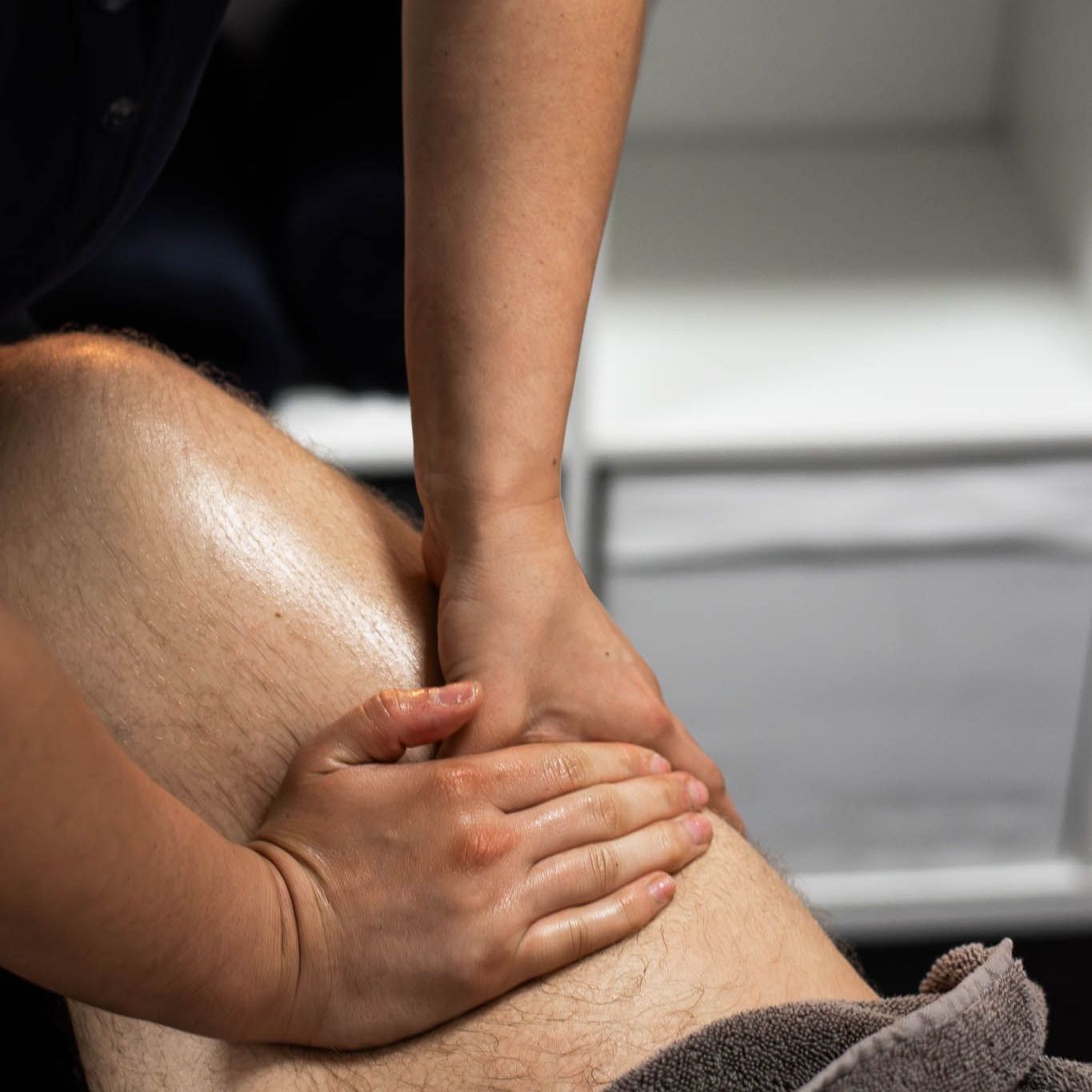
These are the foundational strokes. Effleurage uses long, flowing pressure strokes to stimulate circulation, warm tissue, and prepare the area for deeper work. Petrissage involves kneading and compression that targets deeper muscle layers, helps mobilise interstitial fluid, and begins addressing areas of localised tension.
Deep Tissue and Trigger Point Therapy
Deep tissue work applies slow, sustained pressure into the deeper layers of muscle and connective tissue. It is not simply "hard massage." The pressure is controlled, directional, and specific. Trigger point therapy targets discrete hyperirritable spots within a muscle that refer pain to other areas. Athletes who report persistent tightness in a muscle that is not responding to stretching often have active trigger points driving that sensation.
Myofascial Release
Myofascial release involves sustained, gentle traction on the fascial envelope surrounding muscles. It is slower and less forceful than deep tissue work, but its effects on tissue extensibility and movement quality are significant. This technique is particularly valuable for athletes with recurring injury patterns in the same region, where fascial restriction is contributing to mechanical load.
PNF Stretching
Proprioceptive Neuromuscular Facilitation stretching, when incorporated into a remedial massage session, uses contract-relax cycles to achieve greater range of motion gains than passive stretching alone. For athletes with chronic hip flexor, hamstring, or shoulder tightness, this approach produces durable improvements when applied consistently.

Comparing Recovery Approaches: Which One Does What
| Recovery Approach | Primary Benefit | Best Used For |
|---|---|---|
| Remedial Massage | Targeted soft tissue treatment, DOMS reduction, fascial release, neurological downregulation | Post-training recovery, recurring tightness, chronic soft tissue restrictions, pre-competition preparation |
| Physiotherapy-Led Exercise Rehabilitation | Structural strength and movement pattern correction, injury rehabilitation, return-to-sport progression | Post-injury rehabilitation, biomechanical dysfunction, load management and strength deficits |
| Active Recovery and Compression | Circulatory support, low-level movement to reduce stiffness, passive fluid management | Between sessions, travel days, very high training volume periods where manual therapy access is limited |
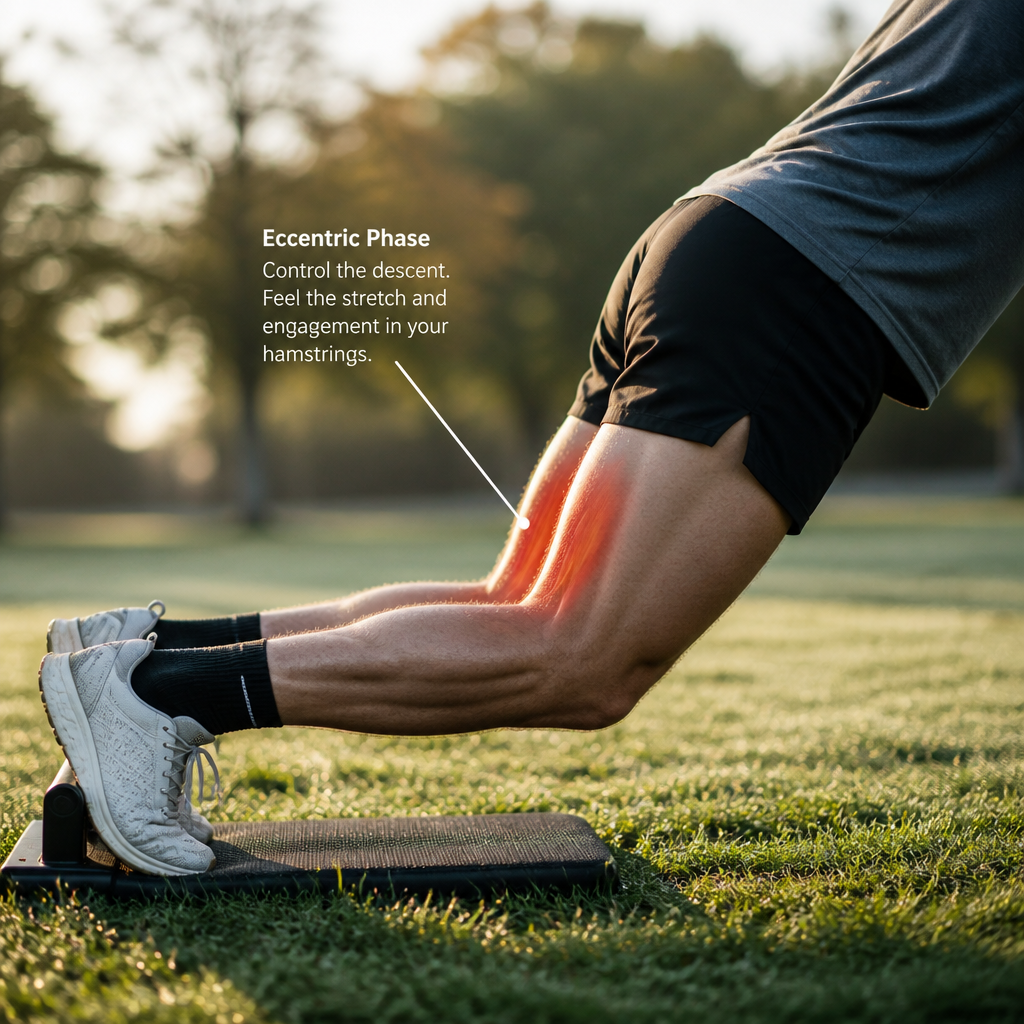
The key point this table illustrates is that these approaches are not competing. They target different mechanisms. An athlete managing a hamstring strain, for example, needs physiotherapy to correct the load pattern and rehabilitate the tissue. They also need remedial massage to manage the surrounding tissue tightness that develops as the body protects the injured area. Using only one approach leaves a gap.
When to Book a Remedial Massage: Timing Within Your Training Cycle
One of the most common mistakes athletes make with massage therapy for athletes is treating it as something they do when something hurts, rather than as a scheduled component of their training programme. By the time pain is the prompt, tissue quality has already degraded significantly.
During a Heavy Training Block
When training volume and intensity are high, weekly or fortnightly remedial massage sessions help maintain tissue quality, manage accumulated fatigue, and catch problems before they become injuries. A therapist working regularly with an athlete develops a baseline understanding of their tissue state, which means deviations from normal are identified early.
In the Week Before Competition
Pre-event massage serves a different purpose than post-training massage. The session should be lighter, focused on activating circulation and reducing resting tension rather than deep tissue work that leaves muscles sore. Avoid heavy remedial work within 48 hours of a key performance event. A lighter, shorter session two to three days out is appropriate for most athletes.
During Injury Recovery
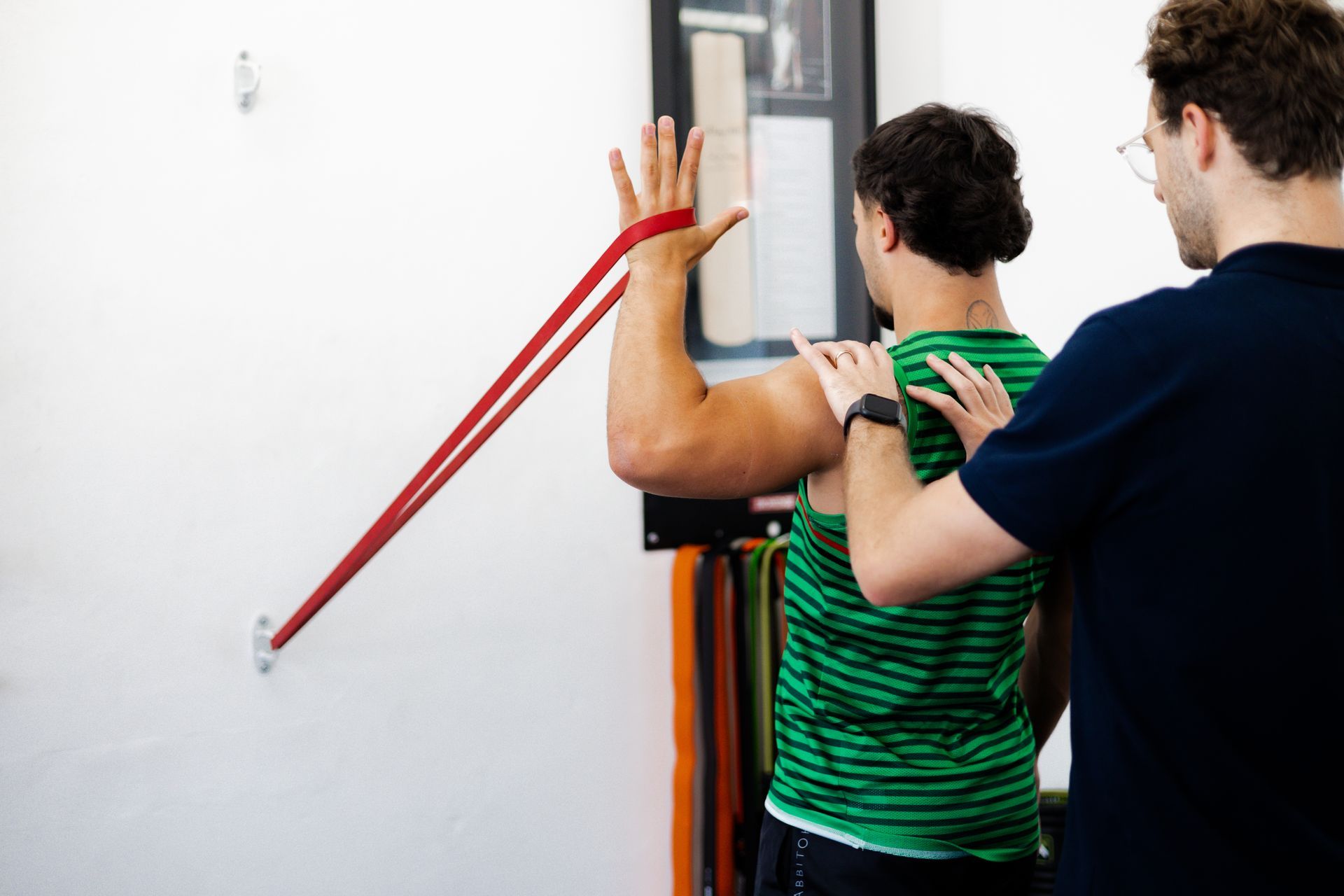
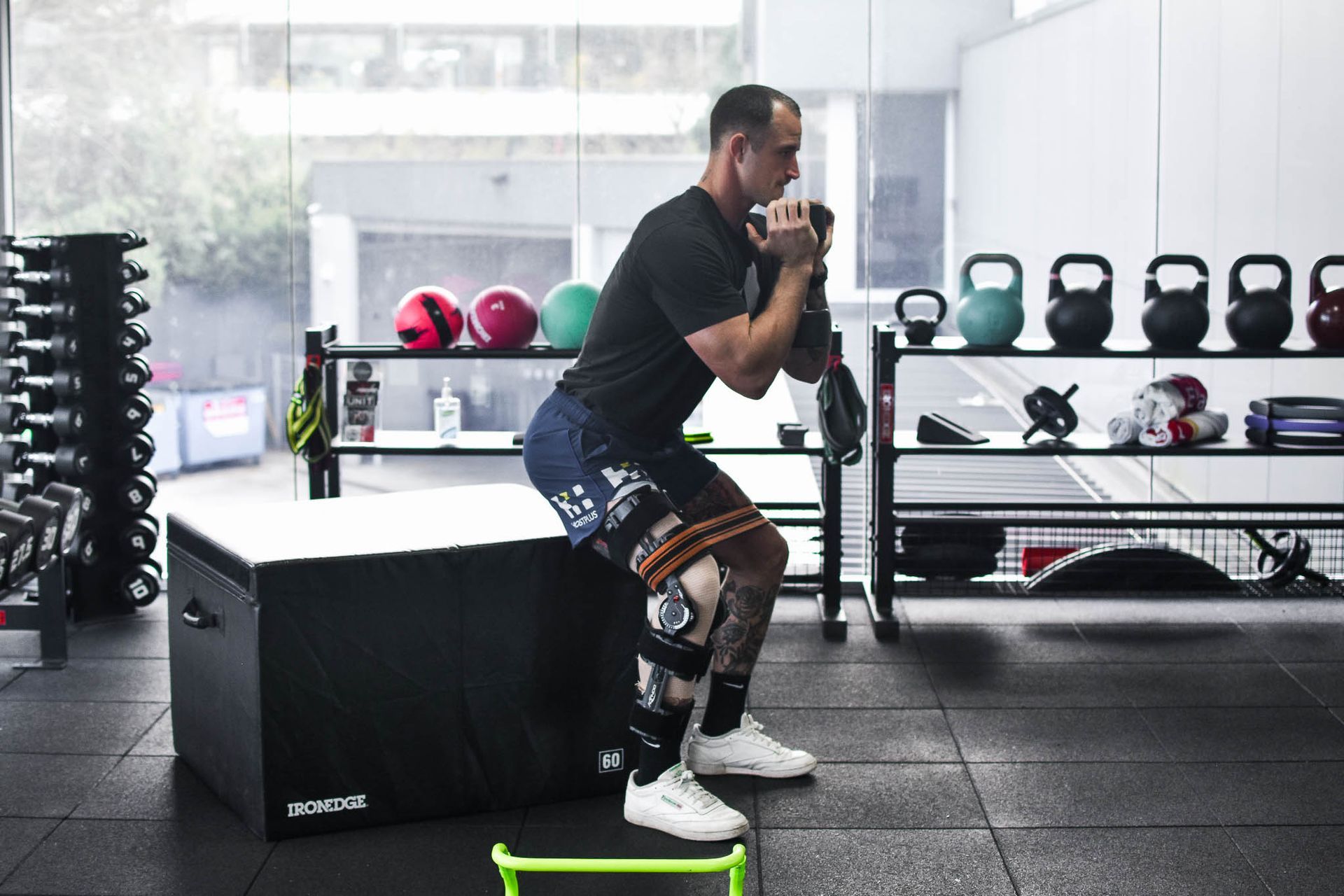
Remedial massage plays a specific role in injury rehabilitation beyond the injury site itself. When a shoulder is injured, the surrounding rotator cuff muscles, the thoracic paraspinals, and often the neck and upper trap develop compensatory tension. Addressing that compensatory tissue load with massage, alongside the targeted physiotherapy for the primary injury, speeds up the overall recovery arc.
In the Off-Season
The off-season is the optimal time to address chronic restrictions that accumulate during a season. Old scar tissue, fascial thickening from repeated strains, and habitual movement asymmetries are all best treated when the athlete is not under performance pressure. Monthly sessions during the off-season produce a measurably better tissue baseline heading into pre-season.
How Remedial Massage Fits Into a Physiotherapy-Led Plan
At Alexandria Physiotherapy, remedial massage is not offered as a standalone product detached from clinical reasoning. It sits within a broader assessment and management framework led by experienced physiotherapists. This matters more than most athletes realise.
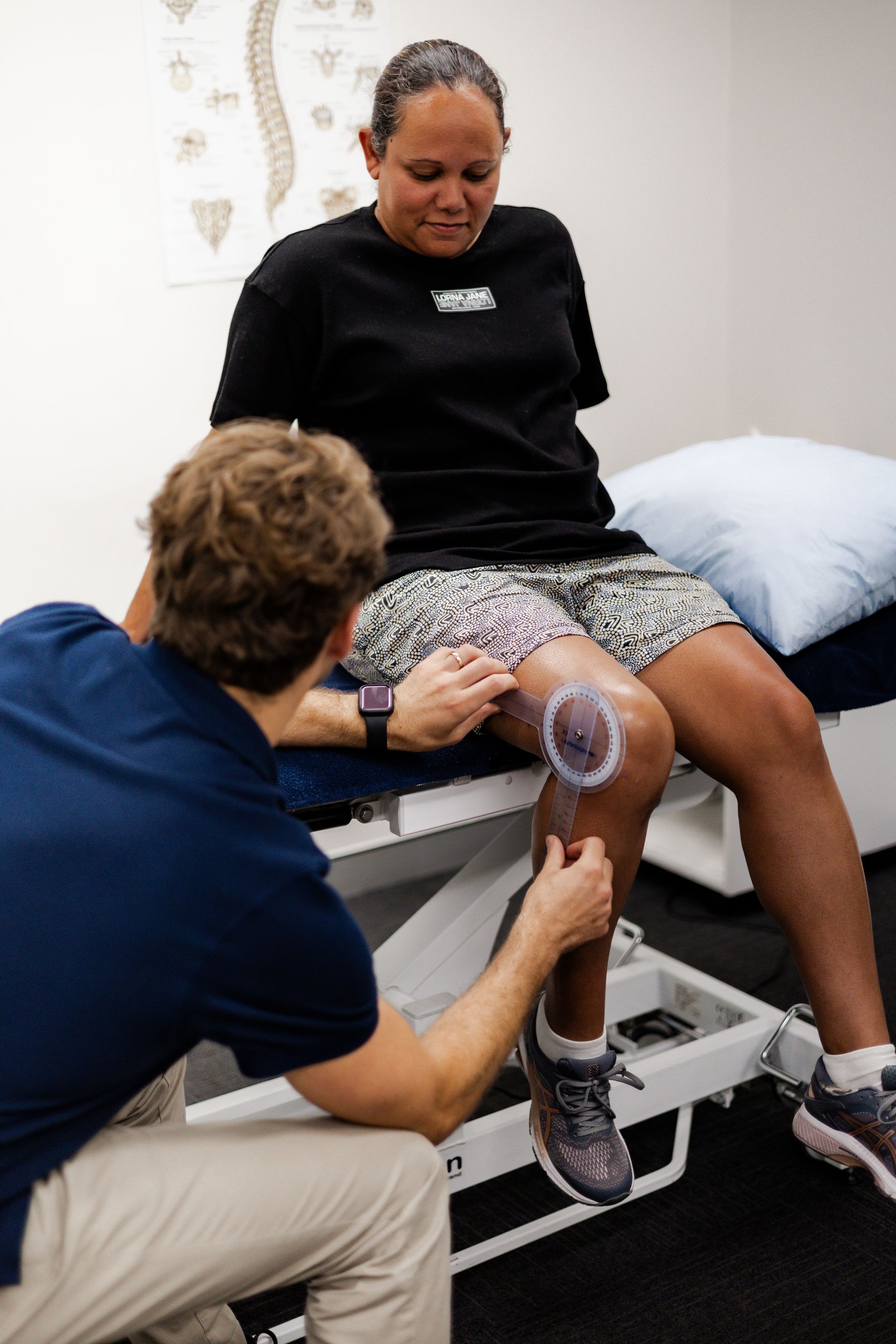
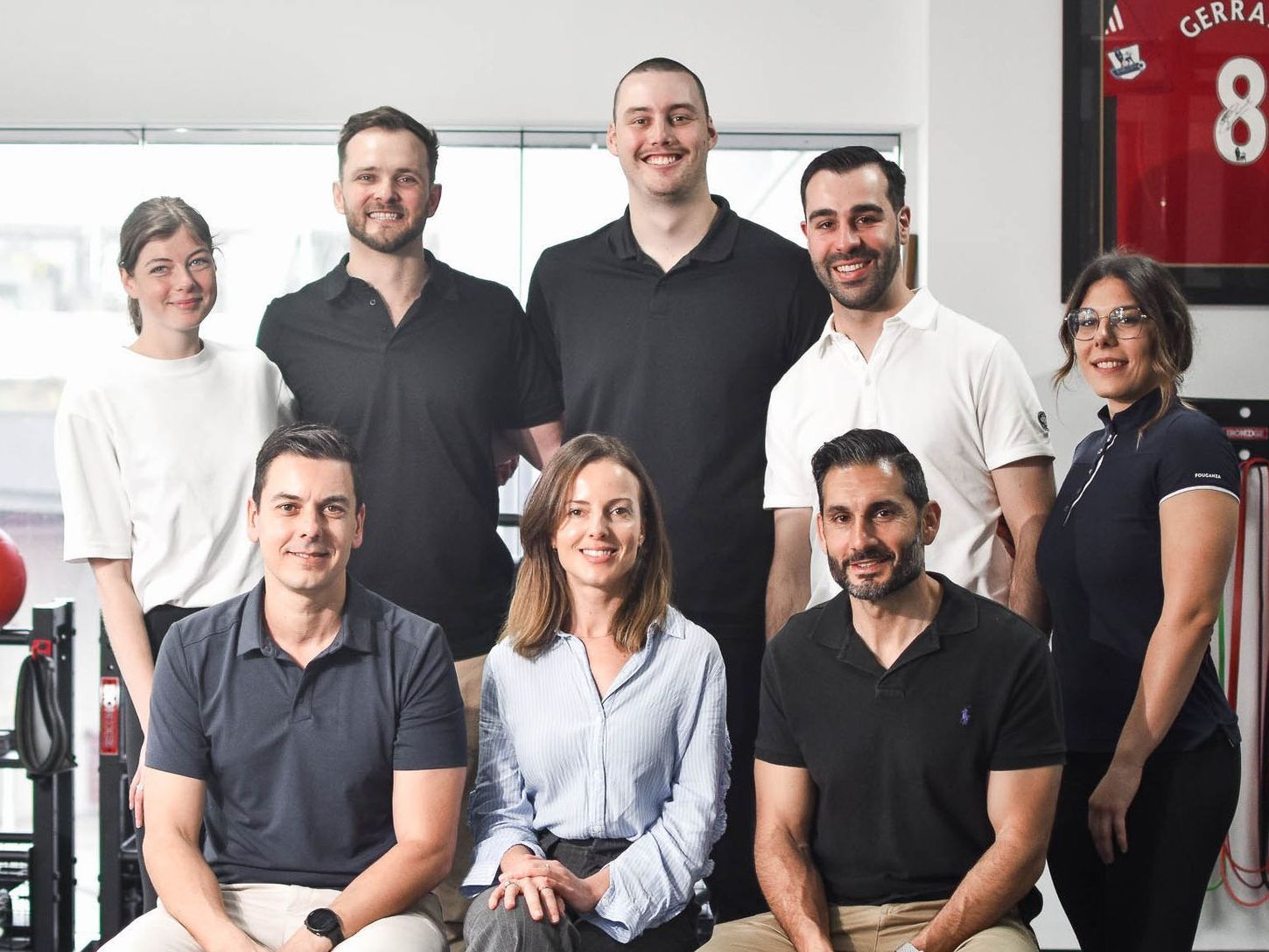
When Eddie Farah and the team assess an athlete, the decision about whether remedial massage is appropriate, which techniques to use, and how it integrates with any existing rehabilitation programme is a clinical decision, not an administrative one. A massage applied to an area of active inflammation in the wrong phase of healing can delay recovery. A massage applied to the correct tissue at the right time in the right way accelerates it. The difference is clinical judgment.
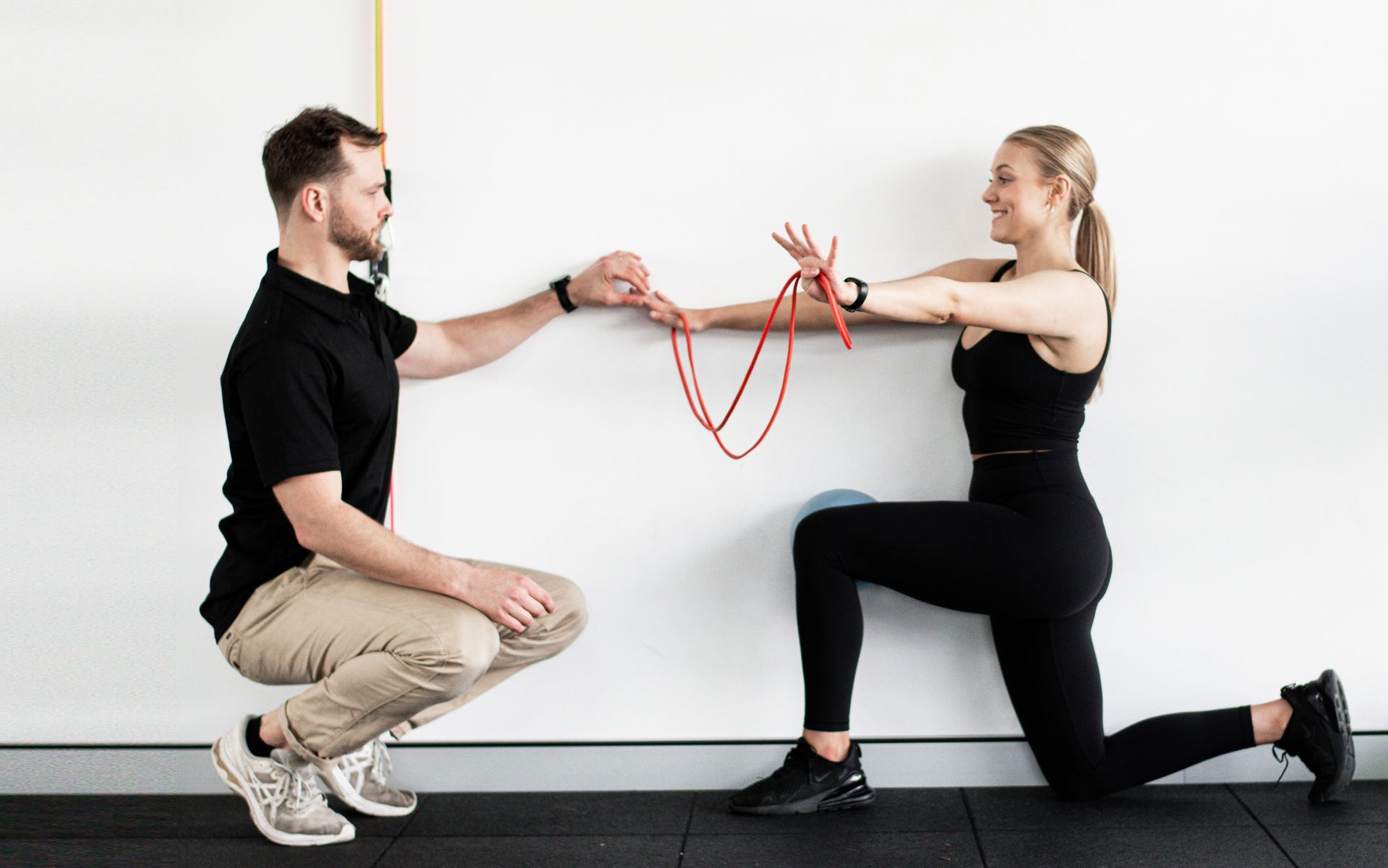
The broader evidence base confirms this position. Research consistently shows that massage is most valuable not as a direct performance enhancer but as an indirect performance tool, reducing the barriers to training, managing fatigue, and keeping athletes physically and psychologically ready to absorb the next session. When that effect is coordinated within a physiotherapy-led performance programme , the outcomes are greater than the sum of the parts.
Athletes based in the Inner West and South Sydney corridor have access to exactly this kind of integrated care at our Alexandria clinic. If you are curious about whether your current recovery approach is as effective as it could be, the starting point is always a proper clinical assessment rather than booking a session and hoping for the best.
Frequently Asked Questions
What is the difference between remedial massage and sports massage?
Remedial massage is a broader clinical discipline that involves assessment and targeted treatment of specific soft tissue dysfunctions. Sports massage is a subset that is specifically applied in the context of athletic training and competition. In practice, a well-trained remedial massage therapist working with athletes will use sports massage techniques as part of their toolkit, but the remedial framework gives them a more comprehensive clinical basis for deciding what to treat and how.
How often should an athlete get remedial massage during a competitive season?
The honest answer depends on training load, the athlete's injury history, and what the massage is being used to address. A general guide for athletes in moderate to high training volume is every one to two weeks during the season. Athletes recovering from injury or in a particularly heavy training block may benefit from more frequent sessions. Your physiotherapist is better placed than any general guideline to advise on the right frequency for your specific situation.
Will remedial massage make me sore the next day?
It can, particularly after a first session or after deep tissue work on a very restricted area. This post-massage soreness typically peaks within 24 hours and resolves within 48 hours. It is not damage. It is a normal tissue response to mechanical stimulus and the early stages of the inflammatory repair process. Communicating your pressure preferences to the therapist and staying well hydrated post-session both help manage this response.
Can remedial massage help prevent injuries, or is it only useful for recovery?
Both. Remedial massage as a preventive tool works by maintaining tissue quality, identifying areas of excessive tension or restriction before they progress to injury, and improving the range of motion available for athletic movement. Consistent massage through a training season gives a therapist with clinical knowledge the opportunity to flag tissue changes early, well before they become structural problems. Many of the injuries we see could have been avoided with earlier soft tissue management.
Is it better to see a physiotherapist or a remedial massage therapist for sports recovery?
The most effective answer is both, within a coordinated plan. A physiotherapist brings diagnostic capability, exercise prescription, and a structural understanding of injury and movement dysfunction. A remedial massage therapist brings hands-on soft tissue management skills. The two are complementary. At Alexandria Physiotherapy, our practitioners work within an integrated model precisely because athletes get better outcomes when their manual therapy and their exercise rehabilitation are informed by the same clinical picture.
Does remedial massage actually reduce inflammation, or is that a myth?
The relationship between massage and inflammation is more nuanced than a simple yes or no. Research suggests that massage does not directly suppress the inflammatory response in a way that compromises tissue repair. Rather, it appears to modulate the inflammatory environment, contributing to reduced pain perception, reduced muscle soreness, and faster functional recovery. The goal is not to shut down inflammation. It is to keep it proportionate and efficient.
If you have used remedial massage as part of your sports recovery or rehabilitation, we would genuinely like to hear what worked for you and what did not - share your experience in the comments below.
References
- NIH PMC review: physiological benefits of massage therapy in athletes and evidence overview
- PubMed meta-analysis: sports massage effects on flexibility and delayed onset muscle soreness
- Frontiers in Physiology systematic review and meta-analysis: massage and DOMS after strenuous exercise
- NIH PMC review: massage therapy, fatigue reduction, psychological recovery, and athletic performance
- NIH PMC crossover study: massage effects on inflammatory markers after high-intensity intermittent sprint exercise