

Exercise Rehabilitation Sydney: Injury to Peak Performance
Most people who get injured focus entirely on pain relief. They stop when the pain stops, head back to sport or the gym too soon, and wonder why the same injury comes back three months later. Exercise rehabilitation is the discipline that closes this gap. It is not stretching on a treatment table or icing a sore joint. It is a structured, progressive process that rebuilds capacity from the tissue level up, using load, movement, and clinical decision-making to take you from injured to performing at your best. At an elite exercise rehabilitation Sydney clinic like Alexandria Physiotherapy and Sports Injury, the goal is never just to get you out of pain. The goal is to get you back to full function, with less risk of it happening again.
Table of Contents
- What Is Exercise Rehabilitation?
- The Five Phases of Rehabilitation: Acute to Elite Performance
- Progressive Loading: The Engine of Recovery
- Rehab Gym vs. Treatment Table: Why the Difference Matters
- Return to Sport Criteria: What Actually Clears You to Play
- Common Injuries Treated with Exercise Rehabilitation in Sydney
- Performance Enhancement: What Happens After You Have Recovered
- Frequently Asked Questions
Quick Takeaways
| Key Insight | Explanation |
|---|---|
| Pain relief is not the finish line | Tissue can feel fine well before it has regained the strength, coordination, and load tolerance needed for sport or physical work. Stopping at pain-free is the most common cause of reinjury. |
| Progressive loading drives tissue adaptation | Muscles, tendons, and bones strengthen only when exposed to appropriate, graduated stress. Too little load stalls recovery; too much load too soon creates new damage. |
| An on-site rehab gym changes outcomes | Rehabilitation performed in a fully equipped gym environment allows clinicians to replicate real sport and work demands, rather than stopping at basic movement patterns on a treatment plinth. |
| Return-to-sport is a multi-domain decision | Clearance depends on restored strength, neuromuscular control, sport-specific fitness, and psychological readiness. A single pain-free test is never enough. |
| Elite sporting experience improves outcomes for everyday patients | Physiotherapists who work at professional sporting level apply the same standards of assessment and programming to every patient, not just elite athletes. |
| Exercise rehabilitation and performance enhancement overlap | Once you return to baseline, a well-structured program can take you beyond your pre-injury level. Many patients finish stronger than before they were hurt. |
| Program individualisation is non-negotiable | A weekend footballer, a construction worker, and a marathon runner have completely different demands. Their rehabilitation must reflect those demands, not a generic protocol. |
What Is Exercise Rehabilitation?
Exercise rehabilitation is the clinical application of targeted physical activity to restore function after injury, surgery, or illness. It is distinct from general fitness training because every exercise choice is driven by a specific clinical objective: reducing tissue stress at one stage, rebuilding tensile strength at another, and restoring sport-specific movement patterns at the final stage.
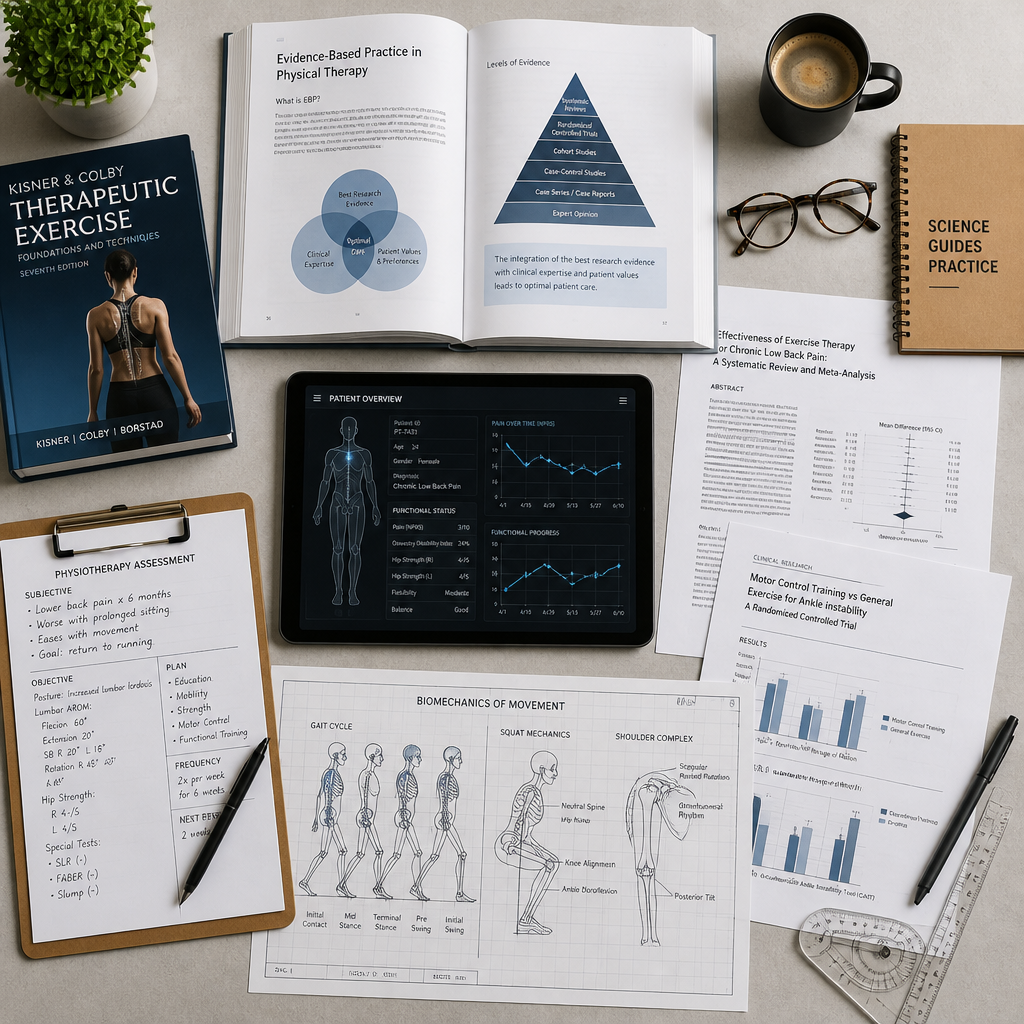
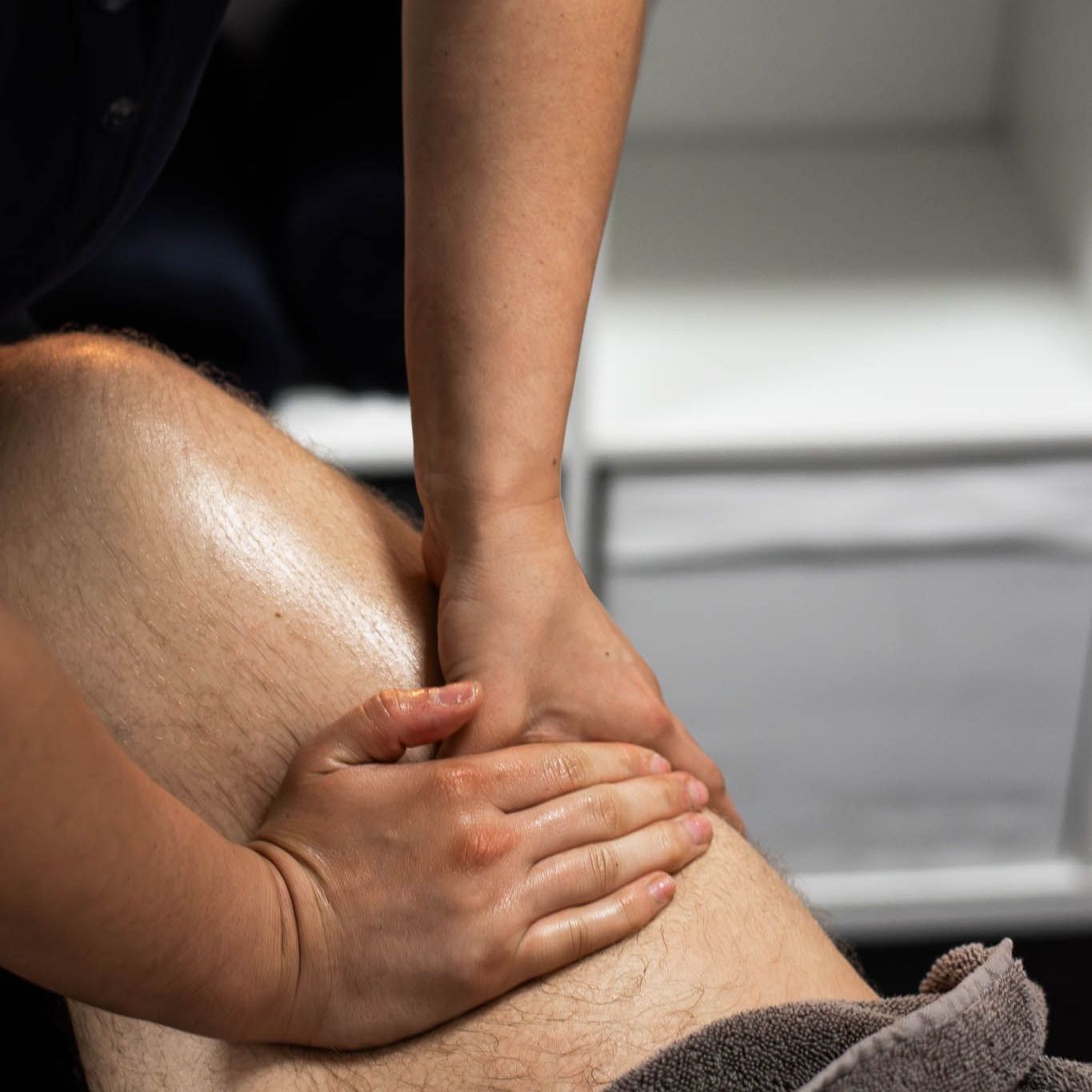
The evidence base for exercise rehabilitation is clear. Passive treatments such as massage, dry needling, and manual therapy play an important role in the early stages of care, but they do not create the tissue adaptation needed for a durable return to function. Active rehabilitation, anchored in graded exercise , is what changes the long-term outcome.
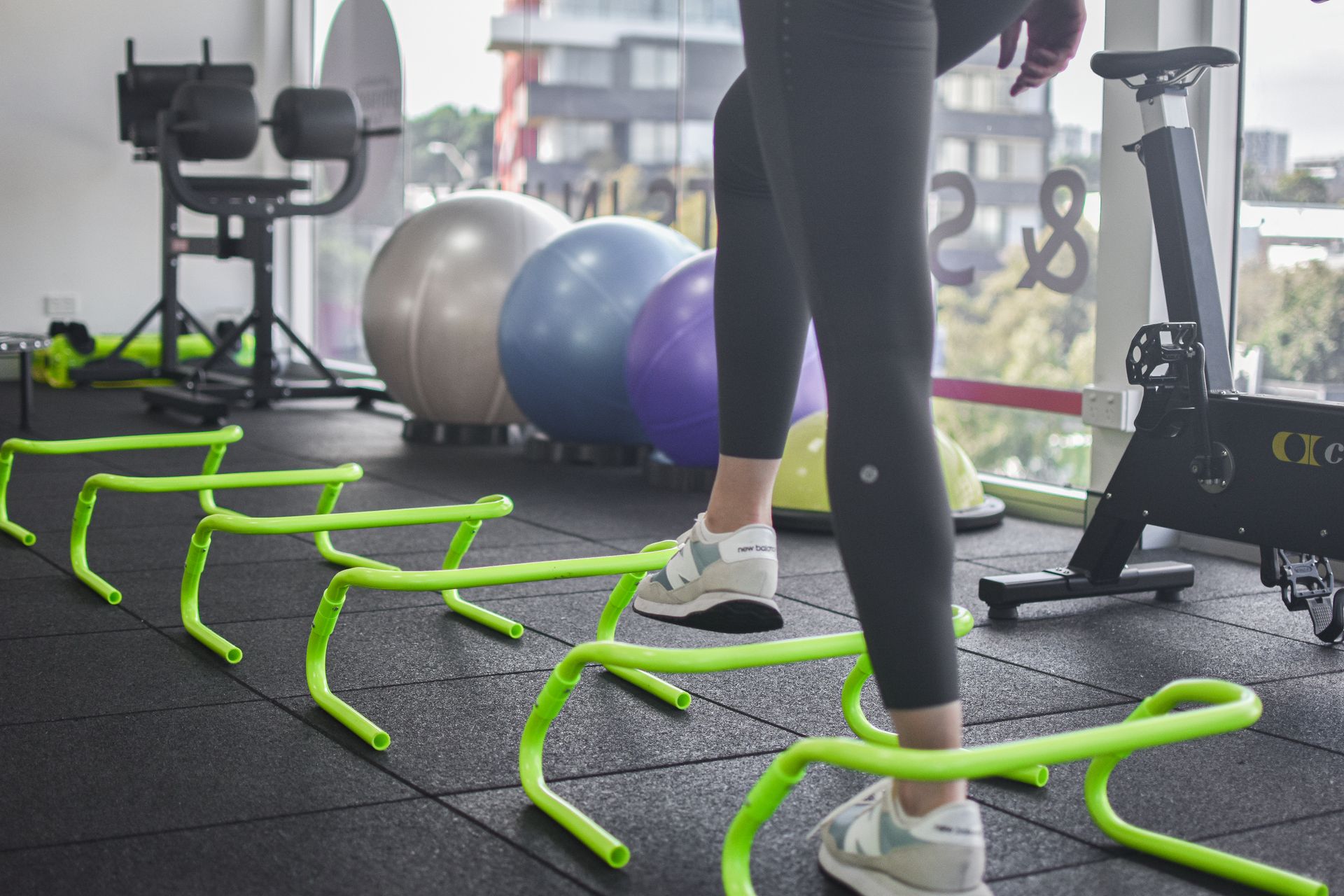
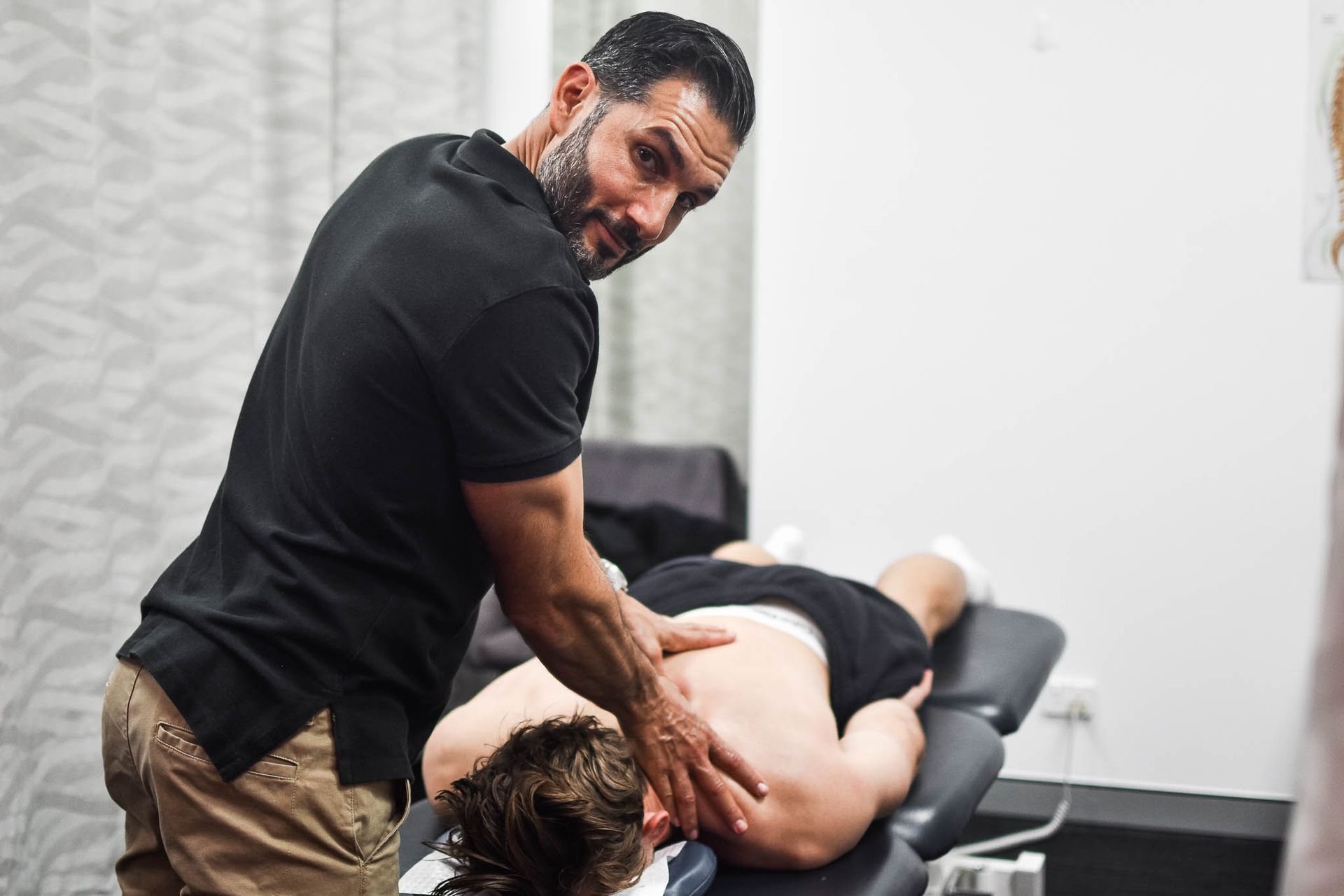
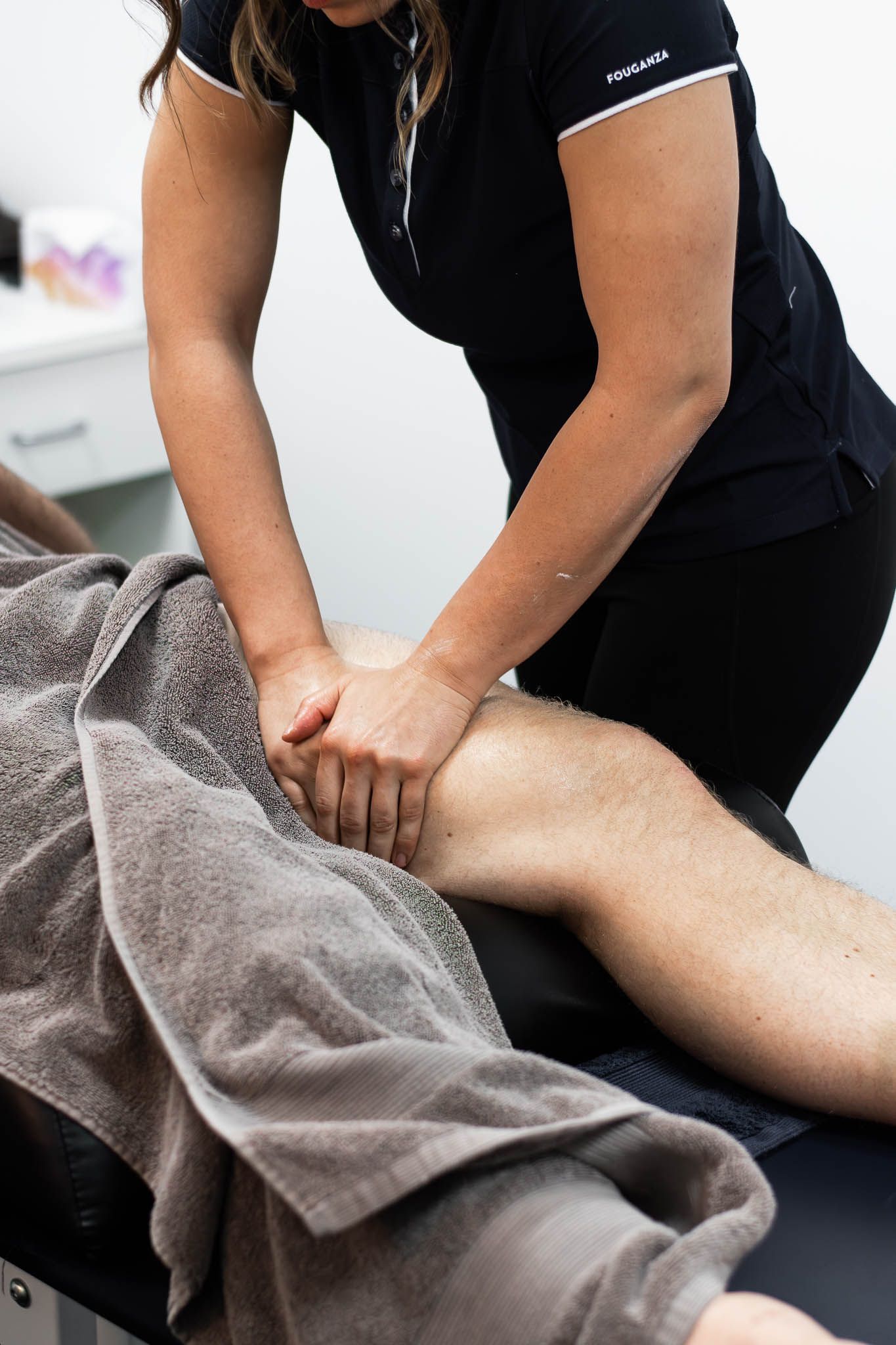
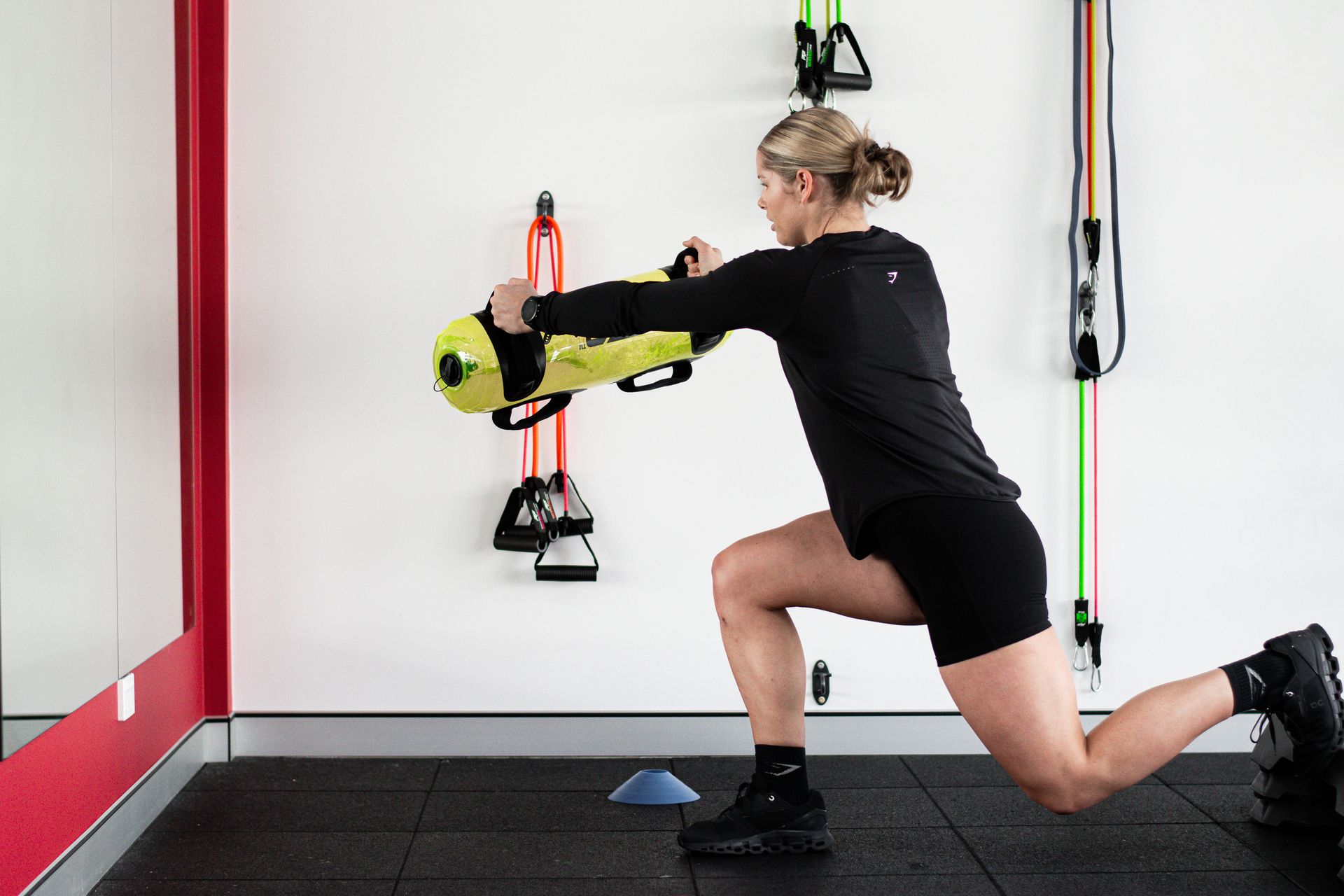
At Alexandria Physiotherapy and Sports Injury, the treatment approach is evidence-based, hands-on, and places a strong emphasis on patient education alongside exercise rehabilitation. The clinic is fully equipped with a functional gym, which allows rehabilitation to progress far beyond basic movement drills and into the kind of loading that actually mirrors the demands of your sport, job, or lifestyle.
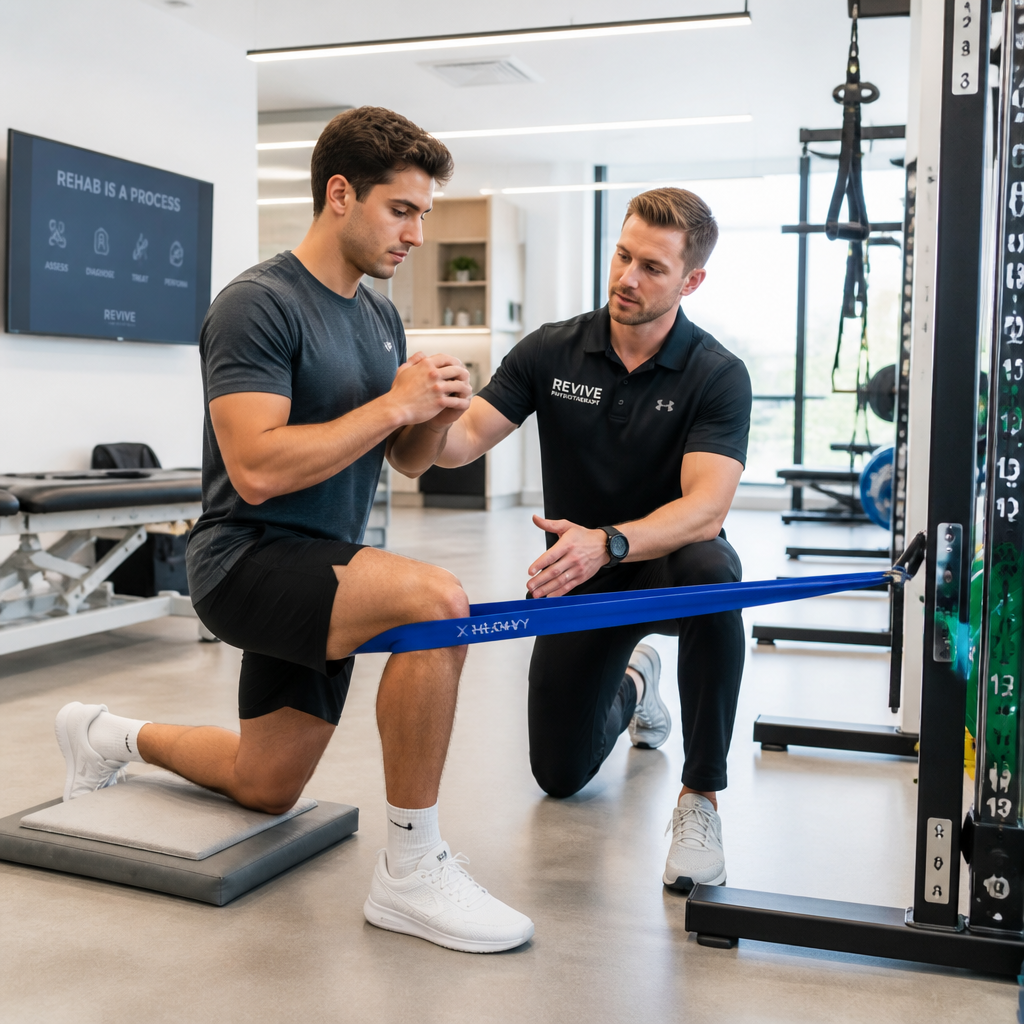
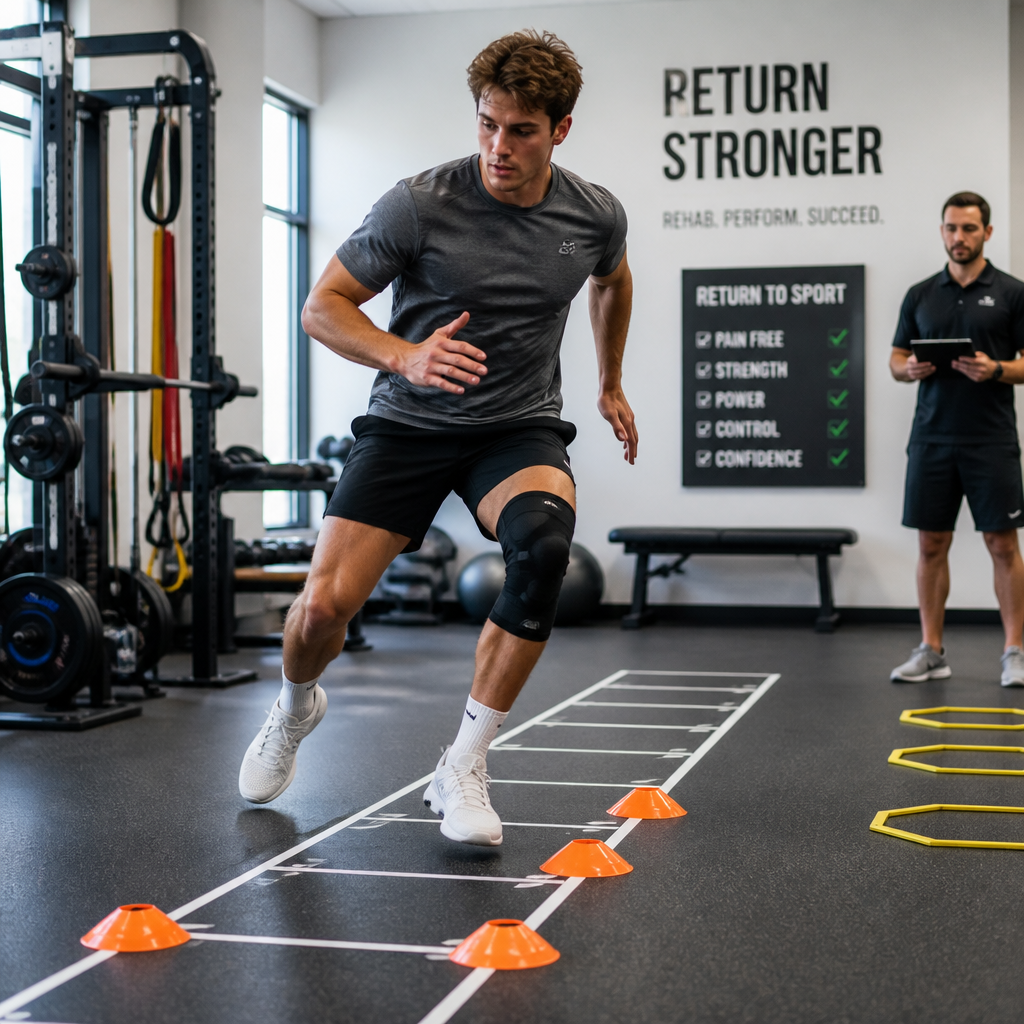
The Five Phases of Rehabilitation: Acute to Elite Performance
Rehabilitation does not follow a single straight line. It moves through distinct phases, each with its own goals, appropriate exercises, and progression criteria. Jumping phases is the primary reason people re-injure themselves.
Phase 1: Acute Phase (Protection and Pain Control)
In the first days after injury, the priority is protecting the damaged tissue and managing the inflammatory response. Exercise at this stage is gentle, aimed at maintaining circulation and preventing the deconditioning that comes from complete rest. Isometric contractions, range-of-motion work within a pain-free arc, and controlled weight-bearing are typical tools.
A common mistake in this phase is doing too much too soon under the belief that pushing through pain accelerates recovery. It does not. Poorly managed early loading prolongs the inflammatory phase and can convert a straightforward soft tissue injury into a more complex rehabilitation problem.
Phase 2: Subacute Phase (Restoring Mobility and Early Strength)
As acute pain and swelling settle, the focus shifts to restoring range of motion and introducing progressive strength work. Exercises become more active, joint mobility is challenged through larger movement arcs, and basic neuromuscular control work begins. The injured tissue is now ready to accept some load, and this is when rehabilitation starts to feel like purposeful exercise rather than just gentle movement.
Phase 3: Strength and Functional Loading Phase
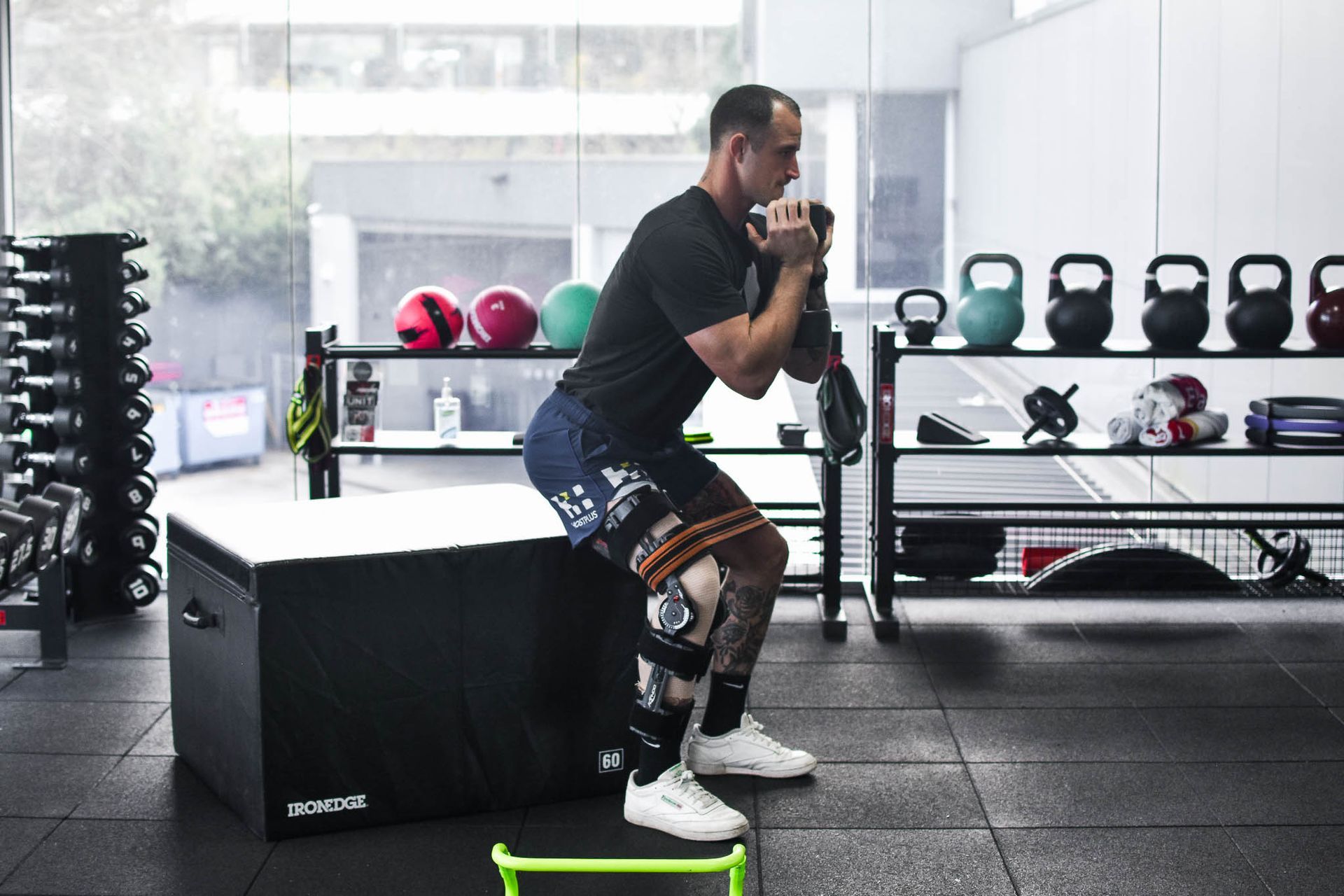
This is where the real work happens. Progressive resistance training is introduced to rebuild the strength, power, and endurance deficits caused by both the injury and the time spent protecting it. Exercises become compound and functional. A knee injury rehabilitation program, for example, will involve loaded squatting, single-leg work, and controlled landing mechanics.
For athletes, this phase also reintroduces the cardiovascular demands of their sport. Letting fitness erode completely during rehabilitation creates a second injury risk when they return to full training.
Phase 4: Sport-Specific and Conditioning Phase
Movement now mirrors the actual demands of the athlete's sport or physical occupation. Running progressions, direction-change drills, overhead loading for throwing athletes, deceleration mechanics for field sport players. The rehabilitation environment needs to match these demands, which is exactly why an on-site rehab gym matters at this stage.
Phase 5: Return to Performance Phase
The final phase focuses on maximising athletic potential, not just returning to a pre-injury baseline. Speed, power output, reactive agility, and sport-specific skill integration are developed. Objective performance benchmarks are measured and compared to pre-injury data or normative standards for the athlete's sport and age group. Clearance to full competition is confirmed at this point, using agreed clinical criteria rather than guesswork.
Pro tip: Ask your physiotherapist to document your entry-point strength and movement measures at assessment. These become your benchmark for every phase, and they are the only objective way to confirm you are actually ready to progress.
Progressive Loading: The Engine of Recovery
Every tissue in the body adapts to load. Tendons become stiffer and more resilient when exposed to progressive tensile stress. Muscle fibres rebuild and hypertrophy in response to resistance training. Bone remodels along lines of mechanical force. None of this happens with rest alone, and it does not happen if the load is too low to stimulate adaptation.
The body responds to what you demand of it. Under-load a healing tissue and it heals weak. Challenge it progressively and systematically, and it comes back stronger than before the injury.
Evidence from sports medicine research shows that excessive load progression, particularly increases greater than roughly 10 to 15 percent per week, significantly elevates reinjury risk. The optimal zone sits between sufficient stimulus for adaptation and insufficient stimulus to cause overload. Identifying that zone for each patient, at each phase, is the core clinical skill in exercise rehabilitation.
At Alexandria Physiotherapy and Sports Injury, progressive loading is not left to guesswork. Programs are designed with specific sets, reps, load parameters, and tempo, and they are modified at each session based on the patient's response. This is not the same as handing someone a sheet of generic exercises and reviewing them in two weeks.
Pro tip: Soreness at 24 to 48 hours after a rehabilitation session is normal and expected. Pain during exercise or pain that does not resolve within 24 hours of a session is a signal that load needs to be reviewed. Keep a simple log of your post-exercise response and share it with your physio at every appointment.
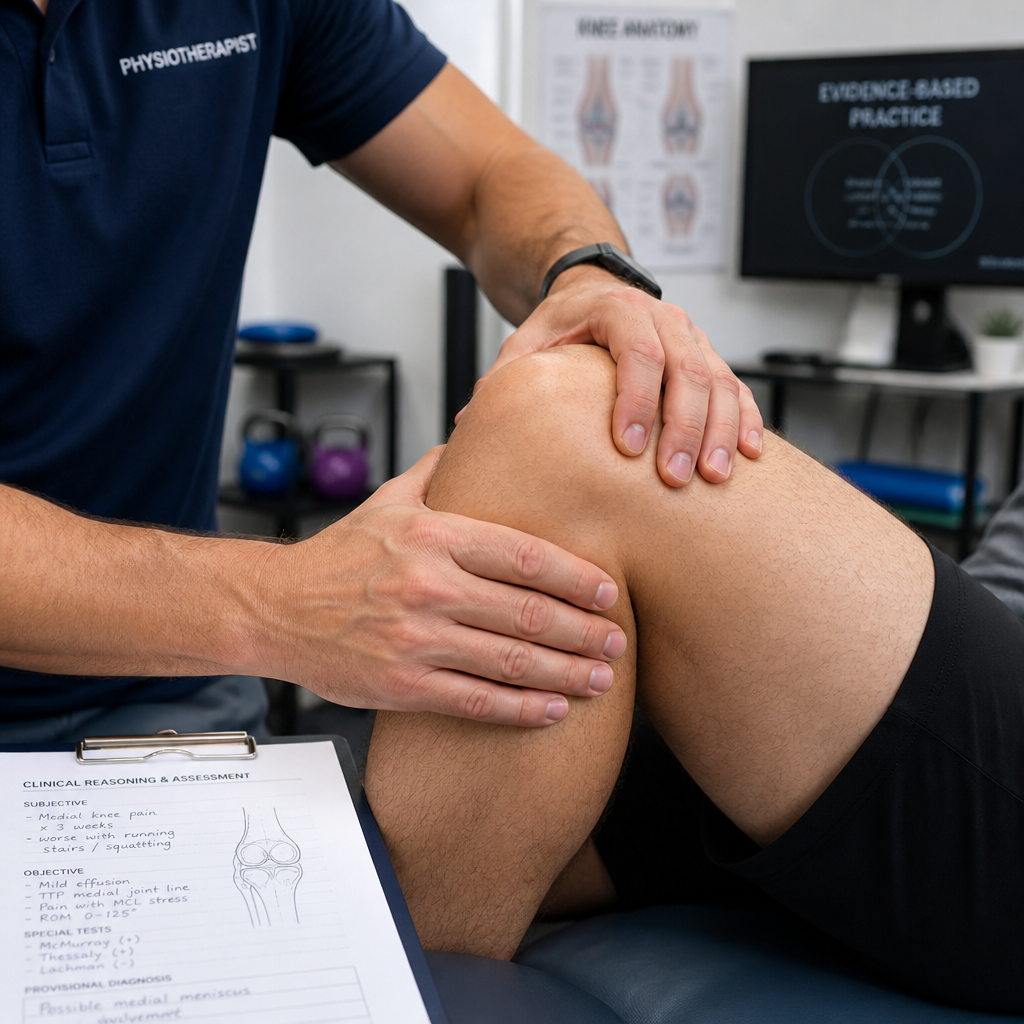
Rehab Gym vs. Treatment Table: Why the Difference Matters
Rehabilitation that stays on the treatment table has a ceiling. Manual therapy, dry needling, and passive modalities have genuine value in the early stages of care. But they cannot replicate the mechanical demands of running, jumping, lifting, or changing direction at speed. At some point, the patient has to do those things under clinical supervision before they do them unsupervised in their sport or job.
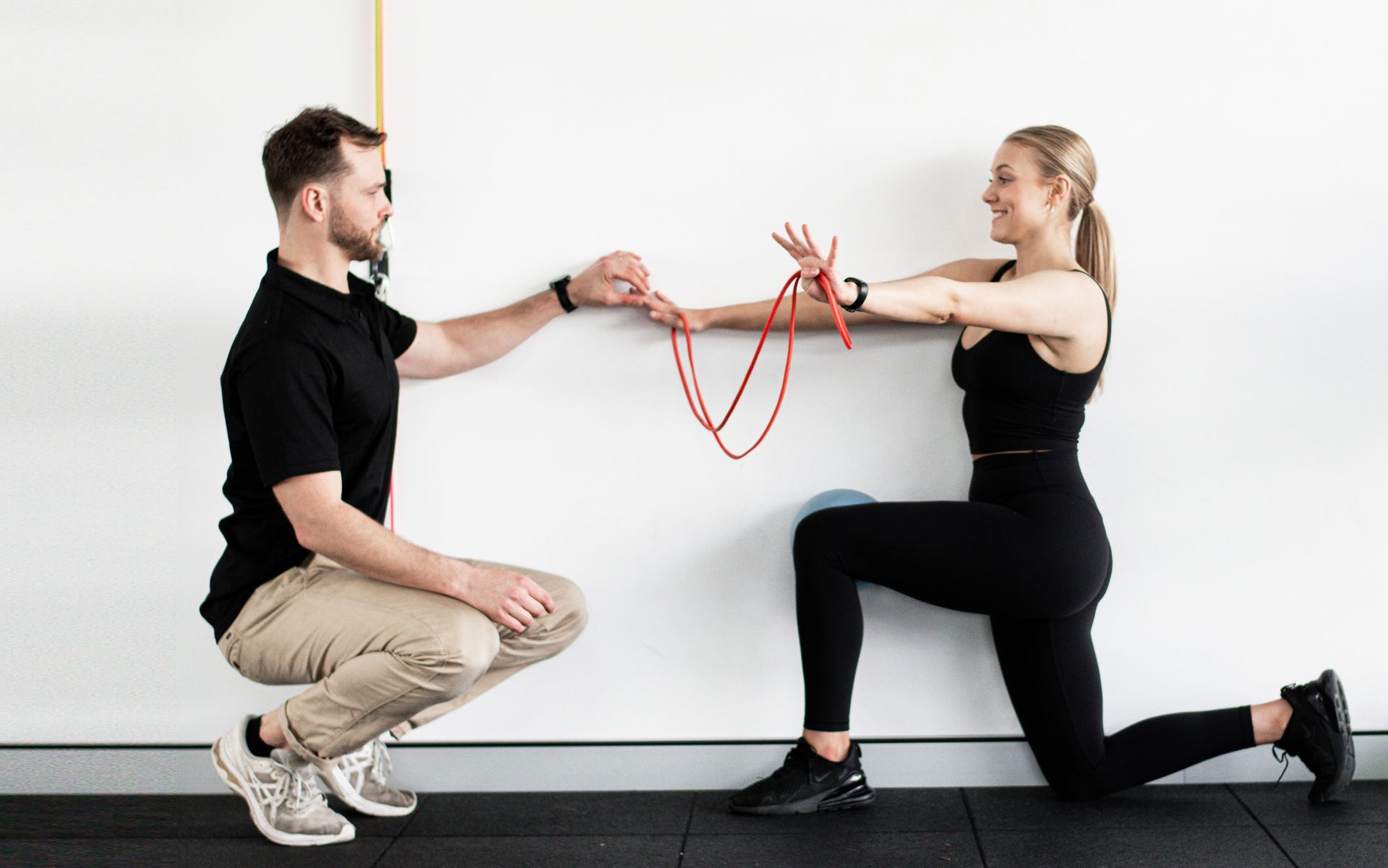
This is the core argument for an integrated rehab gym Alexandria model. When physiotherapists can watch a patient perform loaded squats, lateral bounds, or throwing patterns in a gym environment, they catch compensatory movement patterns and strength asymmetries that are completely invisible during a manual therapy assessment.
The comparison below outlines how different rehabilitation environments handle the key demands of recovery:
| Rehabilitation Setting | Strengths | Limitations |
|---|---|---|
| Treatment table only (passive care) | Effective for pain management, manual therapy, and acute phase support | Cannot progress loading, cannot replicate sport demands, leaves strength and conditioning deficits unaddressed |
| Gym-based rehab without clinical oversight | Good access to equipment and cardiovascular training | Risk of loading the wrong tissue or progressing too fast without clinical monitoring; compensatory patterns can go undetected |
| Integrated physiotherapy and rehab gym (clinician-supervised) | Full progression from acute care to sport-specific loading under expert clinical oversight; movement errors identified and corrected in real time | Requires a clinic with appropriate gym infrastructure and experienced clinicians |
Alexandria Physiotherapy and Sports Injury operates the integrated model. The clinic's fully functional gym sits within the same facility as the clinical treatment space, meaning the transition from hands-on care to supervised exercise happens within a single appointment and under the same clinical eye.
Return to Sport Criteria: What Actually Clears You to Play
Return-to-sport decision-making is more nuanced than most patients expect. Feeling ready is not enough, and being pain-free is not enough. Research supports a multi-domain approach to clearance that covers several distinct areas.
Strength and Symmetry
Side-to-side strength asymmetry is one of the most reliable markers of incomplete recovery. For lower-limb injuries in particular, the injured limb typically needs to demonstrate strength output within a specific percentage of the uninjured side before progressive return to full training is appropriate. The exact threshold varies by injury type and sport, but the principle is consistent across the literature.
Neuromuscular Control and Movement Quality
Strength alone does not guarantee safe return. Neuromuscular control , the ability of the nervous system to coordinate muscle activation for joint stability during dynamic movement, is a separate quality that needs specific assessment. Landing mechanics, deceleration control, and reactive agility tasks are used to evaluate this.
Sport-Specific Fitness
An athlete who has been sidelined for eight weeks cannot absorb the cardiovascular and mechanical demands of a full training session, even if their injured tissue is completely recovered. Return to sport follows a graded exposure model: modified training first, then full training, then limited game time, then full competition. Each step is confirmed before the next is added.
Psychological Readiness
Fear of reinjury is clinically significant and well-documented as a risk factor for actual reinjury. Athletes who return to sport with high kinesiophobia, the fear of pain and movement, demonstrate altered movement patterns that increase mechanical risk. Psychological readiness is assessed as part of the return-to-sport process at Alexandria Physiotherapy, not treated as an afterthought.
Common Injuries Treated with Exercise Rehabilitation in Sydney
Exercise rehabilitation applies across a wide spectrum of injuries. The principles remain consistent: accurate diagnosis, phase-appropriate loading, and objective clearance criteria. The specific program is different for every injury and every person.
The injuries most frequently managed through structured exercise rehabilitation at a Sydney sports physiotherapy clinic include:
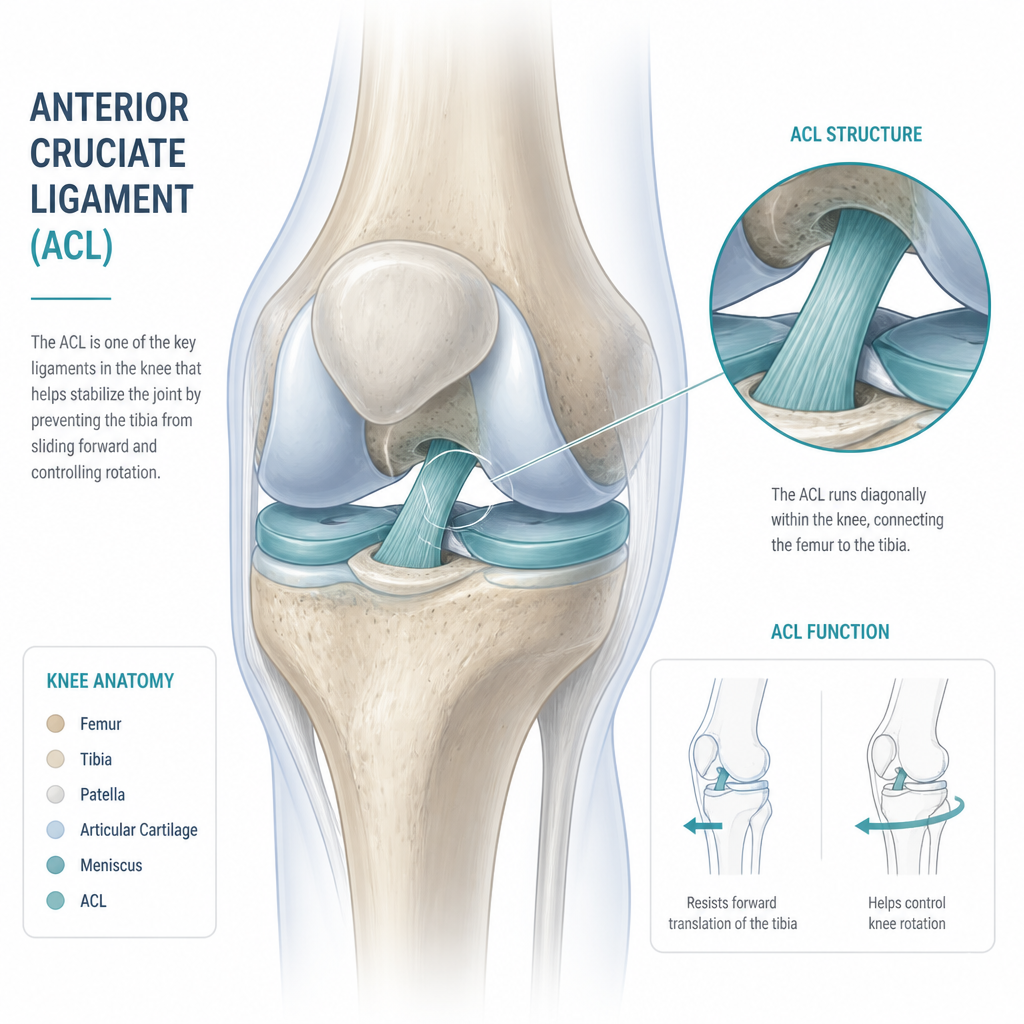
- ACL injuries and post-surgical reconstruction. ACL rehabilitation is one of the most evidence-demanding areas of sports physio. Return-to-sport timelines in the literature consistently show that strength asymmetry and psychological readiness are better predictors of reinjury than time alone.
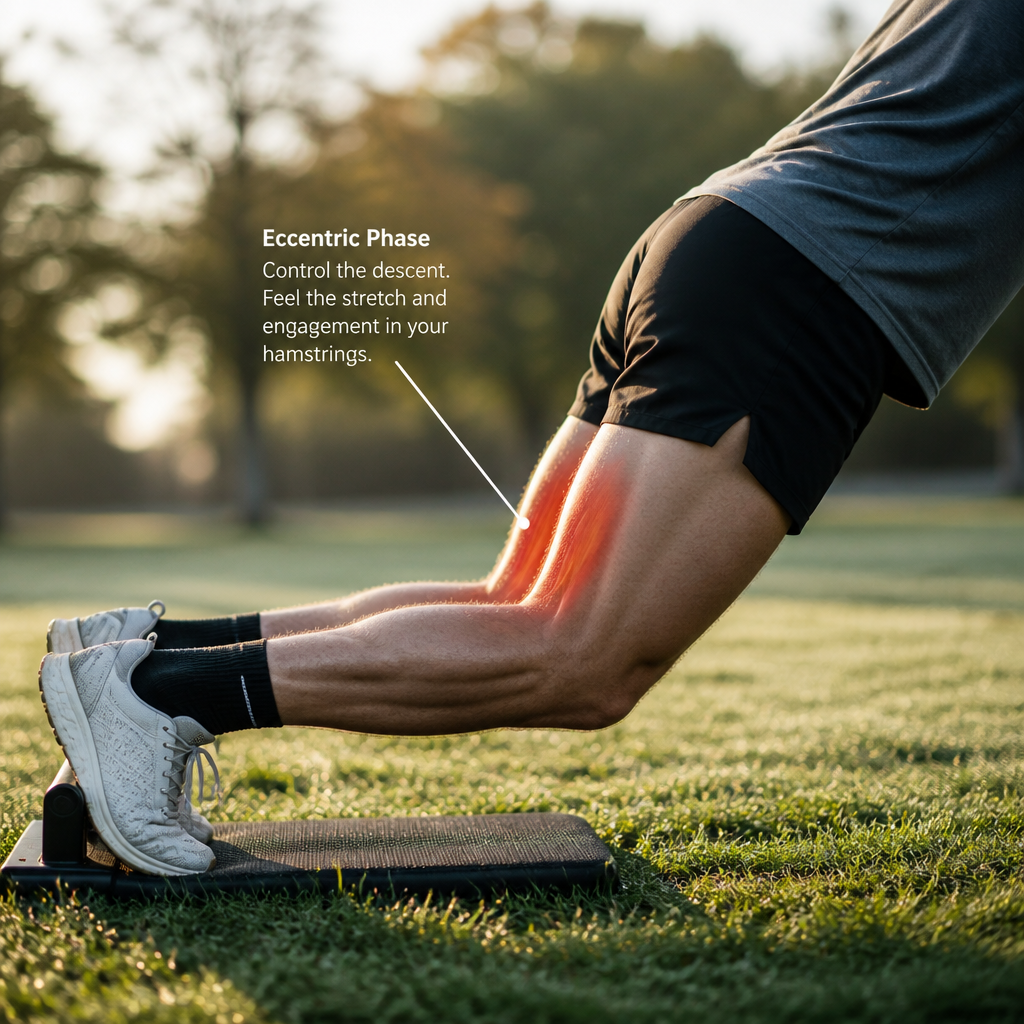
- Hamstring strains. Recurrent hamstring injury is almost always a rehabilitation failure, not a tissue failure. The injury recurs because the athlete returns to sport before the muscle has regained eccentric strength at full range.
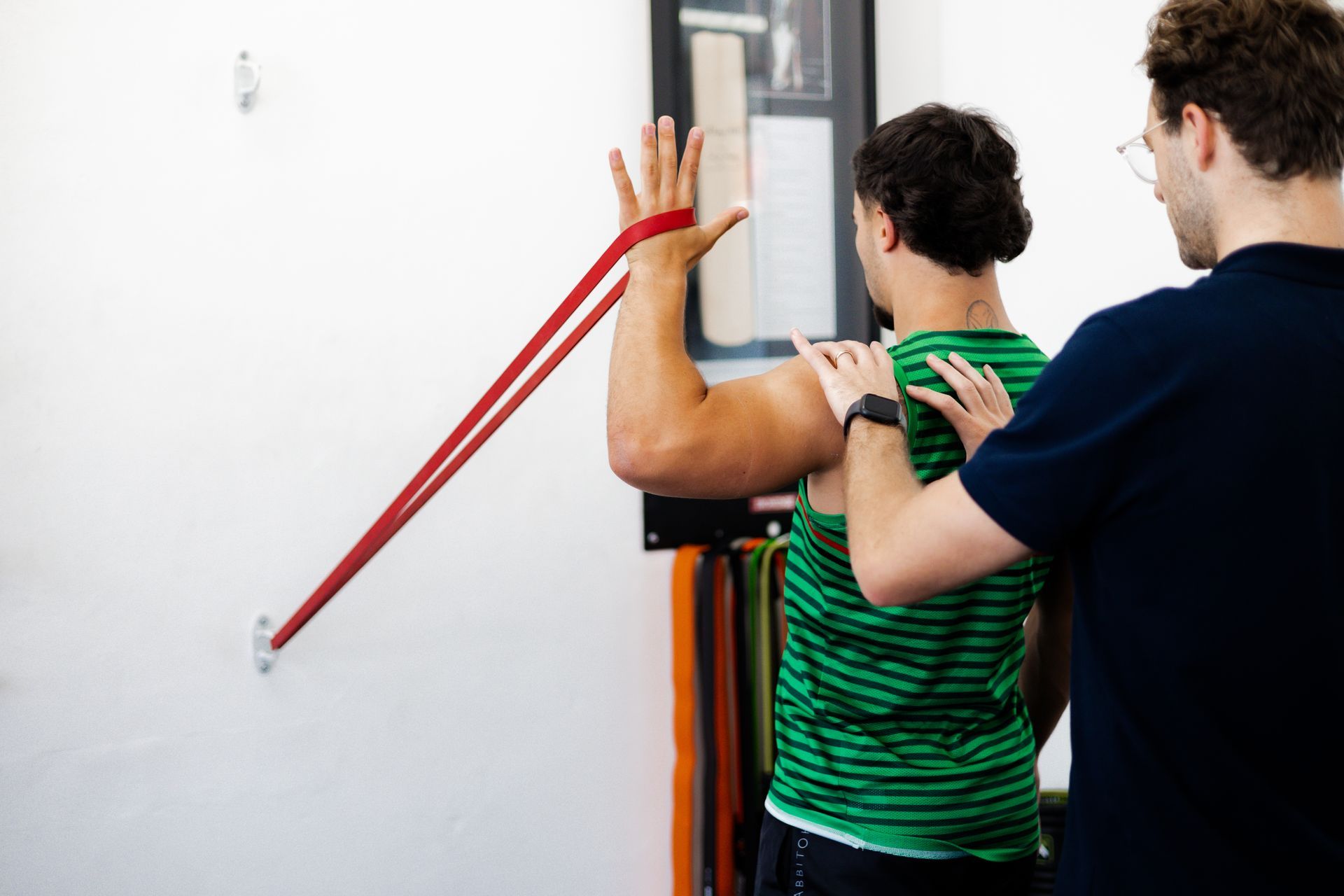
- Rotator cuff injuries. Whether post-surgical or conservatively managed, shoulder rehabilitation requires meticulous progressive loading of the rotator cuff and periscapular musculature before any return to overhead or throwing activity.
- Ankle sprains. Lateral ankle sprains are among the most under-rehabilitated injuries in sport. Most people stop care when swelling resolves, leaving proprioceptive deficits that drive chronic instability and repeated sprains.
- Lower back pain. Exercise rehabilitation for lower back pain is the most well-supported intervention in the evidence base. A tailored program addressing strength, movement control, and load tolerance consistently outperforms passive treatment alone.
- Patellofemoral pain and patellar tendinopathy. Both conditions require careful progressive loading protocols that manage patellofemoral joint stress while gradually rebuilding tendon and muscle capacity.
Across all of these, the thread is the same. The injury itself is only the starting point. The quality of the rehabilitation program determines the outcome.
Performance Enhancement: What Happens After You Have Recovered
Many athletes make the mistake of stopping rehabilitation at the point of clinical discharge. They return to sport, feel fine, and assume the job is done. What they miss is the opportunity that rehabilitation creates.
Returning to baseline after injury means returning to the same movement patterns, strength levels, and physical habits that either contributed to the injury or failed to prevent it. A proper injury to performance physio model does not stop at baseline. It uses the rehabilitation process as a platform to build qualities the athlete may not have had before they were injured.
This is especially relevant for athletes who have never done structured strength and conditioning work. A hamstring strain in a field sport athlete, properly rehabilitated, can become the trigger for building genuine posterior chain strength for the first time. A shoulder injury in a throwing athlete can lead to the kind of rotator cuff and scapular stability work that actually improves throwing velocity and endurance.
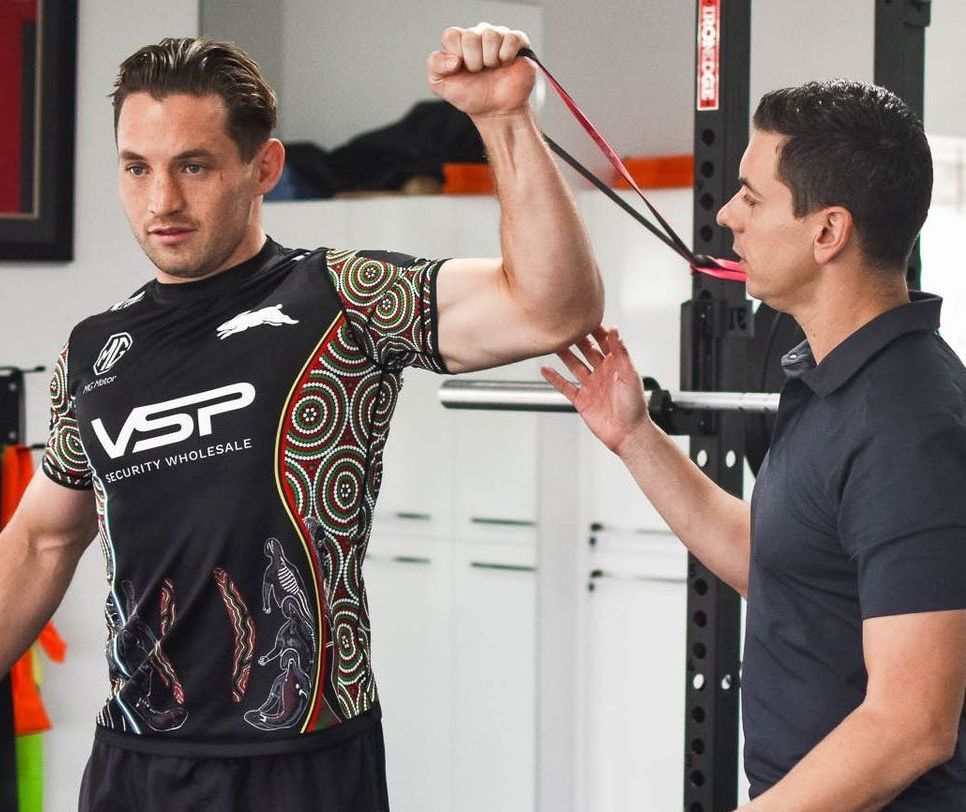
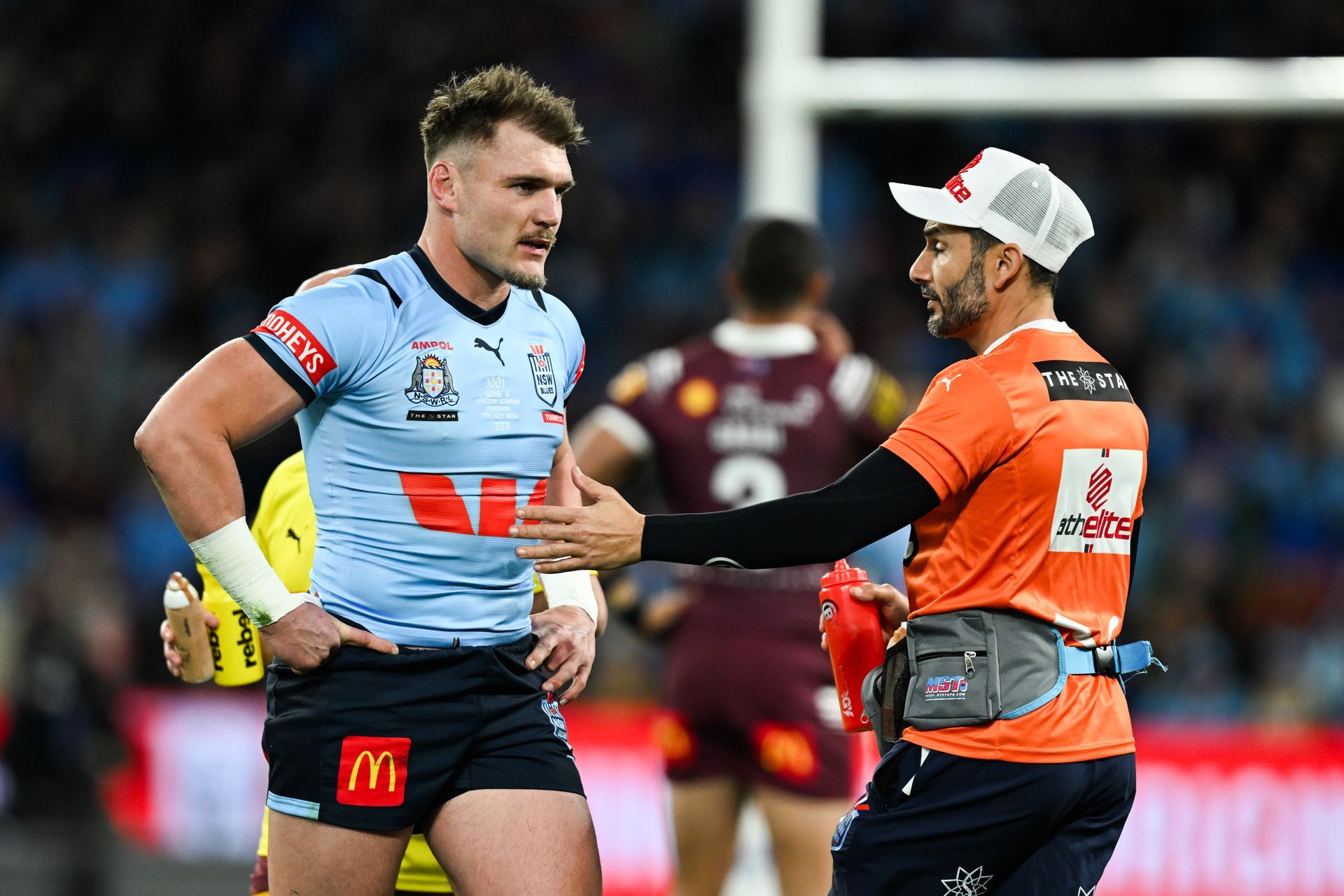
The physiotherapists at Alexandria Physiotherapy and Sports Injury bring extensive experience from elite sporting environments. That means the same performance standards applied to professional athletes in the NSW Blues program and other high-level sporting organisations are applied to every patient who walks through the door, regardless of their level of competition.
Pro tip: Before your final discharge session, ask your physiotherapist to outline the three to five physical qualities most likely to reduce your injury risk going forward. This becomes your off-season or maintenance training target, and it is far more specific than a generic fitness program.
Frequently Asked Questions
How long does exercise rehabilitation take?
The timeline depends entirely on the injury type, severity, your pre-injury fitness level, and your rehabilitation goals. A straightforward ankle sprain might be fully rehabilitated in six to eight weeks. An ACL reconstruction with a return-to-high-level-sport target typically requires nine to twelve months of structured rehabilitation. A useful rule: time estimates from your physiotherapist are always more reliable than generic timelines you find online, because they are based on your actual assessment findings.
Can I do exercise rehabilitation if I am not a competitive athlete?
Absolutely. Exercise rehabilitation is appropriate for anyone with a musculoskeletal injury or functional limitation, whether you are a weekend recreational runner, a tradesperson with a shoulder injury, or an office worker with chronic lower back pain. The program is scaled to your demands and your goals. The principles of progressive loading, movement quality, and objective progression are the same regardless of your level of activity.
What is the difference between a physiotherapist-supervised gym program and a regular gym program?
A physiotherapist-supervised rehabilitation program is designed around your specific injury, your movement assessment findings, and your clinical phase. Every exercise choice has a clinical rationale. Load parameters are set to drive tissue adaptation without exceeding your current capacity. Movement errors are corrected in real time. A regular gym program, even a well-designed one, does not account for these factors, and it cannot detect the compensatory patterns that create secondary injury risk.
What does an initial exercise rehabilitation assessment involve?
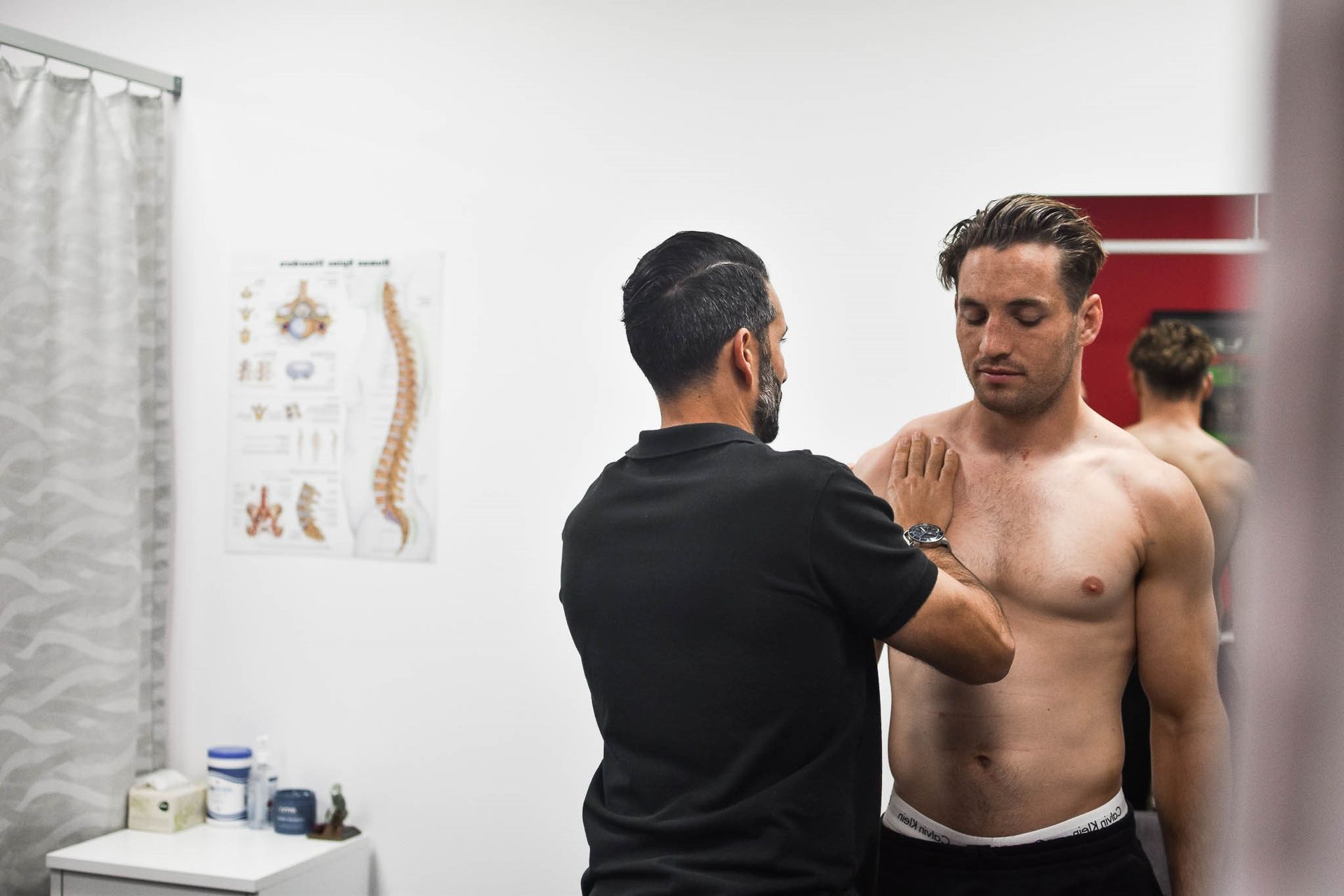
At Alexandria Physiotherapy and Sports Injury, the initial assessment includes a detailed injury history, a thorough movement screen, strength and range-of-motion testing, and a discussion of your functional goals. From this, a stage-appropriate rehabilitation program is designed. You will leave the first appointment with a clear understanding of your injury, your current deficits, and what the rehabilitation program is designed to address.
How do I know when I am ready to return to sport or full training?
Readiness is determined across multiple domains: strength symmetry between sides, quality of movement under load, sport-specific fitness, and psychological confidence. Your physiotherapist will use objective tests, not just symptom reports, to make this decision. At Alexandria Physiotherapy, clearance to return to sport follows clinical criteria, and you will always know exactly what you need to demonstrate before the next step is taken.
Does Medicare or private health insurance cover exercise rehabilitation in Sydney?
Physiotherapy services in Australia are covered by most private health insurance extras policies, and rebate amounts vary by fund and policy level. Medicare covers a limited number of physiotherapy visits for patients under a GP's Chronic Disease Management plan. It is worth confirming your specific rebate with your insurer before your first appointment. Alexandria Physiotherapy accepts most major health funds.
I had the same injury before and it came back. What is different this time?
Recurrent injury almost always signals incomplete rehabilitation the first time around. The tissue healed enough to stop hurting, but the strength, neuromuscular control, and load tolerance deficits were never addressed. This time, the difference is an objective assessment of exactly what is still deficient, and a program designed to address those deficits fully, not just until symptoms resolve. This is the core of what evidence-based exercise rehabilitation delivers.
If you have been through the cycle of injury, partial recovery, and reinjury, we would genuinely like to hear what has and has not worked for you. Leave a comment below or reach out to the team at Alexandria Physiotherapy and Sports Injury to discuss your specific situation.
References
- Sports Rehabilitation Phases: A Literature Review covering the stages of exercise rehabilitation for injured athletes
- Evidence-based guide to graded return-to-sport criteria after musculoskeletal injury
- Clinical guide to progressive exercise program design in physiotherapy rehabilitation
- Evidence-based load progression protocols for returning to strength training after injury
- PubMed research on graded stress-exposure frameworks for return-to-sport rehabilitation decisions