





Evidence-Based Physiotherapy Sydney: Why It Matters
Most people choose a physiotherapist based on location or word of mouth. Few stop to ask whether the treatment they are receiving is actually supported by current research. That question matters more than most patients realise, because physiotherapy delivered without an evidence base is not simply less effective. It can actively delay recovery, reinforce unhelpful movement patterns, and leave the root cause of an injury untreated. Evidence-based physiotherapy Sydney clinics offer a fundamentally different standard of care, one where every clinical decision is grounded in the best available research, combined with genuine clinical expertise and a clear understanding of what you as a patient actually need.
Table of Contents
- What Is Evidence-Based Physiotherapy?
- The Three Pillars That Define Best Practice
- Why It Matters for Your Recovery
- Evidence-Based vs. Other Approaches: A Direct Comparison
- Sports Injury, Performance, and the Evidence Advantage
- What to Expect at an Evidence-Based Clinic in Alexandria
- Frequently Asked Questions
What Is Evidence-Based Physiotherapy?
The formal definition comes from the World Confederation for Physical Therapy, which describes evidence-based practice as "a commitment to use the best available evidence to inform decision-making about the care of individuals" , integrating individual professional judgement with evidence gained through systematic research. A widely cited refinement of this adds that clinical decisions should also incorporate patient values, ethical principles, and the physiotherapist's own expertise.
In plain terms, evidence-based physiotherapy means your treatment plan is not built on habit, tradition, or a single practitioner's preferred technique. It is built on what the research actually shows works for your specific condition, filtered through the real-world clinical experience of a skilled practitioner, and shaped around your goals, circumstances, and values.
This is not a minor distinction. The PEDro database (Physiotherapy Evidence Database, maintained by Neuroscience Research Australia) indexes more than 70,000 randomised controlled trials, systematic reviews, and clinical guidelines specifically evaluating physiotherapy interventions. That body of evidence exists to be used. Clinics that do not draw on it are, by definition, operating without the full picture.
The Three Pillars That Define Best Practice
The American Physical Therapy Association and leading physiotherapy bodies worldwide agree on a three-part model. All three elements carry equal weight. Focusing exclusively on any one of them produces inferior outcomes.
Pillar One: Best Available Research Evidence
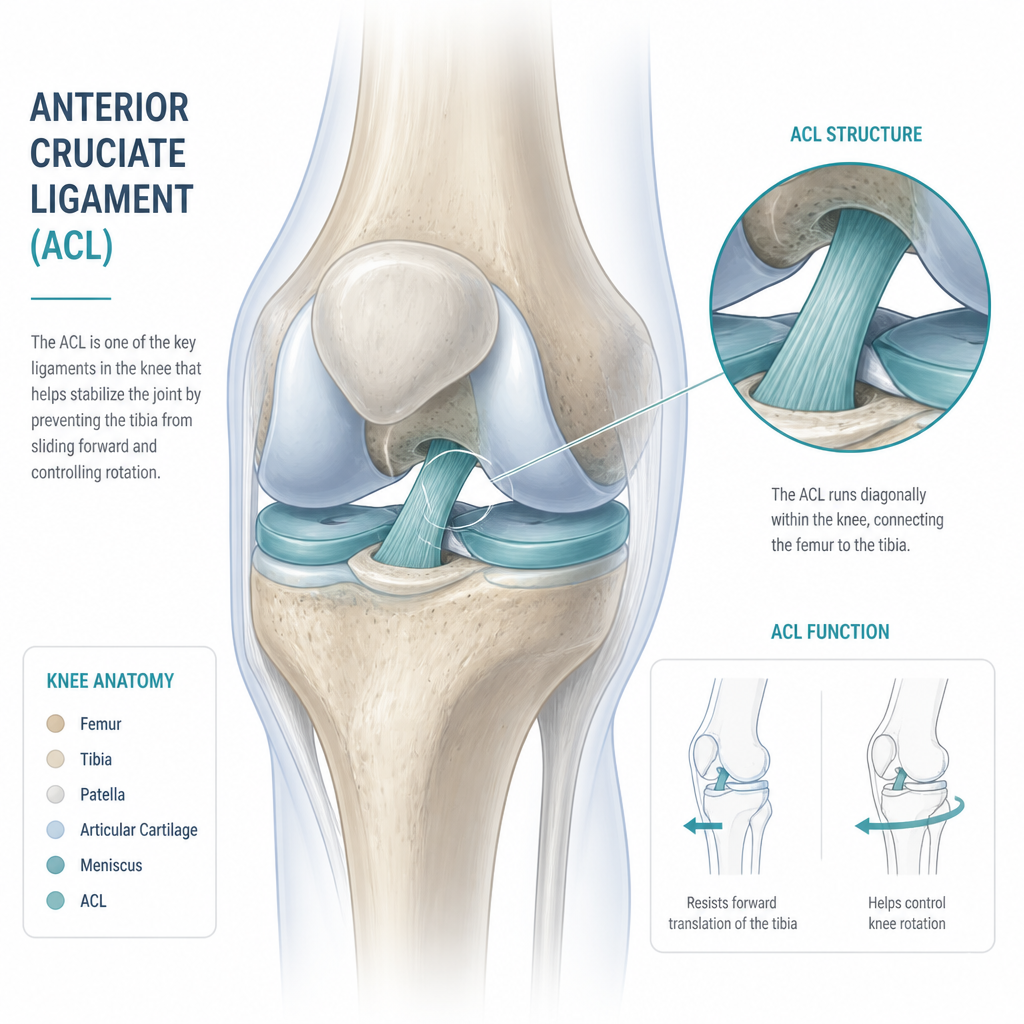
This means drawing on peer-reviewed studies, systematic reviews, and clinical guidelines rather than anecdote or assumption. For a condition like ACL rehabilitation, for example, the research literature has produced clear, consensus-based protocols for load progression, return-to-sport criteria, and strength benchmarks. A physiotherapist practising at a high standard knows this literature and applies it directly.
Pillar Two: Clinical Expertise
Research evidence does not override clinical skill. It informs it. An experienced physiotherapist applies research findings through the lens of thousands of real patient encounters, pattern recognition developed over years, and the ability to adapt a protocol when the textbook presentation differs from what is actually in front of them. This is what separates a good physio from someone who simply reads studies.
Pillar Three: Patient Values and Circumstances
A recovery plan that ignores what a patient actually needs is a plan that will not be followed. Whether someone is a competitive athlete wanting to return to a specific sport, a tradesperson who cannot afford extended time off, or a professional managing a chronic condition alongside demanding work hours, the treatment approach must reflect their reality. Evidence-based practice makes patient values a non-negotiable input, not an afterthought.
Evidence-based practice in sports physical therapy may improve health care quality, reduce medical errors, help balance known benefits and risks, challenge views based on beliefs rather than evidence, and help integrate patient preferences into decision-making.
Why It Matters for Your Recovery
The gap between evidence-based and non-evidence-based physiotherapy becomes most visible when recovery stalls. A patient who has been treated for eight weeks without measurable improvement should ask whether the intervention being applied has demonstrated efficacy for their specific condition. In many cases, the honest answer is that it has not.


Faster, More Predictable Timelines
When treatment protocols are grounded in research, the expected recovery timeline is not a guess. It is a projection based on what outcomes the evidence has shown. That clarity allows the physiotherapist to identify early when a patient is not progressing as expected and to adjust the approach, rather than continuing indefinitely with something that is not working.
Lower Risk of Re-injury
One of the most consistent findings across physiotherapy research is that incomplete rehabilitation, particularly for lower limb injuries, dramatically increases re-injury risk. Evidence-based return-to-sport protocols include objective strength and movement benchmarks that must be met before full activity is resumed. Skipping or shortening this process because a patient feels better is a common cause of repeat injury.
Treatments That Actually Address the Cause
A non-evidence-based approach tends to treat symptoms. Evidence-based physiotherapy treats causes. For a runner with recurring knee pain, that means assessing hip strength, running mechanics, training load, and footwear, not just applying modalities to the painful site. The distinction between symptom management and genuine rehabilitation determines whether a problem resolves or simply cycles between flare-ups.
Pro tip: Ask your physiotherapist directly: "What does the research say about the best approach for my condition?" A practitioner working at a high standard will have a clear, specific answer. Vague or defensive responses are a signal to look elsewhere.
Evidence-Based vs. Other Approaches: A Direct Comparison
Not all physiotherapy is delivered to the same standard. The table below compares evidence-based practice with two other common modes of delivery that patients encounter.
| Approach | How Clinical Decisions Are Made | What This Means for Your Recovery |
|---|---|---|
| Evidence-Based Physiotherapy | Best available research, integrated with clinical expertise and individual patient values. Regularly updated as new evidence emerges. | Treatment is matched to what the literature shows works for your specific diagnosis. Timelines and benchmarks are clearly defined. Progress is measured objectively. |
| Tradition-Based / Habit-Based Practice | Practitioner applies techniques learned in training or from senior colleagues, without regular review of current research. | May produce results for straightforward presentations but often misses nuance. Outdated protocols applied to modern injury presentations. Recovery can plateau without explanation. |
| Modality-Heavy Practice | Heavy reliance on passive treatments (ultrasound, TENS, heat, dry needling) as primary interventions rather than as adjuncts to active rehabilitation. | Symptom relief without structural improvement. Patients feel better in the clinic but do not develop the strength, stability, or movement quality needed to prevent recurrence. |
The comparison above is not meant to suggest that techniques like dry needling or manual therapy have no place in good clinical care. They do, but only when applied within an evidence-informed framework as part of a broader rehabilitation plan, not as a substitute for one.

Sports Injury, Performance, and the Evidence Advantage
For athletes and people who train regularly, the stakes around physiotherapy quality are higher. A recreational runner, a competitive team sport player, or a CrossFit athlete asking for physio Alexandria inner city services is not just seeking pain relief. They want to return to full performance quickly, safely, and with confidence that the same problem will not reappear six weeks later.
Return-to-Sport Criteria: Where Evidence Makes the Biggest Difference
The question of when an athlete is genuinely ready to return to full training and competition is one of the most researched areas in sports physiotherapy. Evidence-based clinicians use validated assessment tools and strength ratios, specific to each sport and injury type, rather than simply waiting until pain has resolved. Pain resolution is a necessary but entirely insufficient marker of readiness. An athlete who returns based on subjective symptom improvement alone faces a substantially elevated risk of re-injury, particularly for hamstring strains, ACL reconstructions, and shoulder instability.
Load Management and Injury Prevention
Sports physiotherapy research has produced strong evidence around training load and injury risk. Acute to chronic workload ratio monitoring, for example, is now a well-supported concept in managing injury risk in team and individual sports. An evidence-based physiotherapist working with athletes does not just treat injuries after they occur. They help athletes and coaches understand load parameters, identify early warning signs of overload, and modify training to reduce injury risk before a problem develops.
This approach is a direct reflection of the environment that shapes clinical practice at Alexandria Physiotherapy and Sports Injury. Working at the highest levels of professional rugby league, including with the NSW Blues under Eddie Farah, demands exactly this kind of rigorous, research-grounded thinking applied to high-stakes athletic performance.
Pro tip: If you are managing a sports injury, ask your physiotherapist for specific, measurable return-to-sport criteria before you begin treatment. Having clear benchmarks from day one keeps both you and your practitioner accountable, and removes the ambiguity that leads to premature returns.
What to Expect at an Evidence-Based Clinic in Alexandria
Choosing physio Alexandria inner city means you have access to a practice that was built around elite sporting standards from the ground up. Alexandria Physiotherapy and Sports Injury was founded by Eddie Farah and Steve Velovski, physiotherapists with more than 15 years of experience leading the South Sydney Rabbitohs in the NRL and working at the highest levels of professional sport. That background is not incidental. It directly shapes how every patient, athlete or otherwise, is assessed and treated.
What a First Appointment Should Include
An evidence-based first appointment goes well beyond a brief movement screen and a list of exercises. You should expect a thorough subjective history that captures not just what hurts but how it affects your function, what your goals are, and what you have already tried. The physical assessment should be systematic, test-driven, and aimed at arriving at a specific clinical diagnosis rather than a vague category label like "back pain" or "knee problem".
Ongoing Measurement and Adjustment
One of the clearest markers of best physiotherapy practice is the use of objective outcome measures throughout your treatment, not just at the start. Whether that is a validated questionnaire, a movement quality score, or a specific strength benchmark, your physiotherapist should be able to show you, in concrete terms, how you are progressing. If a particular intervention is not producing the expected results within a reasonable timeframe, an evidence-based practitioner will identify this and modify the plan. Continuing the same approach indefinitely in the absence of measurable progress is not evidence-based care.
Communication That Respects Your Intelligence
Patients make better decisions when they understand what is happening in their body, why a particular treatment is being used, and what the research actually says about their condition. A practitioner working at a high standard explains the rationale behind every element of your plan in terms you can engage with. This is not just good communication. It is a core component of evidence-based practice, because your informed engagement with your own rehabilitation is one of the strongest predictors of a good outcome.
Frequently Asked Questions
What makes evidence-based physiotherapy different from regular physiotherapy?
Evidence-based physiotherapy means clinical decisions are grounded in the best available research, combined with practitioner expertise and your individual values and goals. The key difference is that treatments are selected because the evidence supports their effectiveness for your specific condition, not simply because they are familiar or traditional. This approach produces more predictable outcomes and reduces the risk of prolonged or ineffective treatment.
Is evidence-based physiotherapy only relevant for serious injuries or professional athletes?
Not at all. The evidence-based approach applies equally to office workers with persistent neck pain, new mothers managing postpartum pelvic floor issues, older adults working through knee osteoarthritis, and elite athletes managing sports injuries. The research literature covers the full spectrum of conditions physiotherapists treat. What changes between patients is how the evidence is applied, not whether it is relevant.
How do I know if my physiotherapist is genuinely practising evidence-based care?
Ask questions. A practitioner working to a high standard should be able to explain, in plain language, why they have chosen a particular treatment approach for your condition and what the research shows about its effectiveness. They should use measurable outcome benchmarks throughout your care and be willing to modify your plan if expected progress is not occurring. Look also at the clinical environment: does the practitioner engage in continuing professional development, use standardised assessment tools, and keep up with current clinical guidelines?
How does evidence-based physiotherapy handle conditions where the research is limited?
Honest practitioners acknowledge the limits of the current evidence base. For conditions where high-quality research is sparse, an evidence-based approach uses the best available evidence at the appropriate level, whether that is expert consensus, clinical guidelines, or well-designed observational studies, while being transparent with you about the certainty of the recommendations. This is more honest and ultimately more useful than projecting false confidence.
Does evidence-based care mean the same treatment for every patient with the same diagnosis?
No. This is one of the most common misconceptions about evidence-based practice. Research findings provide a framework and a starting point, but individual factors including age, fitness level, activity demands, tissue quality, and personal goals shape how a protocol is applied. Two people with the same ACL reconstruction will not necessarily follow an identical program. The evidence informs the approach; clinical expertise and patient values determine how it is tailored.
How does physiotherapy at Alexandria compare to generic high-volume clinics?
The fundamental difference is clinical depth. High-volume clinics often rely on brief appointments managed largely by support staff, with the treating physiotherapist spending limited time on actual hands-on assessment and treatment. At Alexandria Physiotherapy and Sports Injury, the model is built around extended one-on-one time with an experienced practitioner, outcome-focused planning, and a standard of care derived from years of work at the elite sporting level. You are not receiving adapted professional sports medicine. You are receiving the real thing.
Can I access evidence-based physiotherapy for chronic conditions, not just acute injuries?
Chronic pain and long-standing conditions are areas where evidence-based physiotherapy has made some of its most significant contributions. The research on persistent pain has shifted considerably over the past decade, with strong evidence now supporting graded exercise, pain neuroscience education, and active rehabilitation over passive treatment. An evidence-based physiotherapist treating a chronic condition should be familiar with this literature and applying it, rather than defaulting to older models of pain management that the evidence no longer supports.
Have you experienced the difference between evidence-based and non-evidence-based physiotherapy care? Share what you noticed in the comments below.
References
- Peer-reviewed definition and framework of evidence-based physiotherapy, published in PMC/NIH
- Guidance on accessing and applying evidence for physiotherapy interventions, published in PMC/NIH
- Evidence-based medicine and practice in sports physical therapy, published in PubMed
- PEDro: the global Physiotherapy Evidence Database indexing trials, reviews and clinical guidelines
- Components of evidence-based practice in physical therapy, published by the American Physical Therapy Association