
Five Things We Want You to Know After 18 Months of Lockdown
1. Back and neck pain is more present than ever
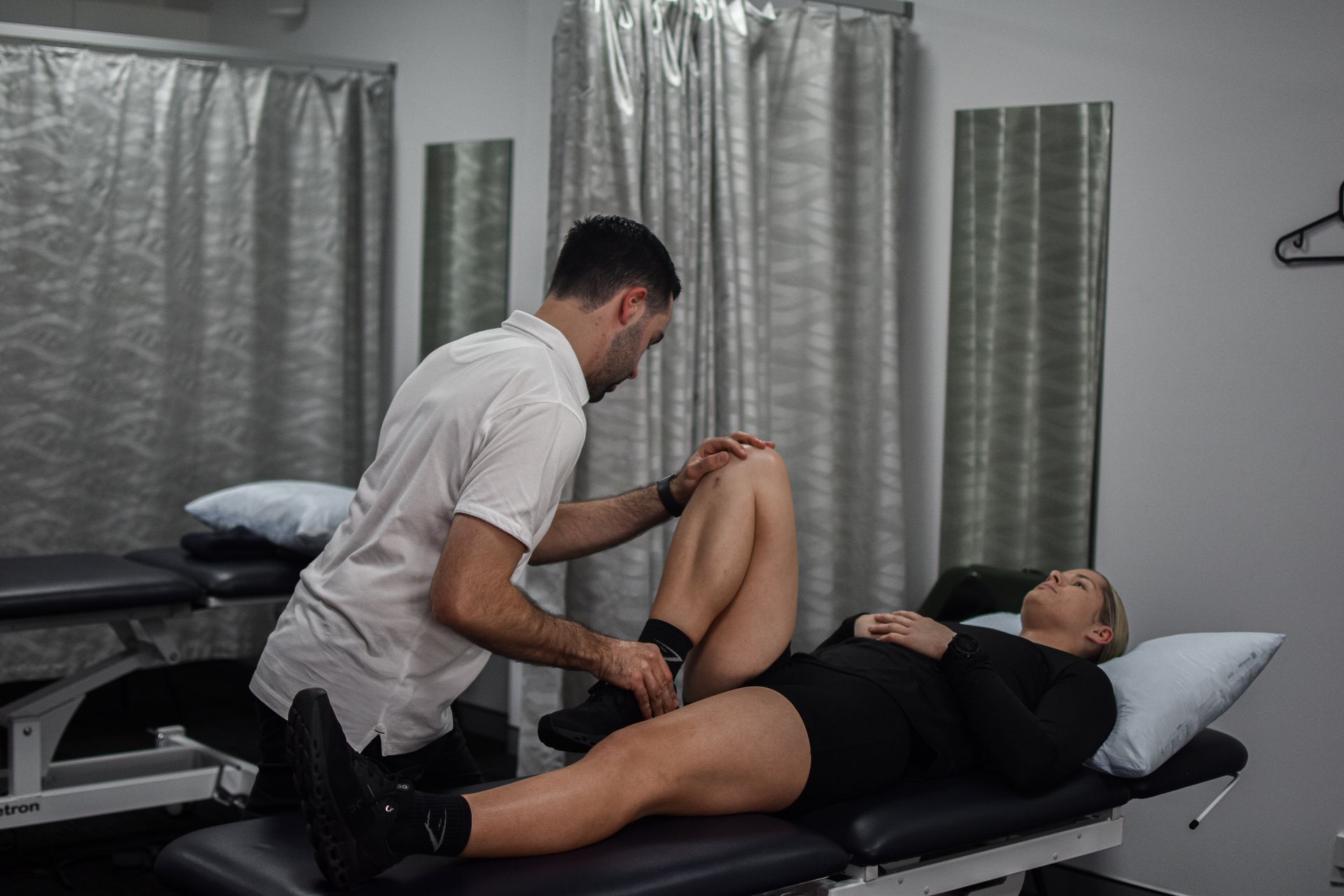
As Physiotherapists, we often see clients who present with back and neck complaints, however in the last 18 months it has been rife. Most Physiotherapists would agree that neck and back issues have been the common trend during the pandemic, with many clients attributing their symptoms to changes to their working environment.
Most of these complaints are musculoskeletal in nature and we’ve learnt that there is several variables that are attributing to such increases. You’ve been working in an office job for several years without issues and are now experiencing more pain than ever – why is that? Is it because you are working from home without an ergonomic office chair or sit-stand desk, or is it more complicated than that?
My take away message – keep reading!
2. Your posture may not be the main cause
Have you been spending more time working from the couch or the kitchen bench and noticing that you’re slumping more than ever? Is this the reason for your pain?
What if I told you that it isn’t about the posture, but more about the fact that you’re spending too long in that static position. The longer you spend in that posture, the less time you’re moving.
I’ve never been and will never be a Physio to promote the ‘perfect posture’ of sitting up tall with your shoulders and neck back. What I do promote however is an ‘ever-changing posture’ – one that promotes lots of breaks, differences in movement patterns and avoiding long static positions.
If I sat for 8+ hours a day hunched over my desk and didn’t change my position, of course I’d have aches and pain. However, if I sat for 8+ hours, upright and my shoulders and neck back in the ‘perfect posture’ and didn’t change my position, I’d still have aches and pains.
My take away message – it is fine to have ‘poor posture’ just as much as it is to have ‘perfect posture’, but as long as you aren’t spending too long in either position.
3. A lack of incidental exercise is the main problem
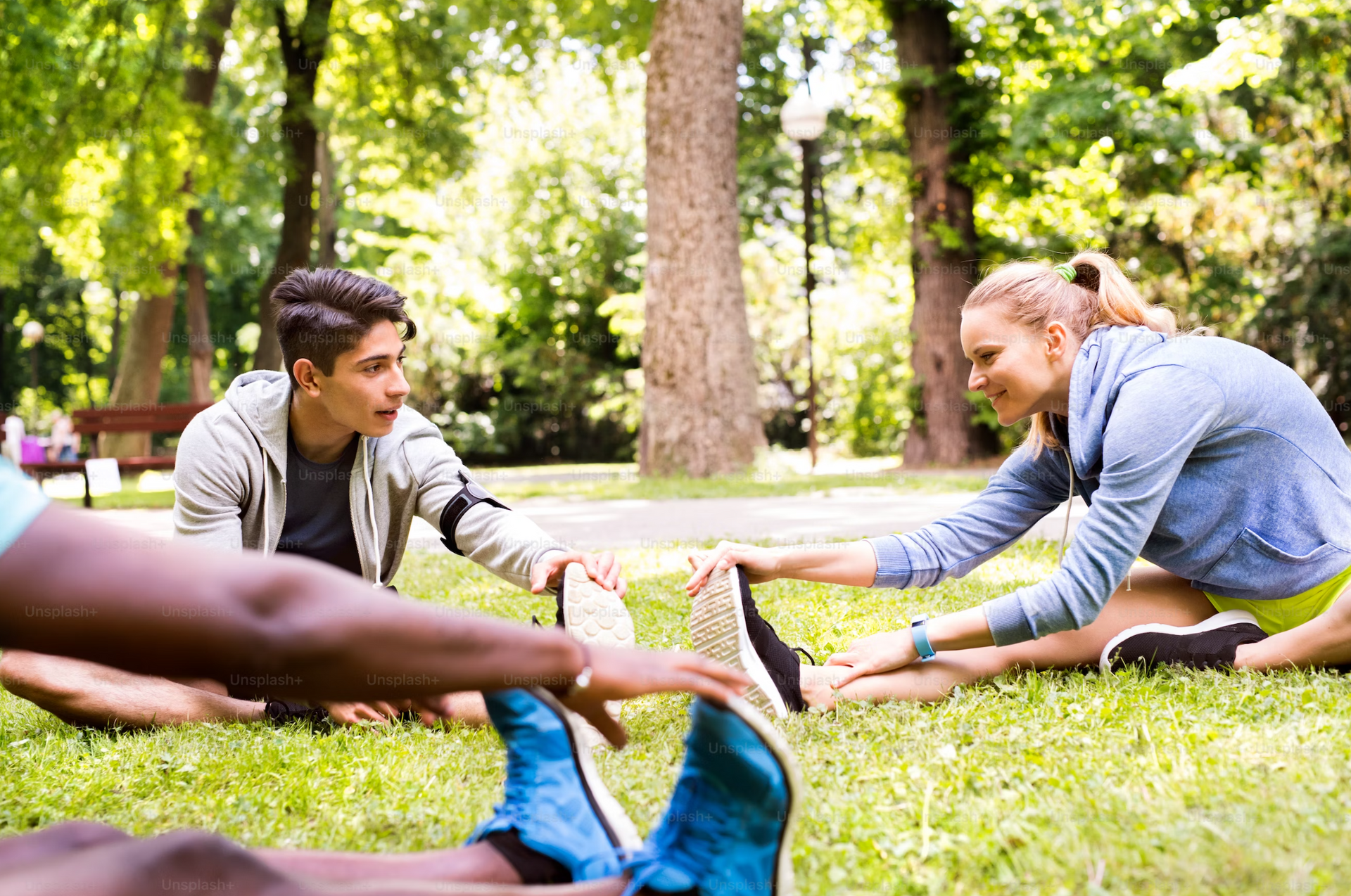
With our exercise routines taking a shake up in the last 18 months, we’ve had to come up with new ways to keep active. All you have to do is look at your local park or walking track to see more people running, walking their dogs or performing 1 on 1 PT sessions. Despite this, the incidental exercise that we’d normally complete in our day to day lives have been greatly impacted.
The walk or ride to the train station, the walk to get your local café or browsing shops in your lunch break – all of which have become a distant memory for most throughout lockdown. It is this type of movement that increases your daily exercise volume and promotes constant movement.
My take away message – movement is medicine & this is the best way to prevent a several aches and pains!
4. Slow and steady wins the race
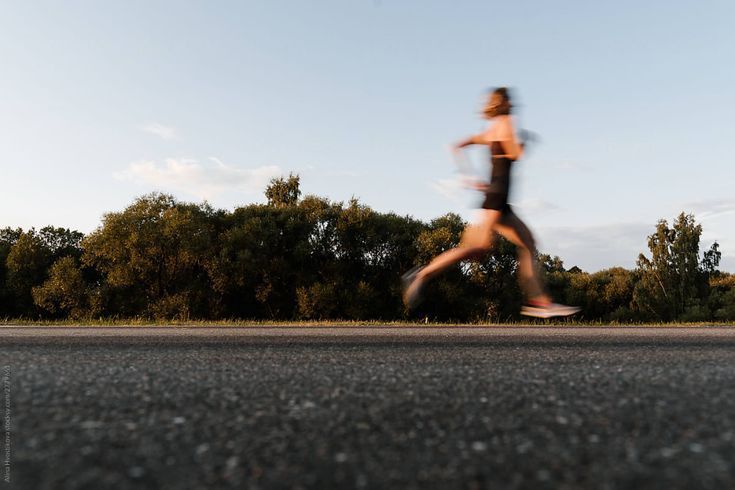
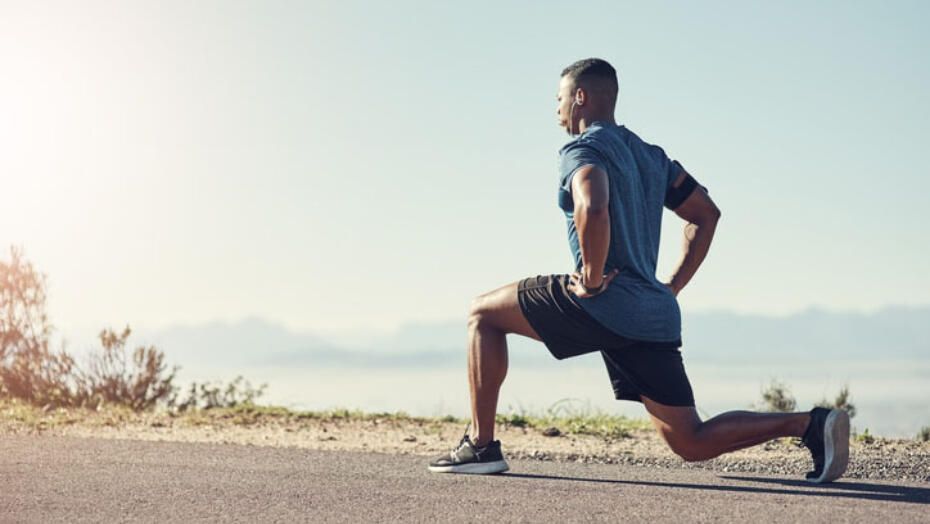
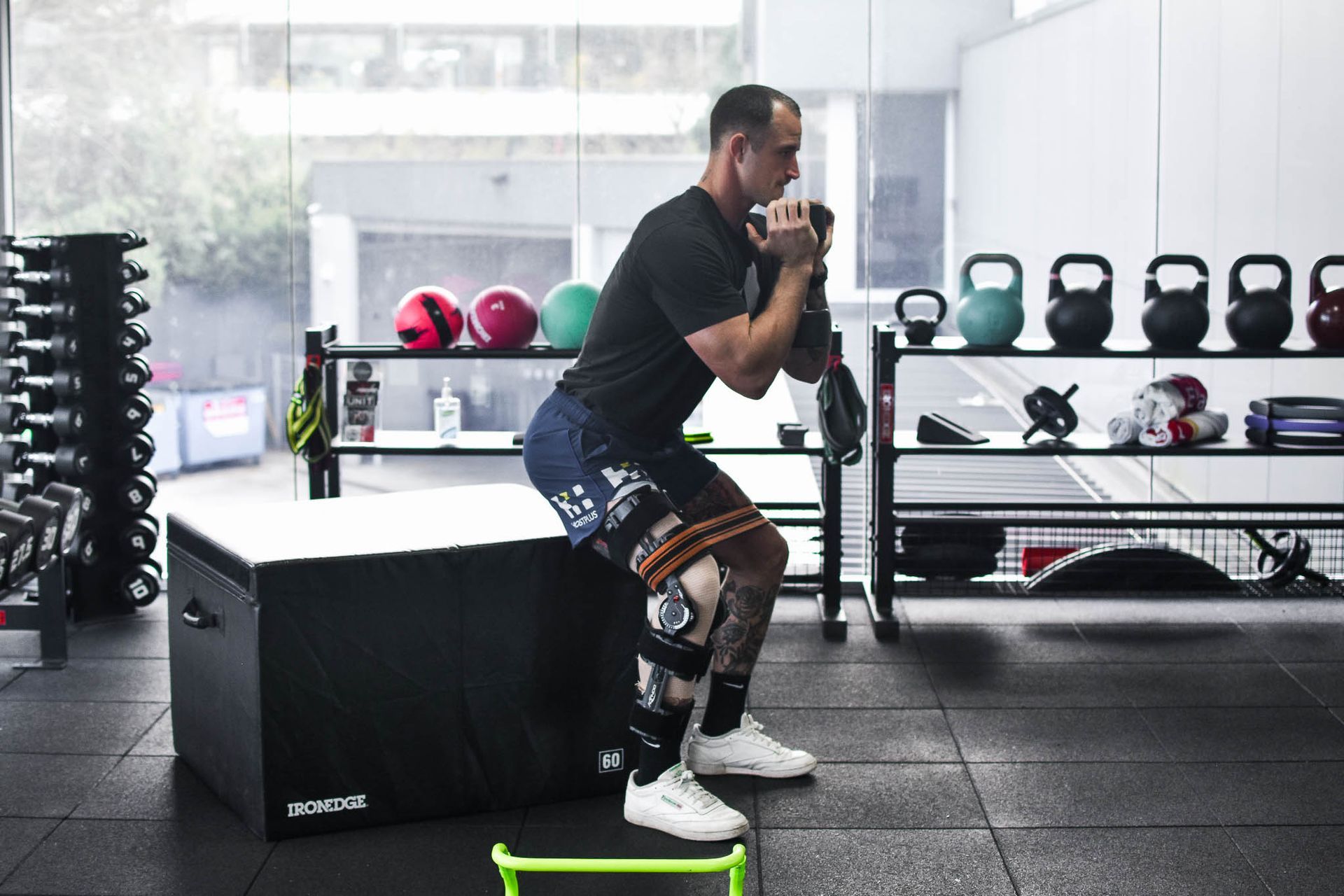
With the closure of gyms, a lot of us have taken up running. But for many, running is a new form of exercise that we don’t have much experience doing. We’ve seen a large proportion of clients go from running very little to running high weekly volumes in a short period of time. Four to six weeks later, I’m seeing the presentation of lots of knee and heel pain and people are wondering why?
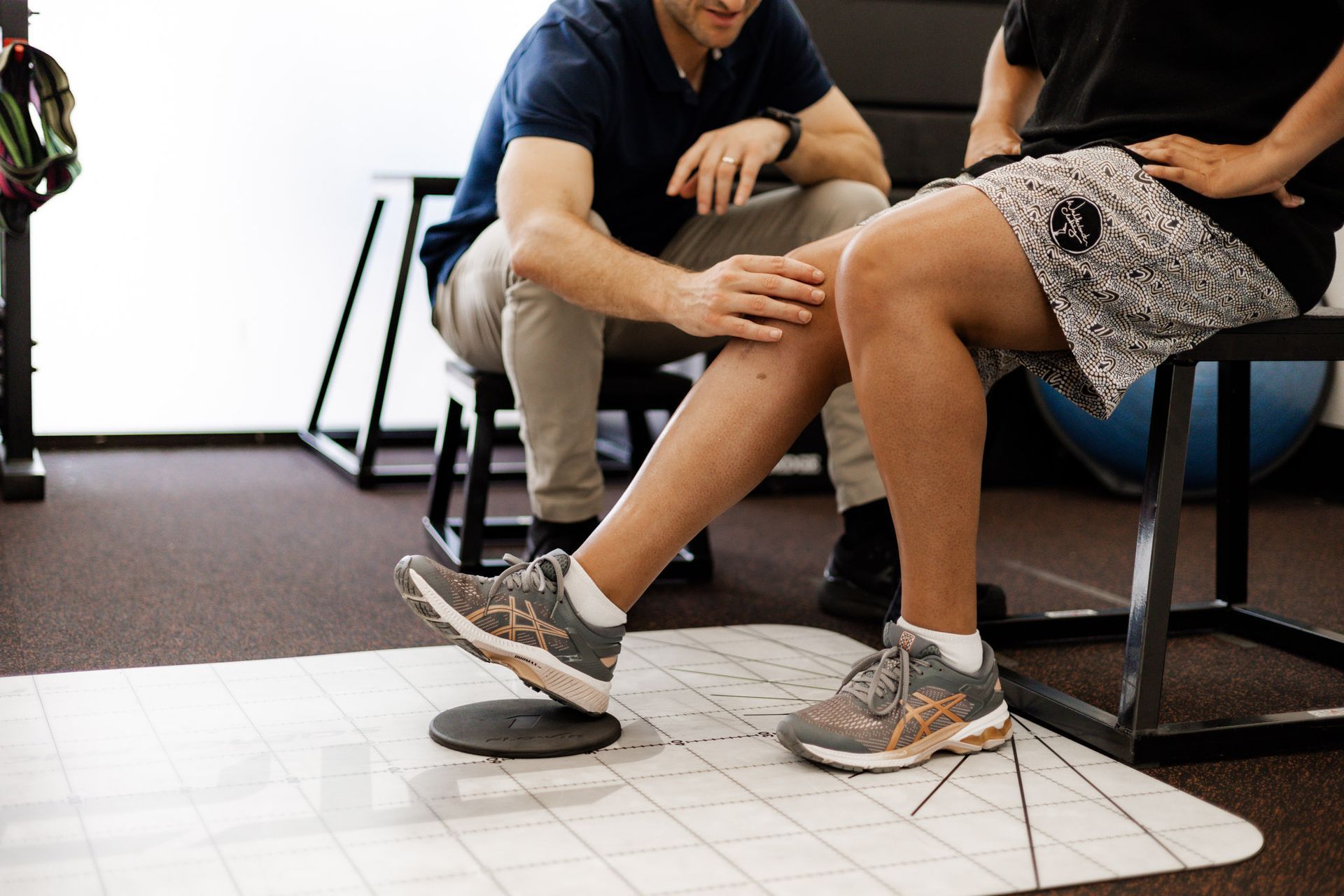
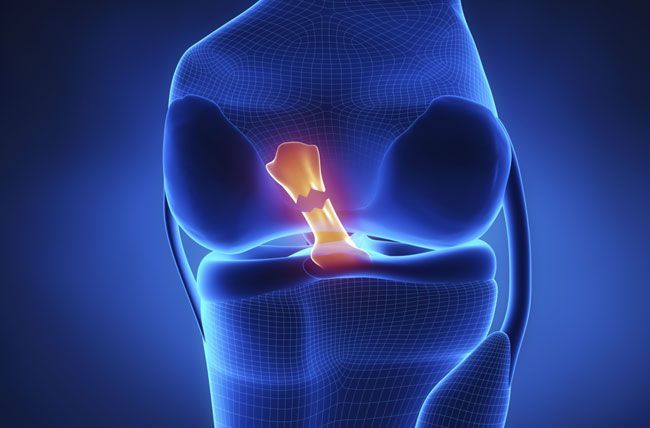
Similar to an increases in neck and back pain, tendon overload issues (i.e. tendinopathies) have also increased. This is an overuse injury that occurs when the load placed on the tendon exceeds the capacity it can withstand. In short – you haven’t prepared your muscle to be able to cope with the amount of running volume in such a short period of time.
My take away message – don’t listen to Drake and go “ 0 to 100 real quick”.
5. It’s a different world we live in!
We are living in an unprecedented situation and going forward, the world will be a very different place. We must adapt, learn and move forward as better versions of ourselves. Never under-estimate the impact that mental health has on our physical health. The last 18 months have been a challenging time psychologically and many have experienced immense amounts of pressure and grief.
My take away message – remember to check in on the wellbeing of family and friends and we will get through this together!