

7 Signs Your Sports Injury Needs Physio, Not Rest
Most athletes have been there: you roll an ankle, tweak a shoulder, or feel a sharp pull in your hamstring, and the instinct is to ice it, rest for a few days, and hope it sorts itself out. Sometimes that works. Often it does not. The real problem is that rest alone addresses pain as a symptom, not the underlying structural damage, muscle weakness, or movement fault driving it. If you are searching for sports injury physiotherapy Sydney because something does not feel right, you probably already sense that rest is not enough. This article gives you seven clear, specific signs that it is time to stop waiting and get a professional assessment at a sports injury clinic in Alexandria built for exactly this kind of work.
Table of Contents
- Quick Takeaways
- Sign 1: Pain That Persists Beyond 72 Hours
- Sign 2: Swelling That Is Significant or Slow to Resolve
- Sign 3: Numbness, Tingling, or Burning Sensations
- Sign 4: Joint Instability or the "Giving Way" Feeling
- Sign 5: Loss of Range of Motion
- Sign 6: The Injury Keeps Coming Back
- Sign 7: You Have Changed How You Move to Protect the Injury
- Rest vs. Physiotherapy: Knowing Which One Actually Fixes the Problem
- Frequently Asked Questions
- References
Quick Takeaways
| Key Insight | Explanation |
|---|---|
| Pain beyond 72 hours is a red flag | Pain that persists or worsens after three days of rest signals that tissue damage likely needs structured treatment, not more passive waiting. |
| Swelling is not always harmless | Prolonged or significant swelling can indicate ligament tears, tendon damage, or nerve involvement, all of which worsen without active management. |
| Numbness and tingling mean nerve involvement | These sensations after a sports injury should never be dismissed. Unmanaged nerve compression or damage can lead to lasting deficits. |
| A joint that "gives way" is structurally compromised | Instability is a sign that muscles, tendons, or ligaments are no longer holding bones in correct alignment. This exposes you to serious re-injury. |
| Recurring injuries point to an unresolved root cause | If the same calf, hamstring, or ankle keeps flaring up, the original injury never fully healed or a movement fault was never corrected. |
| Compensatory movement patterns create secondary injuries | Limping, guarding, or favouring one side shifts load to other structures. A physio identifies and corrects these patterns before they become new injuries. |
| Pain disappearing does not mean the injury is healed | Strength deficits, stiffness, and poor mechanics often persist long after pain resolves. Returning to sport too early on these foundations leads to re-injury. |
Sign 1: Pain That Persists Beyond 72 Hours
Minor muscle soreness from training, known as delayed onset muscle soreness (DOMS), typically peaks within 24 to 48 hours and then fades. Injury pain behaves differently. If your pain is still present, unchanged, or worsening after three days of appropriate rest and basic care, that is not soreness. That is a signal your body cannot resolve the problem on its own.
Sharp pain during movement, pain at rest, or pain that intensifies with activity rather than easing off are all specific red flags. These patterns suggest tissue damage that requires active treatment: hands-on physiotherapy, load management, and targeted rehabilitation, not another week on the couch.
Pro tip: Track your pain on a simple 0 to 10 scale every morning for three days after an injury. If the number is not dropping, or if it spikes when you try to return to activity, book in with a physiotherapist rather than extending your rest period.


Sign 2: Swelling That Is Significant or Slow to Resolve
Some swelling after a sports injury is a normal inflammatory response. What is not normal is swelling that is severe, that spreads well beyond the injured site, or that refuses to go down after several days of rest, ice, and compression. Prolonged or significant swelling can indicate ligament tears, tendon damage, or nerve involvement, any of which carries serious consequences if left unaddressed.
Swelling that lingers also actively damages the muscles surrounding the injured area. The joint becomes inhibited, meaning the muscles protecting it switch off, and this sets up a cycle of weakness and vulnerability that passive rest does nothing to break. A physiotherapist can assess whether the swelling is disproportionate to the apparent injury and initiate treatments that address the underlying cause rather than just the symptom.
What significant swelling might actually indicate
Visible bruising alongside swelling is a sign that blood vessels have been damaged beneath the skin, often from torn muscle fibres or ruptured capillaries. Large-scale bruising, particularly if it appears in an area away from the initial impact site, warrants immediate professional attention. It can indicate a more severe structural injury than the surface presentation suggests.
Sign 3: Numbness, Tingling, or Burning Sensations
If you feel numbness, tingling, or a burning sensation in or around an injured area, treat it as urgent. These sensations are signs of nerve involvement, whether from compression, stretching, or direct nerve damage. Nerve injuries that are not properly managed carry a real risk of permanent deficit, which is why this sign sits near the top of the priority list.
Common examples seen in sport include a stinger or burner in the neck and shoulder from a tackle, radiating leg pain from a lower back injury, or tingling into the fingers after a shoulder impact. In every case, a physiotherapist needs to assess the injury to determine the type and degree of nerve involvement before any further activity is resumed.
Pain is only one signal. By the time it disappears, underlying issues like weakness, stiffness, or poor mechanics may still be present, and those are what cause re-injury.
Pro tip: Never return to contact sport, heavy lifting, or overhead activity when you still have numbness or tingling. These sensations mean the nervous system has not cleared the injury, and loading the structure before it has is how minor nerve injuries become serious ones.
Sign 4: Joint Instability or the "Giving Way" Feeling
A joint that feels like it is about to give way, or that actually buckles under normal load, is not something to manage through rest alone. Joint instability occurs when the muscles, tendons, and ligaments surrounding a joint can no longer hold the bones in proper alignment. This is a structural problem, not a pain problem, and rest without rehabilitation does not restore that structural integrity.
Knee, ankle, and shoulder joints are the most common sites where athletes experience this. An ankle that has been sprained multiple times without proper rehabilitation often develops chronic ligament laxity, where the joint repeatedly gives way on uneven ground or during direction changes. Each subsequent episode increases the risk of further damage and extends the total recovery timeline significantly.
Why instability demands active rehabilitation
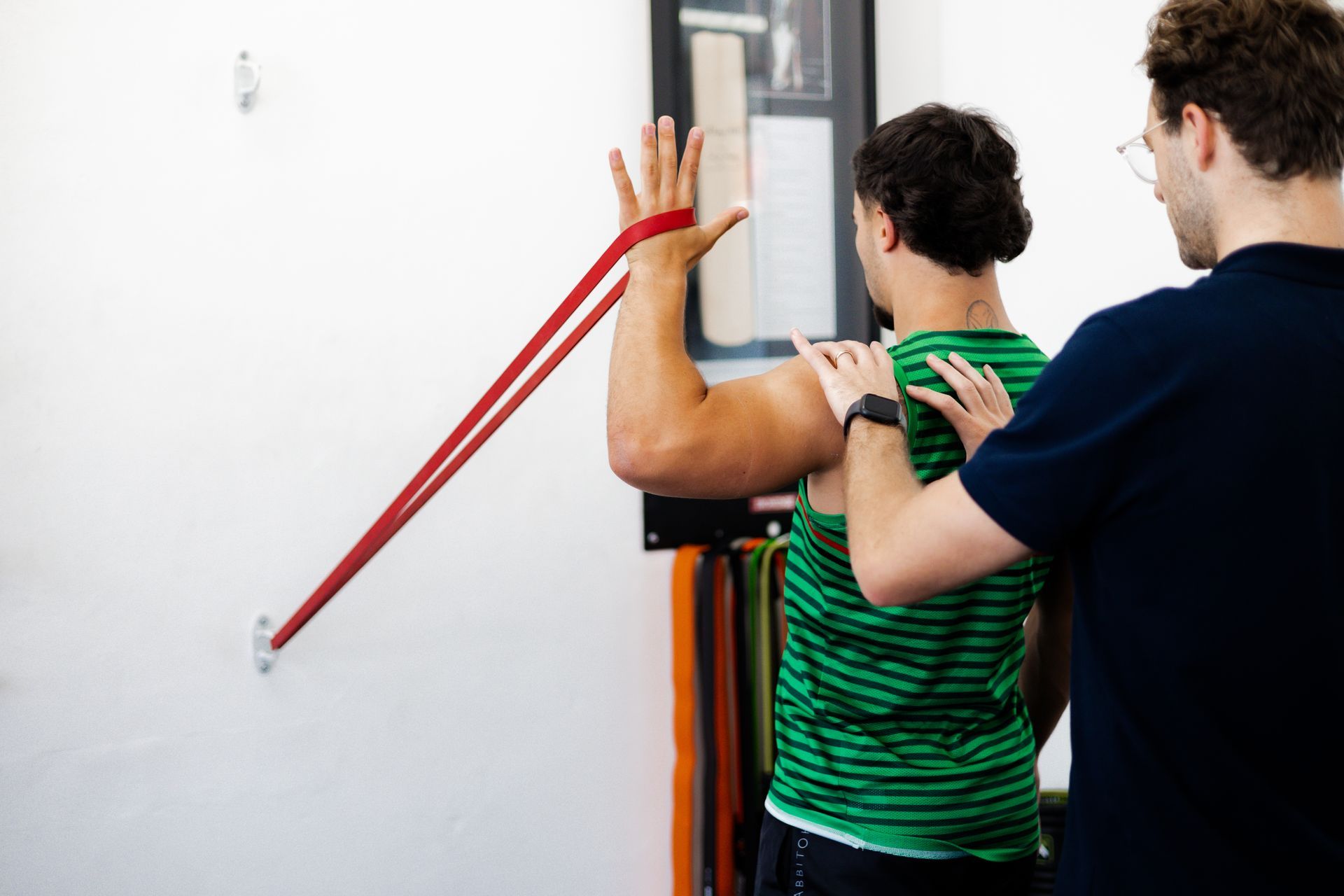
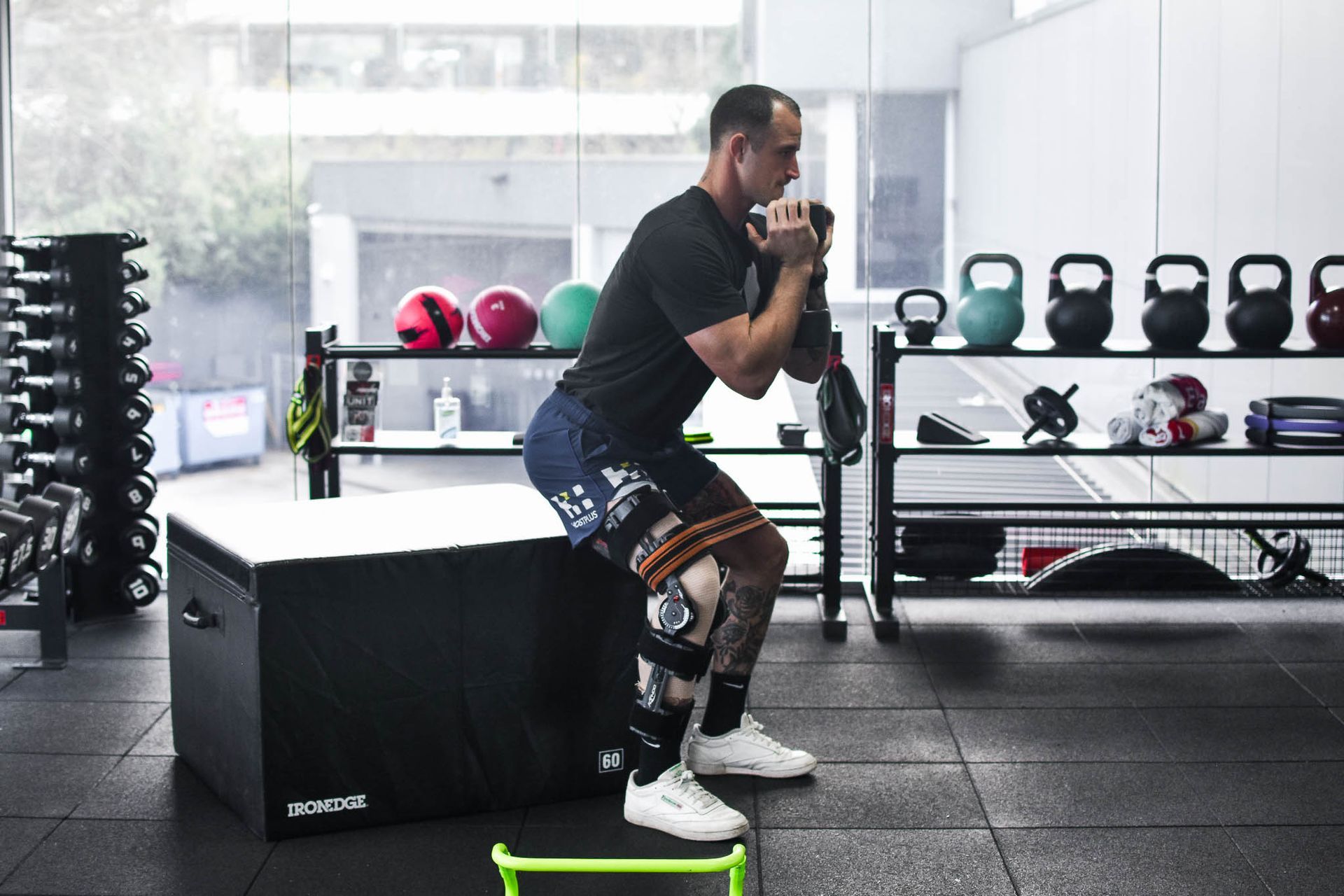
Restoring joint stability requires a graded program of proprioception training, strength work, and neuromuscular re-education. These are not things that happen passively. At a dedicated sports injury clinic , your physio will assess which structures are involved and build a program that progressively reloads the joint in a controlled way, rebuilding the stability the injury took away.

Sign 5: Loss of Range of Motion
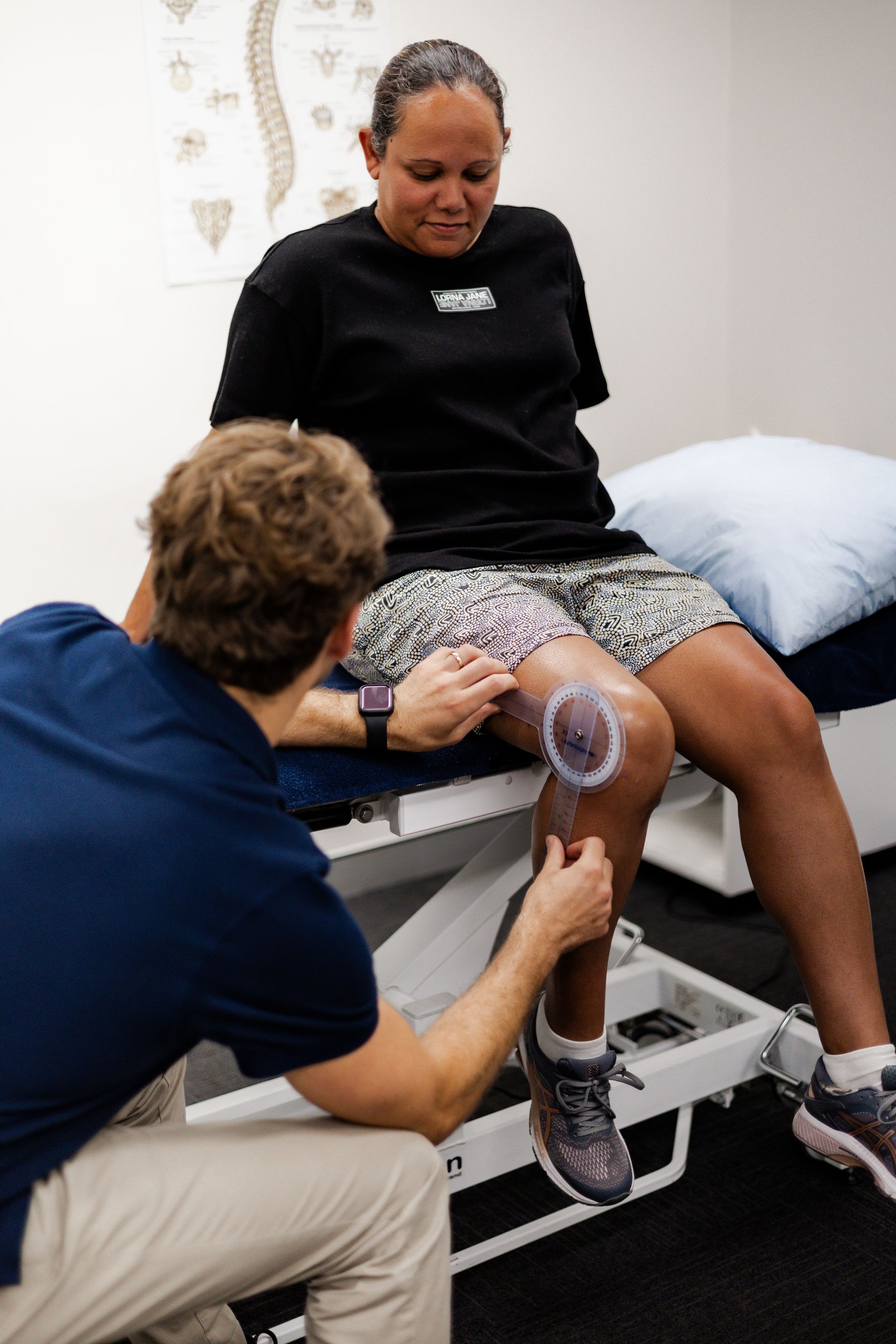
Difficulty moving a joint through its normal range, whether from pain, stiffness, or a physical block, is one of the clearest signs that physiotherapy is needed. Loss of range of motion after a sports injury means the surrounding tissues, whether muscle, tendon, ligament, or joint capsule, are not behaving normally. Left untreated, this restriction becomes harder to resolve and often leads to compensatory movement patterns that create new problems elsewhere.
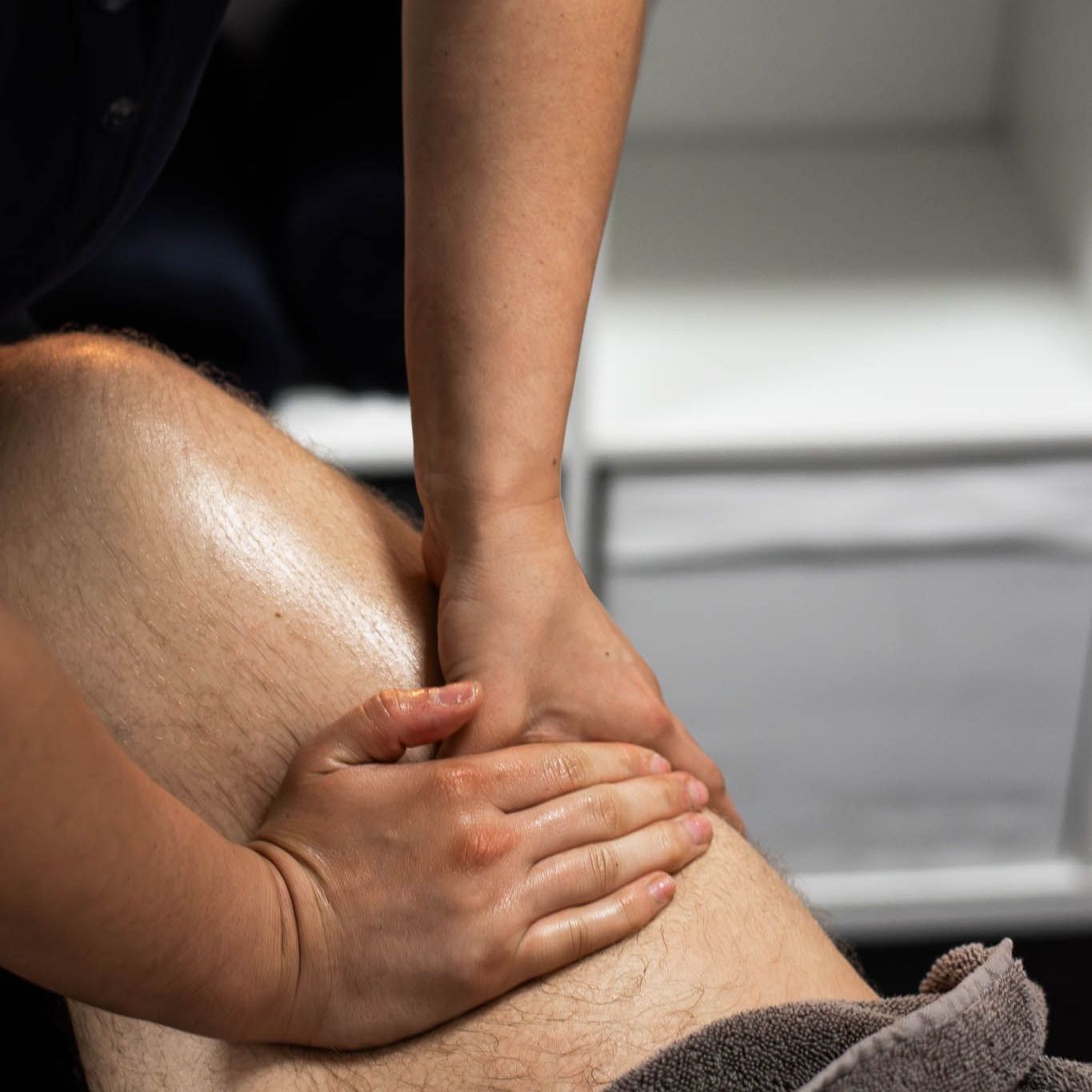
A common mistake is to assume that stiffness will just "loosen up" over time with gentle stretching. Sometimes it does. More often, stiffness after injury reflects scar tissue formation, joint swelling compressing the capsule, or protective muscle guarding, all of which require specific manual therapy and targeted exercise to resolve properly.
The functional test that matters
The relevant question is not just whether you can move the joint, but whether you can move it well enough to perform the specific demands of your sport or activity. A footballer needs full hip rotation and knee extension under load. A swimmer needs full shoulder overhead range with scapular control. Your physio assesses functional range, not just passive range, which is a meaningfully different and more useful standard.
Sign 6: The Injury Keeps Coming Back
Recurring injuries are the clearest evidence that rest alone is never a sufficient treatment. If you have had the same calf strain flare three times this season, if your Achilles always flares after a long run, or if your hamstring consistently tightens after training, you are not dealing with bad luck. You are dealing with an injury that was never properly rehabilitated the first time.
Recurring pain often points to one of three root causes: the original injury did not fully heal before you returned to load, a movement or technique fault is repeatedly stressing the same structure, or a strength or flexibility deficit is placing that tissue under more load than it can handle. A physiotherapist will assess all three and build a rehabilitation plan that targets the actual cause rather than just the symptoms.
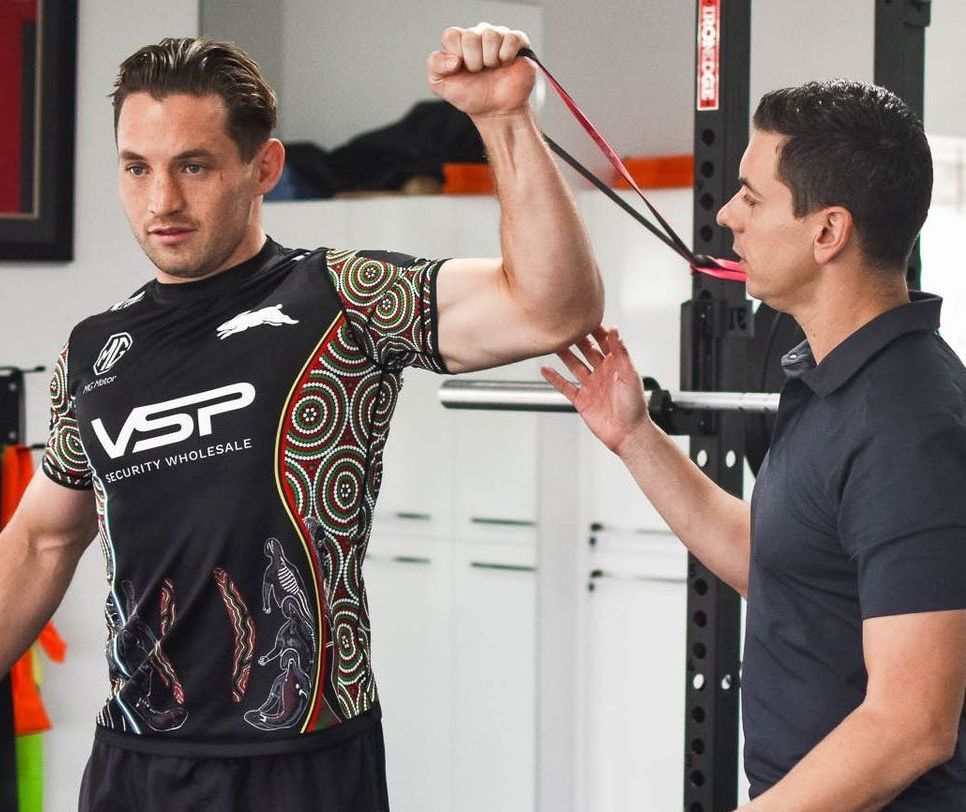
At Alexandria Physiotherapy and Sports Injury Clinic, this is exactly the kind of problem the clinical team excels at. With a background treating elite NRL and rugby athletes, including longstanding roles with the South Sydney Rabbitohs, the team understands how to identify the biomechanical and loading factors driving recurring injuries and how to address them without unnecessarily keeping athletes out of their sport.
Sign 7: You Have Changed How You Move to Protect the Injury
This sign is easy to overlook because it does not feel like a symptom. If you are limping slightly, protecting one shoulder during overhead activity, or changing your running gait to avoid reproducing a pain, you have already developed a compensatory movement pattern. These adaptations feel protective in the short term. Over weeks and months, they systematically overload structures that were not designed to carry that extra demand.
A common clinical scenario: an athlete sprains an ankle, rests until the pain reduces, returns to sport, and six weeks later develops knee or hip pain on the same side. The ankle was not fully rehabilitated, the movement pattern changed to protect it, and the altered mechanics transferred stress upward. The knee or hip becomes the presenting complaint, but the ankle is the origin.
Catching compensatory patterns early is one of the most high-value things a physiotherapy assessment provides. You get a professional eye on how you are actually moving, not just whether you are still in pain.
Rest vs. Physiotherapy: Knowing Which One Actually Fixes the Problem
Rest is not useless. For genuinely minor soft tissue injuries, a short period of relative rest combined with load management is entirely appropriate. The problem is that most athletes either rest too long without addressing the underlying issue, or they return too early because the pain has gone and they assume the injury has resolved. Neither approach works reliably.
Here is a direct comparison of what rest and physiotherapy each deliver, and where each falls short on its own:
| Approach | What It Addresses | What It Misses |
|---|---|---|
| Rest alone | Reduces acute inflammation and pain in minor soft tissue injuries | Does not restore strength, stability, range of motion, or correct faulty movement patterns. Pain resolving does not mean the tissue is ready for load. |
| Generic self-treatment (ice, compression, anti-inflammatories) | Manages symptoms in the acute phase. Appropriate as a first-aid response. | Does not diagnose the injury, assess severity, or address structural damage. Often used well beyond the point at which professional assessment is needed. |
| Evidence-based physiotherapy | Diagnoses the injury accurately, addresses the root cause, restores full function, and builds a structured return-to-sport plan with objective milestones. | Requires time investment and consistency with a prescribed program. Results depend on patient adherence between sessions. |
The athletes who recover fastest and re-injure least are not the ones who rested most. They are the ones who got an accurate assessment early, followed a structured rehabilitation program, and did not return to full training until objective functional criteria, not just pain levels, cleared them to do so.
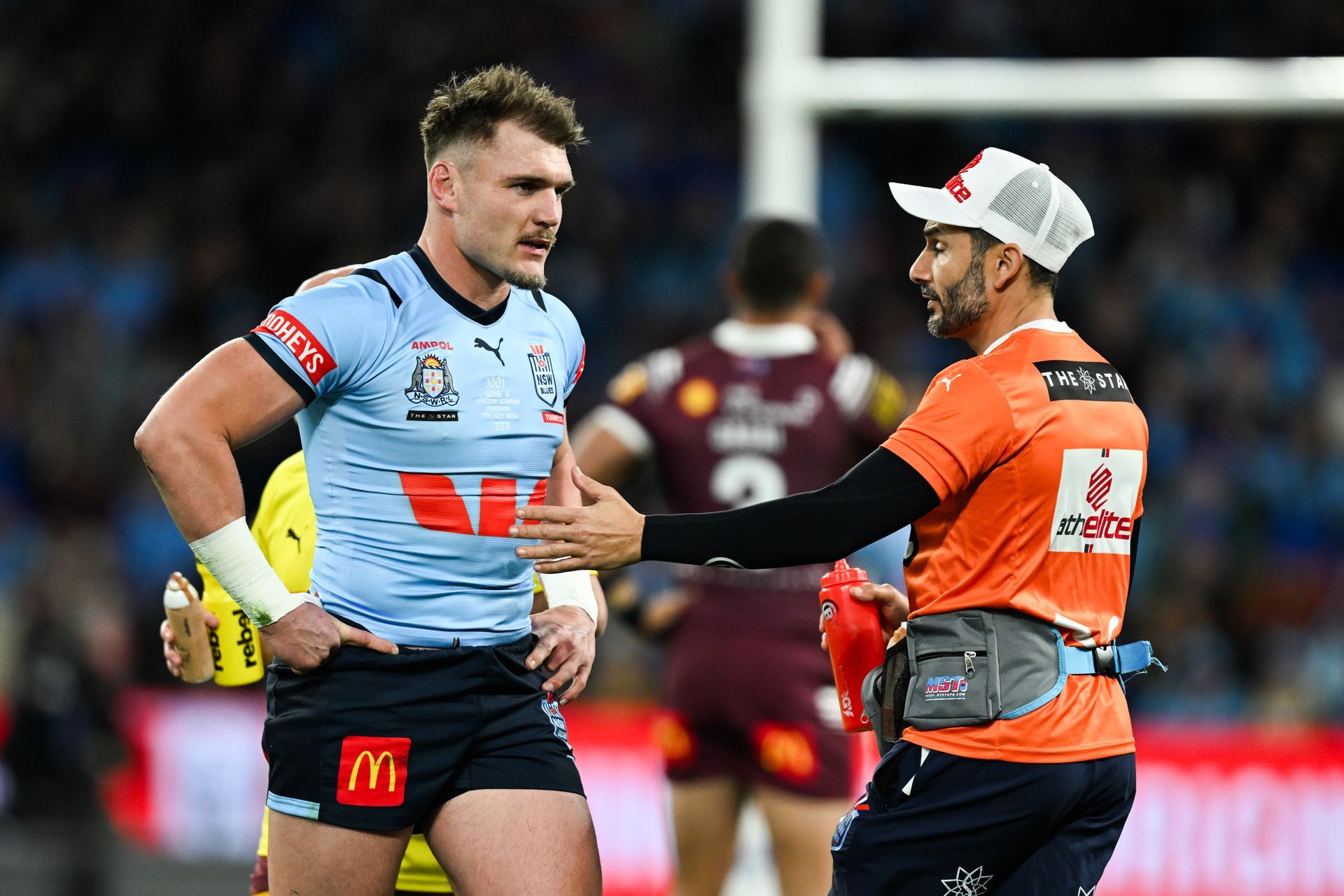
Alexandria Physiotherapy and Sports Injury Clinic operates on exactly this model. Clinic owner and Head Physiotherapist for the NSW Blues, Eddie Farah, has shaped the clinic's approach around the same clinical standards applied to professional athletes. Every client receives a customised assessment and rehabilitation plan, not a generic rest-and-review protocol.
Pro tip: If you are in Sydney and have been managing an injury for more than a week without clear improvement, the most efficient thing you can do is book a 45 to 60 minute initial assessment at a dedicated sports injury clinic in Alexandria. A single session of accurate diagnosis and a clear plan is worth more than three more weeks of uncertain rest.
Frequently Asked Questions
How long should I rest a sports injury before seeing a physiotherapist?
For any injury where you have severe pain, cannot bear weight, notice significant swelling or bruising, or feel numbness or tingling, do not wait. Seek professional assessment within 48 hours. For injuries that seem minor but are still symptomatic after three days of basic care, that is the point to book in with a physiotherapist rather than continuing to wait and see.
Can physiotherapy make a sports injury worse?
When delivered by a qualified physiotherapist following a proper assessment, physiotherapy does not worsen injuries. The risk runs in the other direction: delaying assessment and continuing to train through an injury without understanding its nature is what causes minor injuries to become serious ones. A good physio will also advise when an injury is outside the scope of physiotherapy alone and requires medical imaging or specialist referral.
What happens at a first physiotherapy appointment for a sports injury?
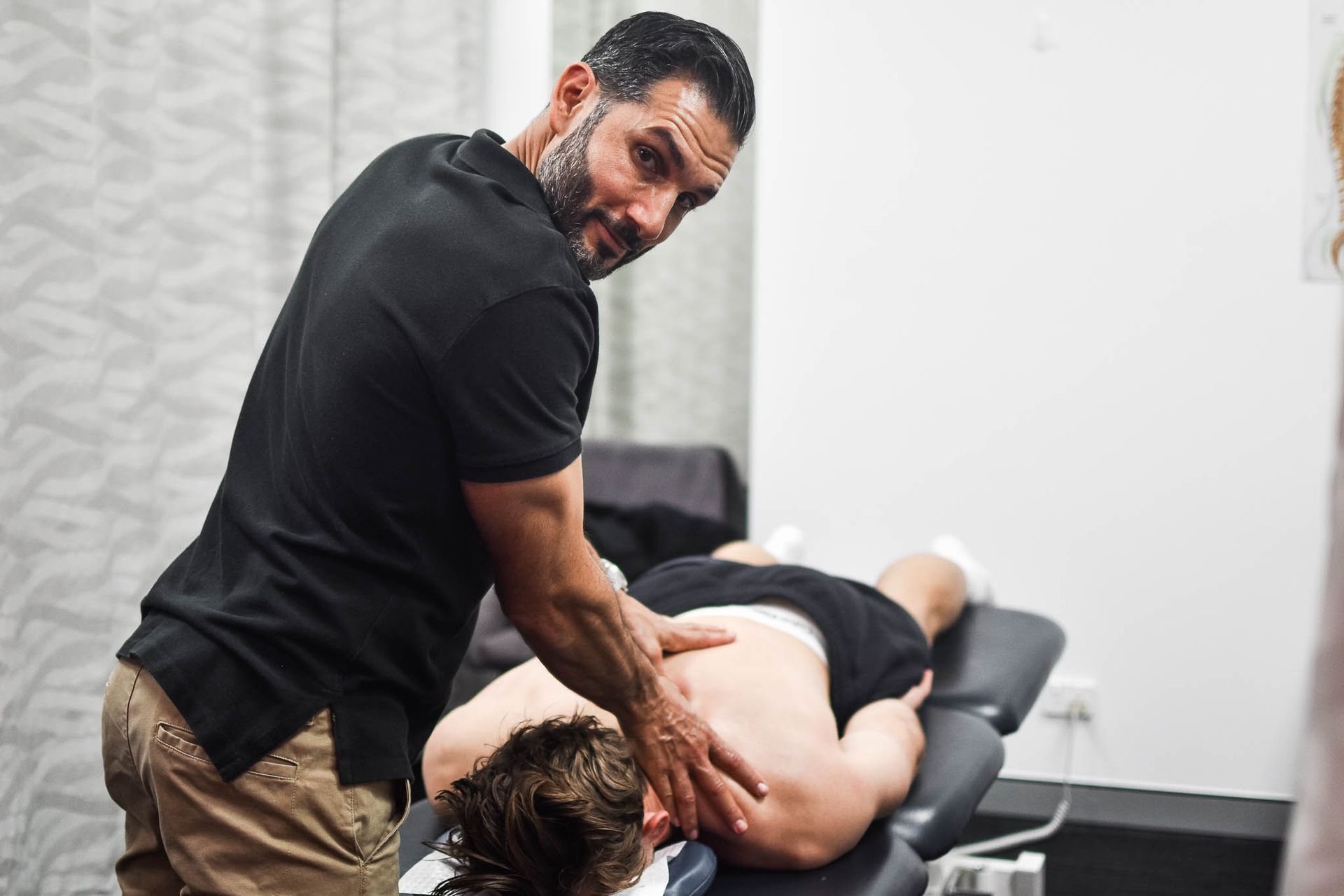
At your first appointment, the physiotherapist will take a detailed history of the injury, including mechanism, onset, and what has made it better or worse. They will then perform a physical assessment covering range of motion, strength, joint stability, and movement quality. From that, they build a diagnosis and an initial treatment and rehabilitation plan specific to your injury, your sport, and your goals.
Is it worth seeing a physio for a recurring sports injury if the pain is manageable?
Yes, and this is one of the most important times to seek assessment. Manageable pain from a recurring injury masks the fact that the underlying fault has not been fixed. Each recurrence typically causes a little more cumulative damage and increases the risk of a more serious episode. Addressing it when it is manageable is far better than waiting until it becomes a significant structural problem that requires a longer recovery.
What is the difference between a general physio and a sports injury physiotherapist?
A sports physiotherapist has additional training and practical experience in sports-related injuries, athletic performance, and return-to-sport rehabilitation. They understand the specific demands of different sports, the mechanics of athletic movement, and how to rebuild function to competition-level standards, not just everyday function. If your goal is to return to training or competition at the level you were at before injury, a sports-specific physio is the appropriate choice.
Should I stop training completely when I have a sports injury?
Not necessarily, and often that is the wrong call. The goal is appropriate load management, not complete rest. A physiotherapist will identify which activities are safe to continue, which need to be modified, and which need to be temporarily avoided. Many injured athletes can maintain significant training volume in unaffected areas while their injury is treated. Blanket rest often leads to deconditioning that prolongs the overall return-to-sport timeline.
If you are dealing with a sports injury that has not responded to rest, or if you recognise any of the seven signs above, we would like to hear about your experience. Drop a comment below about what has worked for you, or what finally made you decide to see a physio.
References
- Six signs your sports injury needs professional physiotherapy assessment and treatment
- When to seek physiotherapy for sports injuries: indicators and guidance
- Sports injury signs and symptoms that indicate you need professional care
- When to see a physiotherapist: a practical guide to injury assessment
- Why your gym or sports injury needs a physio, not just rest