

All About Ankles: Syndesmosis
All About Ankles
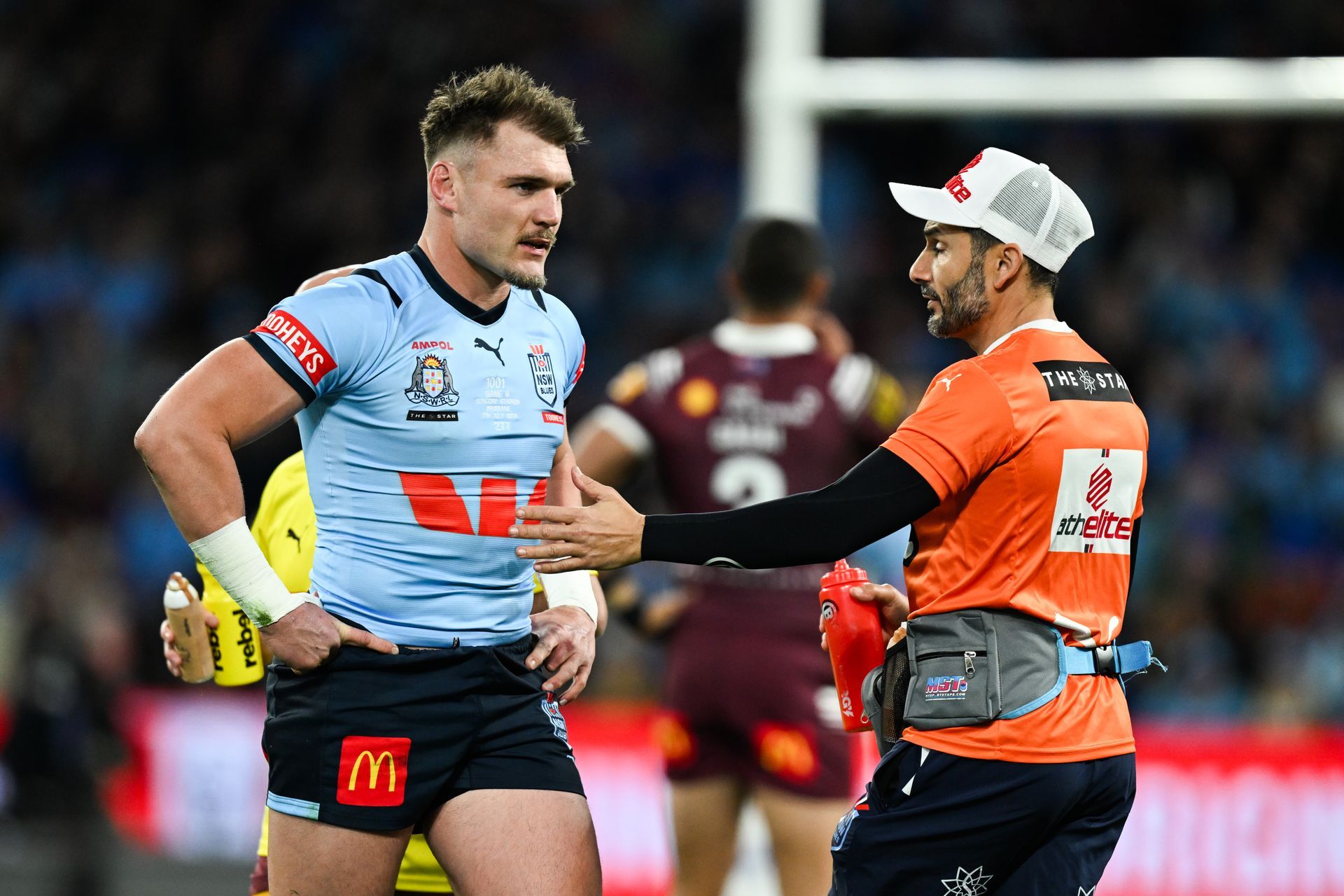
Have you ever been watching sport, particularly Rugby League, AFL or Football, and seen a player go down injured with what looks like some kind of ankle injury, only to hear the announcer use the term ‘syndesmosis’? ‘Oh, that looks like a syndesmosis injury’, ‘That must be their syndesmosis’, ‘I’m not too sure what it is but I’m going to say syndesmosis.
Now, I’m not having a dig at the announcers in anyway. Maybe they are a former player (which is common) that has experienced something similar. But, for most people, the term syndesmosis sounds like a buzz word some announcers use to sound clever, whilst your sitting there having no idea what they’re talking about.
You may even think, ‘it just looks like a normal ankle sprain’. And here is where things change. Syndesmosis injuries, or ‘high ankle sprains’ are more complex in comparison to injuries affecting the lateral ligaments and can (if managed poorly) lead to greater disability and poorer outcomes in regards to long term pain.
Everyone I seem to talk to or see in the clinic has had some kind of old ankle injury that ‘was just a sprain’ and didn’t think much more of it. This is until they develop progressively worsening symptoms in their ankle or feel as if their ankle rolls ‘all the time’. In that manner, sometimes a sprain isn’t just a sprain.
So, to make things easier to understand, and for the next time an announcer drops the term ‘syndesmosis’, I’m going to go through what the term syndesmosis means, and how we go about management of this condition.
Syndesmosis Injuries – High Ankle Sprains
Put simply, the syndesmosis is an area between your Tibia and Fibula (lower leg bones) where ligaments in the ankle act to secure the distal aspect of the lower leg, above the ankle joint. Hence, they are commonly referred to as high ankle sprains (refer to photo below).
When the syndesmosis gets injured, it will involve at least one, if not all of the structures that secure the joint. In the majority of cases, for this injury to occur requires significant force to the ankle (such as a tackle or an opposition player falling onto the ankle).
This mechanism is where the foot is forced into external rotation (turning out) and the ankle into dorsi flexion (pointing upwards). When a player is injured, they usually describe the sensation of the ankle and foot being twisted outwards under force followed by sharp pain at high in the ankle. This force places increased stress on the syndesmosis joint, forcing the tibia and fibula apart, causing ligaments to either strain, or in worst cases, rupture.
Like most injuries, syndesmosis issues are graded in severity with Grade 1 being minor strains through to Grade 4 injuries which are substantial and may require surgery to stabilise the joint. Thankfully, most Grade 1 and Grade 2 injuries can be managed non-surgically with great results. Grade 3 injuries can also be managed conservatively but may require a surgical opinion with an orthopaedic specialist. This can depend on a number of reasons such as which ligaments of the syndesmosis have been injured, the sport you play, type of work you participate in and lifestyle habits.
As for management, let’s look at an example case. And by example case, I mean my own personal experience. I suffered a Grade 2 injury to my syndesmosis after I was tackled from the side during a game of Rugby League. The below outlines the week by week processes I went through to manage and eventually return to sport.
Week 1 – 2
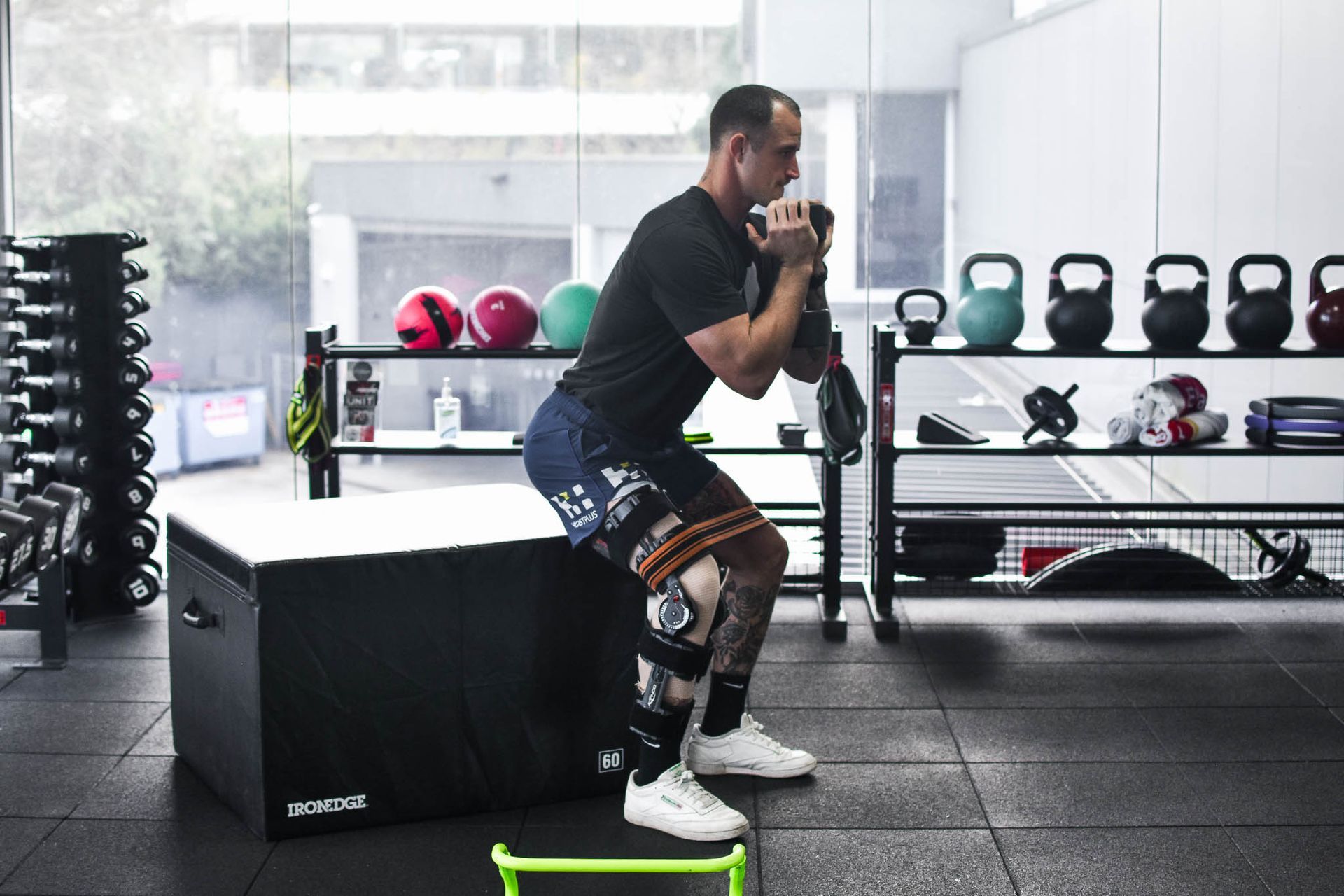
Placed into CAM boot but allowed to walk as tolerated. I would remain in boot for the first 2 weeks. For the first 72 hours, the injury was allowed to settle using the PRICE (protection, rest, ice, compression, and elevation) regularly. The boot was also able to be removed to complete basic ankle range of motion exercises, only to neutral or plantar grade. In the second week, I began balance exercises in the boot and commenced non-weight bearing exercises for the other lower limb muscle groups.
Week 3 – 4
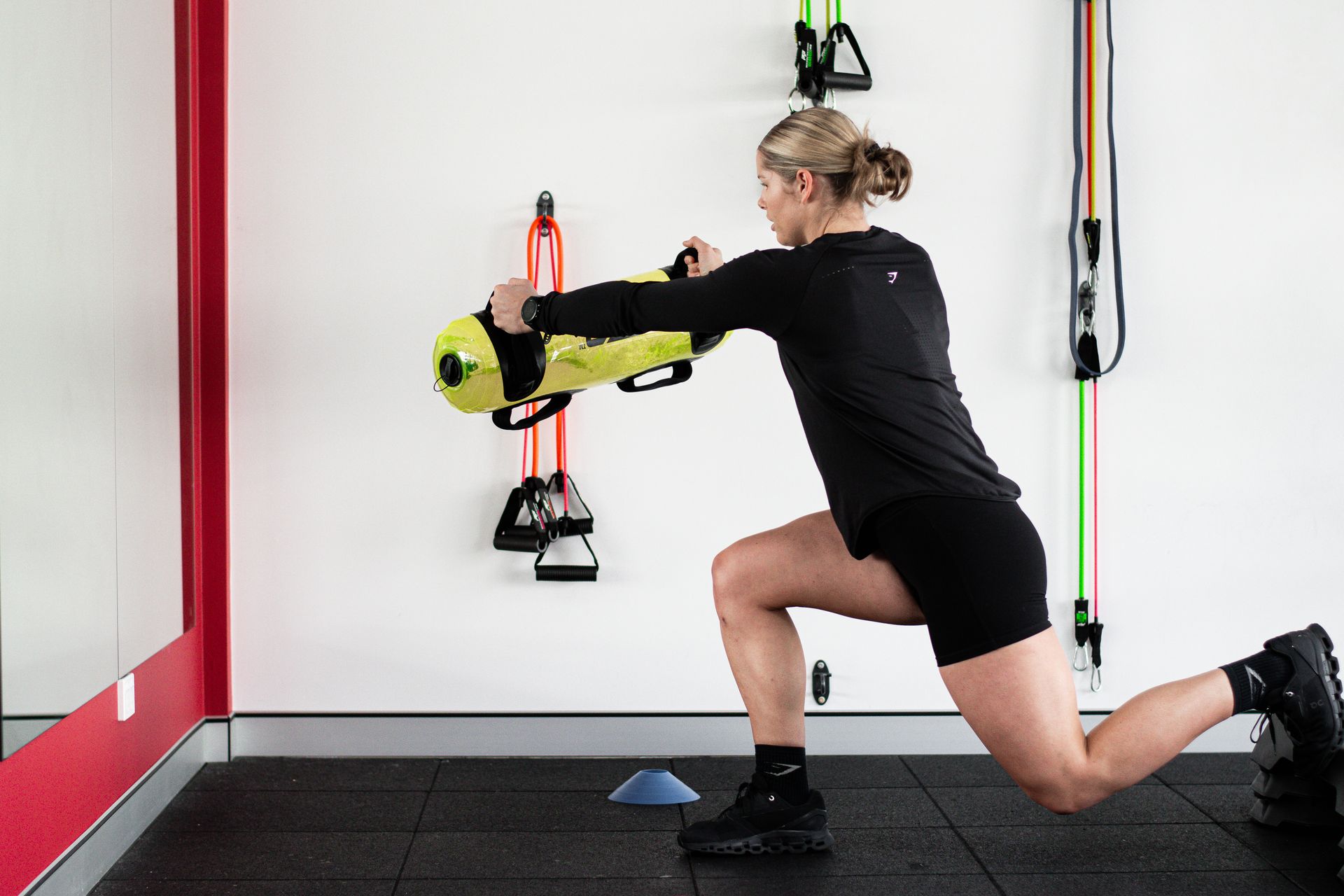
Boot was removed and I was able to commence double leg strength exercises in weight bearing positions. I could also commence exercise bike for conditioning. I also attend a local pool to begin hydrotherapy exercises such as water running, single leg strengthening and water jumps. The water allows you to complete these exercises at a reduced level of body weight without the chance of aggravation. All exercises were progressed with the physiotherapist and regular testing was undertaken to determine progression.
Week 5
Passed all Return to Running criteria and began to run with ankle strapped in straight lines. This was progressed during the week to increase intensity and slight directional changes. Exercises and strengthening continued to progress with plyometric and single leg strengthening.
Week 6
Running drills for change of direction were introduced. This progressed from simple drills with focus on technique to game simulated drills in chaos with an emphasis on maintaining technique. Re-introduced to light game-based skill drills such as passing and non-contact ball work.
Week 7-8
Progressed through all return to sport criteria during weeks 7-8 which was guided by a physiotherapist based on specific testing criteria. This criterion involved knee to wall differences between injured and non-injured side, symmetrical lower limb strength, various hopping tests, balance tests and questionnaires.
Overall, if managed well under the guidance of a physiotherapist , athletes and individuals can make a full recovery and return to their sport or activities without problems. It is important to note, as mentioned earlier, if your failure to complete guided rehab exercises and implement appropriate loading strategies, long term problems can occur.
If you have an ankle injury or have previously sustained a syndesmosis injury which continues to limit your function and activity levels, we can perform a detailed initial assessment and prescribe you a tailored exercise program to manage your symptoms and get you back on the field or track.
The post appeared first on Redfern Physiotherapy & Sports Medicine.