

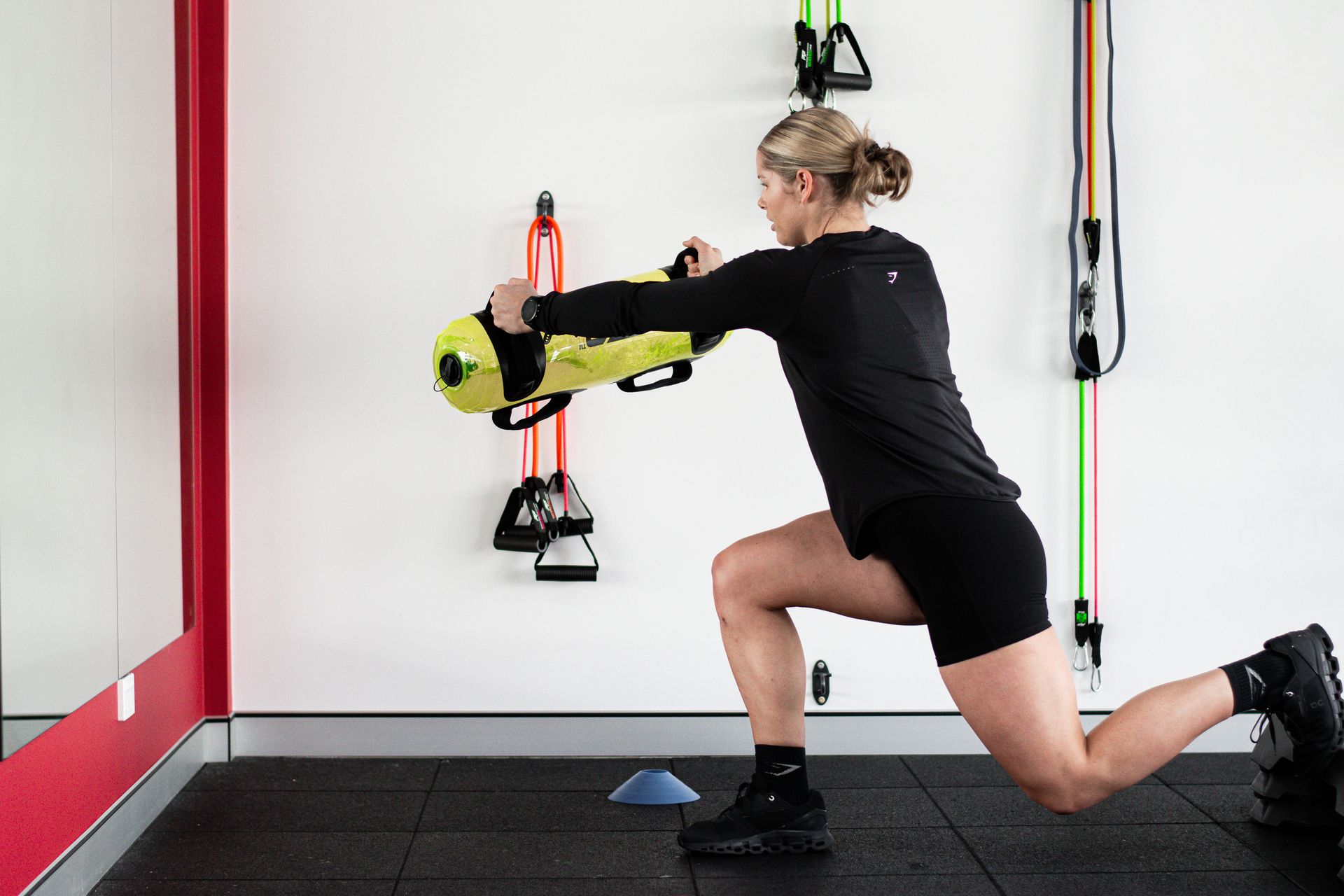

Active Recovery Physiotherapy vs. Rest: Stop Passive Recovery
You train hard, something hurts, and someone tells you to rest. You comply. Two weeks later you return to sport, feel stiff, undercooked, and somehow more injury-prone than before. This is not a coincidence. The instinct to stop moving when the body is under stress is deeply human, but the science of active recovery physiotherapy is unambiguous: prolonged passive rest slows tissue repair, deconditions the neuromuscular system, and puts athletes at a measurably higher risk of reinjury when they return. If you are an athlete or an active professional in Sydney who wants to perform at the highest level, the choice between passive rest and guided active recovery is not a minor tactical question. It defines the ceiling of your performance.
Table of Contents
Quick Takeaways
| Key Insight | Explanation |
|---|---|
| Passive rest weakens what surrounds the injury | Immobilisation reduces muscle strength, joint proprioception, and tissue tolerance even when the injured structure itself is healing. |
| Active recovery accelerates lactate clearance | Low-intensity movement increases blood flow, helping the body clear metabolic byproducts that accumulate during hard training and slow down performance restoration. |
| Evidence favours structured movement over inactivity for most soft-tissue injuries | Randomised controlled trials show that athletes on structured active recovery programs return to sport faster and with lower reinjury rates than those on passive rest protocols. |
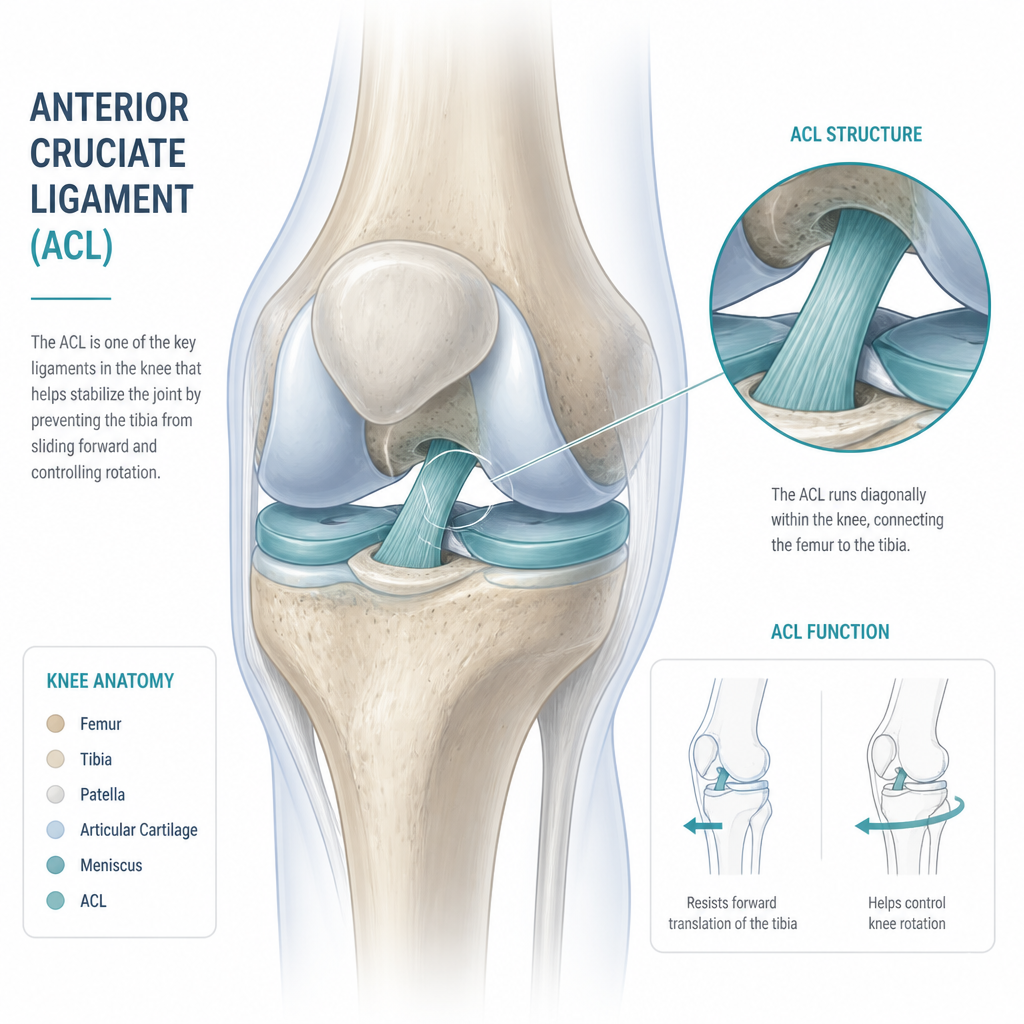
| Tendons, ligaments, and cartilage need mechanical load to heal properly | These tissues have relatively poor blood supplies. Controlled movement is one of the primary drivers of nutrient delivery and collagen remodelling in these structures. |
| Scar tissue quality is shaped by how you move during recovery | Passive healing often produces disorganised scar tissue that reduces flexibility. Guided loading aligns new collagen fibres along lines of functional stress. |
| Neuromuscular patterns do not survive extended inactivity | Motor control, reaction time, and coordination degrade rapidly during passive rest, which is why athletes who "rest through" an injury often feel uncoordinated on return. |
| Evidence-based physiotherapy in Alexandria matches recovery to the individual | Effective active recovery is not generic. It is prescribed based on injury type, training phase, fatigue levels, and sport-specific demands. |
Why Passive Recovery Fails Athletes
The traditional model is seductive in its simplicity: train hard, then do nothing and let the body fix itself. The problem is that this model was built on a misunderstanding of how the cardiovascular and neuromuscular systems actually adapt and repair. Passive rest removes pain signals in the short term, but it does not address the cascade of physiological events that follow tissue stress or injury.
When an athlete stops moving entirely, several things happen simultaneously. Muscle strength in the structures surrounding the injury begins to decline within days. Joint position sense, the proprioceptive feedback that tells the brain where a limb is in space, degrades quickly without the mechanical stimulation that movement provides. Circulation in already poorly-vascularised tissues like ligaments and cartilage slows, reducing the delivery of oxygen and nutrients that drive tissue repair.
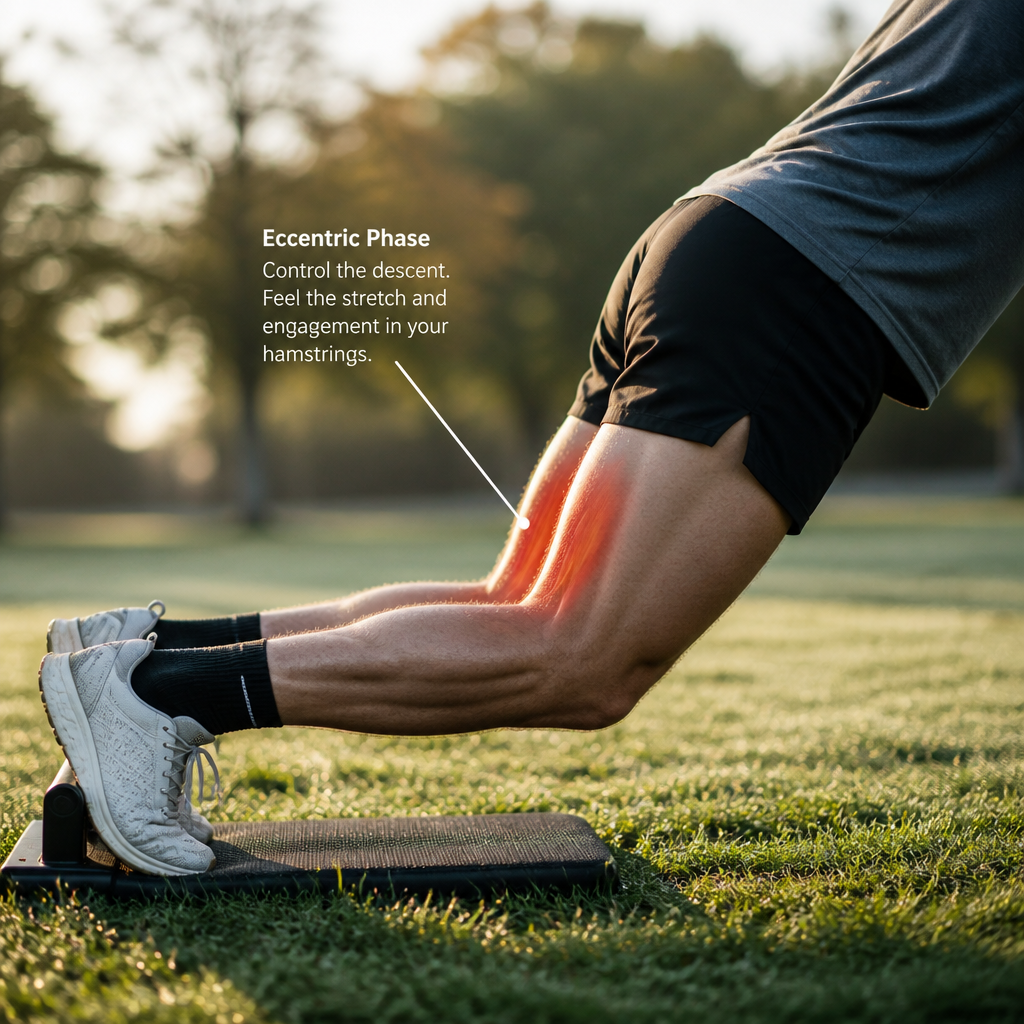
Scar tissue formation is perhaps the most underappreciated problem with passive recovery. When the body heals without mechanical guidance, the collagen fibres deposited at an injury site are laid down in a disorganised pattern. This produces scar tissue that is structurally weaker, less flexible, and less functional than the original tissue. The practical result is that an athlete who rests passively through a hamstring strain or a shoulder impingement often returns to training with reduced range of motion, altered mechanics, and a tissue structure that is primed for a repeat injury.
Rest alone does not address the underlying causes of an injury. When athletes return to activity without proper rehabilitation, the risk of reinjury rises significantly because the root-cause movement faults were never corrected.
There is also a psychological cost to passive rest that is rarely discussed. Prolonged inactivity in competitive athletes correlates with increased anxiety, reduced confidence, and a heightened fear of movement. These psychological states directly affect how an athlete returns to sport, often producing the hesitation and guarded movement patterns that paradoxically increase the chance of a second injury.


What Active Recovery Physiotherapy Actually Means
Active recovery is not simply "doing some light stretching." In a clinical physiotherapy context, it refers to a structured, criterion-based program of controlled movement prescribed and progressed by a physiotherapist according to the athlete's current tissue capacity, injury stage, sport demands, and training load.
The Spectrum of Active Recovery Interventions
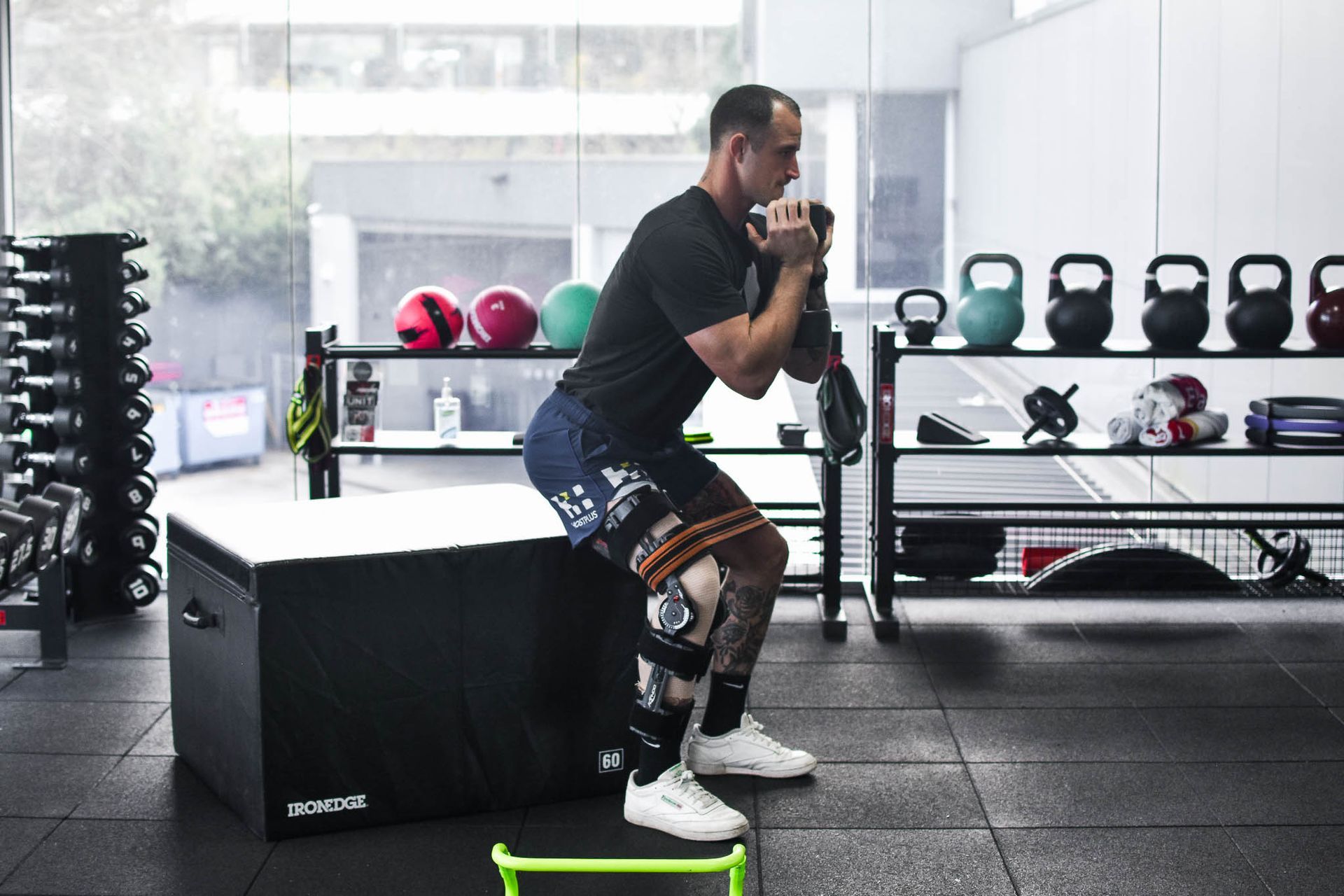
At the lighter end of the spectrum, active recovery might mean a 30-minute session on a stationary bike at low resistance, maintaining heart rate in a zone that drives blood flow without creating additional tissue stress. For a runner recovering from a calf injury, this might mean pool walking while the calf is off-loaded, preserving cardiovascular fitness and limb circulation while the tissue heals.
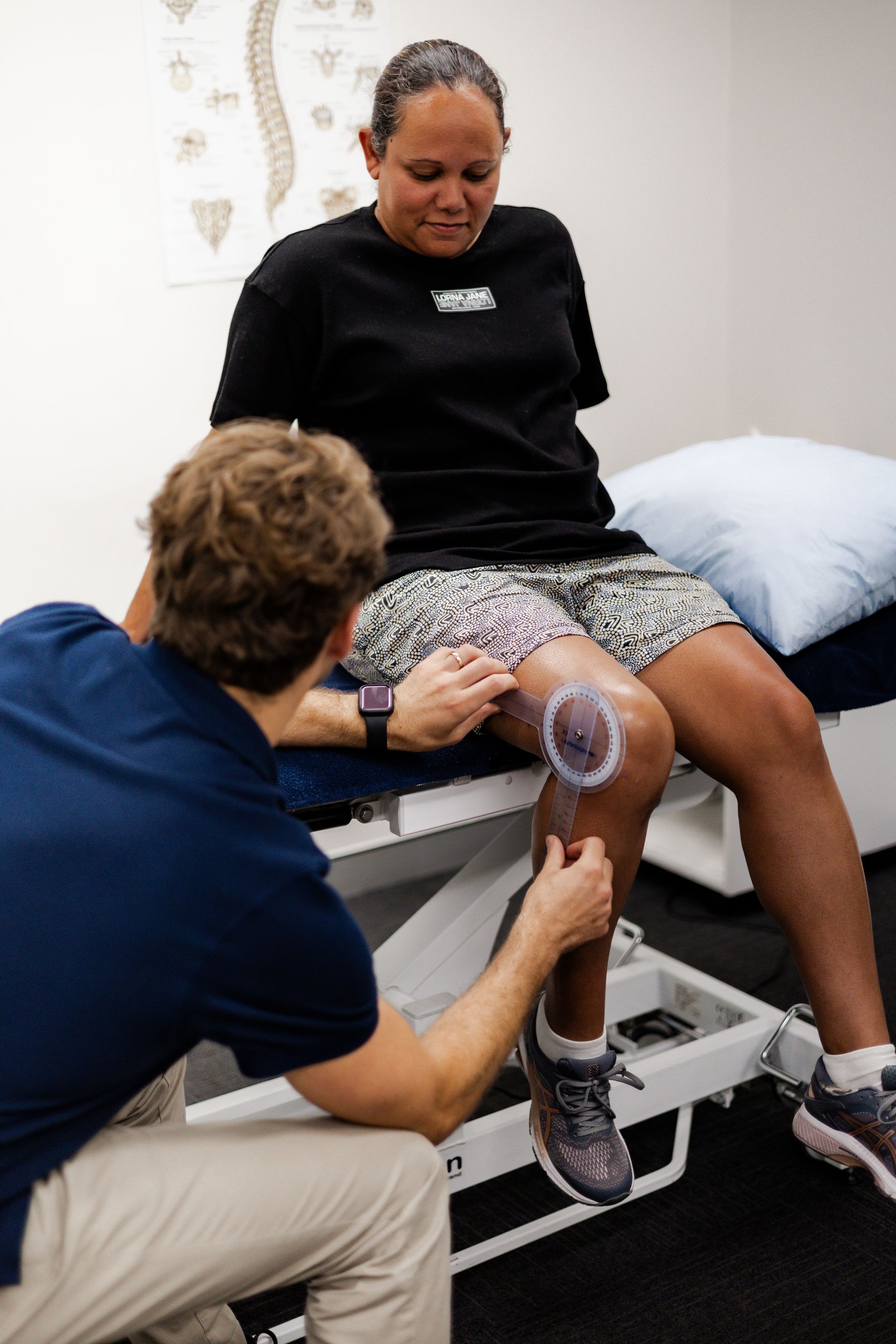
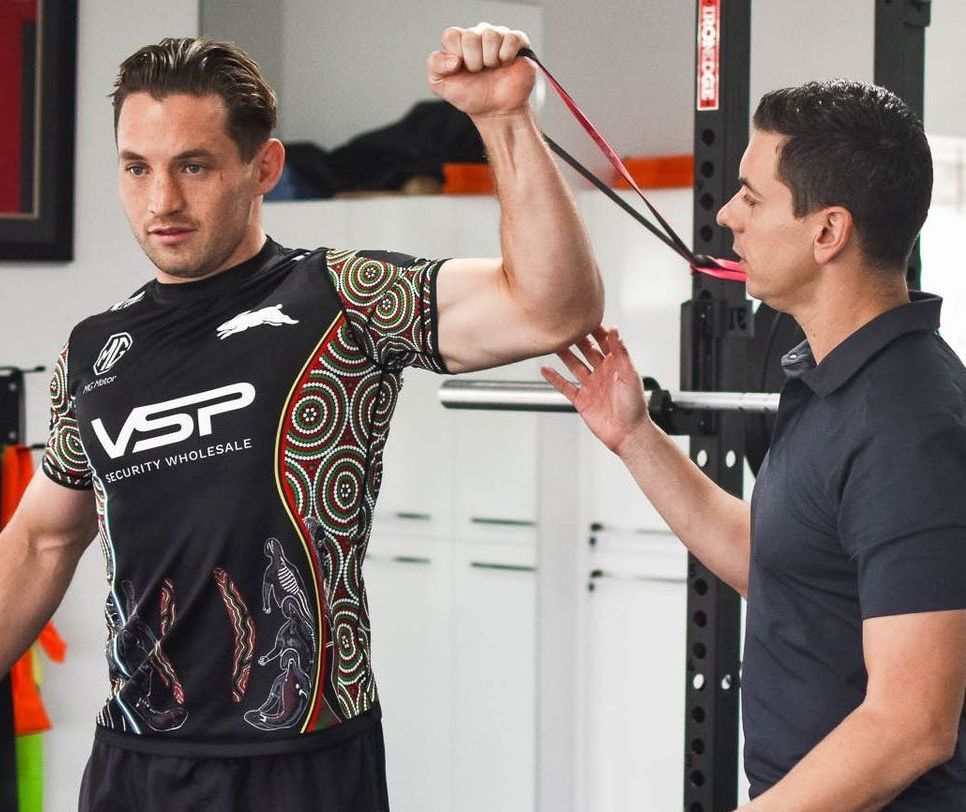
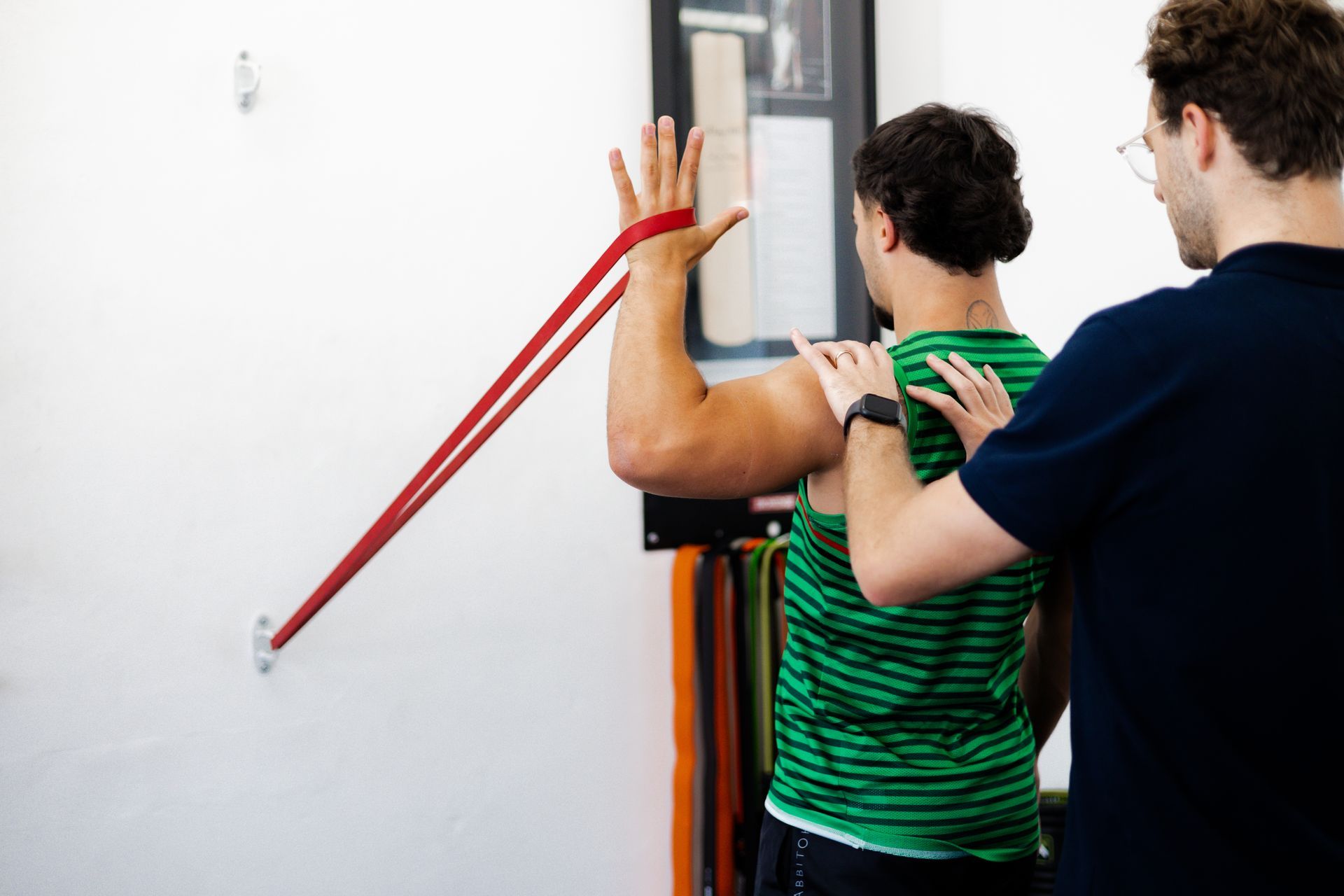
Further along the spectrum, active recovery includes targeted strengthening of the muscles that support the injured structure, proprioceptive re-training drills, movement pattern correction, and gradual loading of the injured tissue itself using principles of progressive overload. This is where the clinical skill of a physiotherapist becomes essential: knowing exactly how much load a healing tendon can tolerate on day 10 versus day 21, and how to progress that load without tipping into re-injury territory.
Mobilising Adjacent Areas During Unavoidable Rest
For injuries requiring genuine immobilisation, such as certain post-surgical protocols, active recovery physio still has a role . Working the joints and muscles proximal and distal to the injury site preserves overall conditioning, prevents compensatory movement patterns from taking hold, and keeps the nervous system engaged in the rehabilitation process. This is standard practice in evidence-based physiotherapy and one of the reasons athletes under expert care consistently outperform those who manage recovery on their own.
Pro tip: If you are told to "rest" after an injury, always ask what specifically should stay still and what can keep moving. In most soft-tissue injuries, the answer is that the injury site needs protection, not the entire limb or the entire body.
The Biology Behind Active Recovery
Understanding why active recovery works requires a basic grasp of three biological processes: lactate clearance, tissue perfusion, and mechanotransduction.
Lactate Clearance and Performance Restoration
After high-intensity training or competition, metabolic byproducts accumulate in the muscles. Low-intensity movement is one of the most effective ways to clear these byproducts because it increases blood flow without generating additional metabolic waste. Research published in peer-reviewed sports science literature confirms that active recovery through low-intensity exercise is more effective than total rest for performance restoration, with the mechanism being the maintenance of elevated circulation that delivers nutrients to repair damaged tissue while removing what no longer belongs there.
Tissue Perfusion in Low-Vascular Structures
Tendons, ligaments, and cartilage are notoriously poor at receiving blood supply compared to muscle. This is why injuries to these structures take longer to heal and why the quality of that healing matters so much. Controlled movement drives synovial fluid circulation in joints and creates the intermittent compression and decompression that pushes nutrients into cartilage. Without this mechanical stimulus, these structures receive a fraction of the inputs they need to repair effectively.
Mechanotransduction: Load as a Signal for Tissue Repair
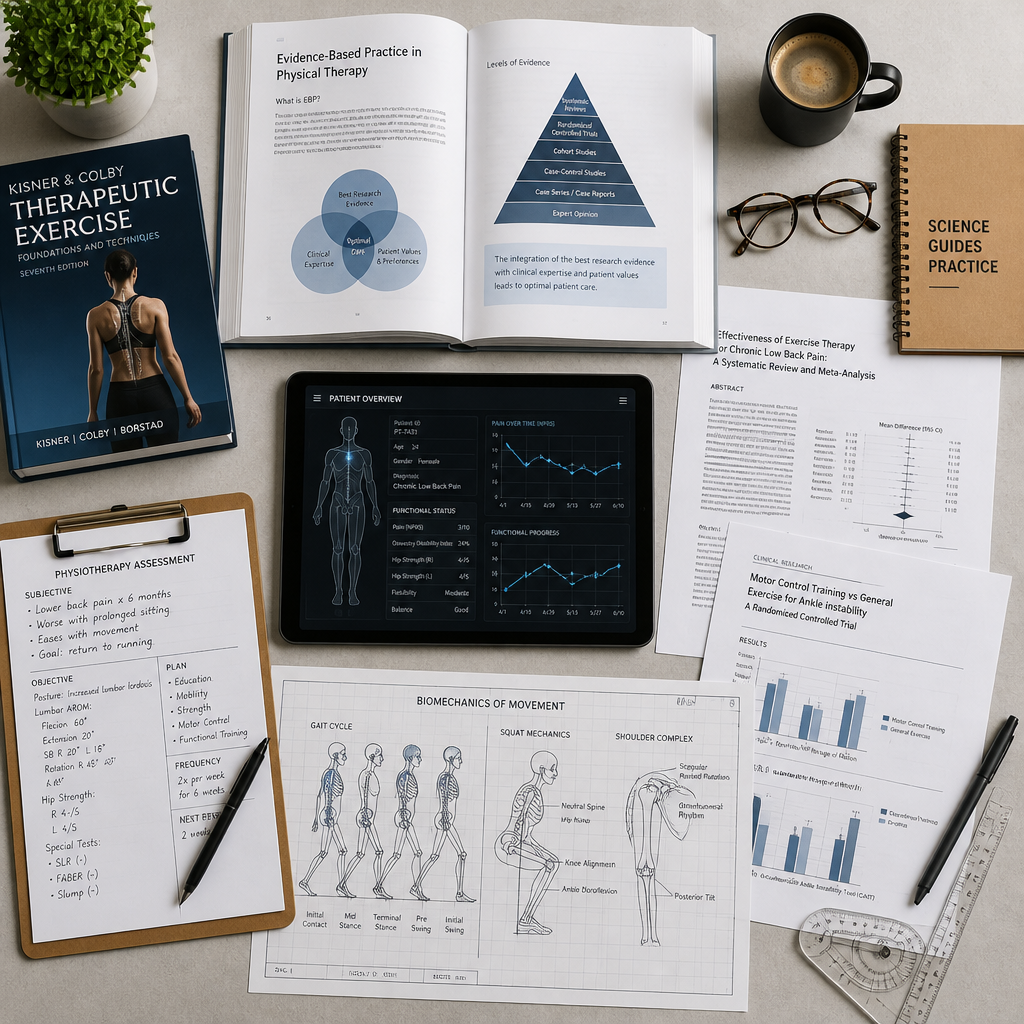
Mechanotransduction is the process by which cells detect and respond to mechanical forces. When a tendon is loaded appropriately during recovery, the tenocytes within it receive a signal to produce collagen and organise that collagen along functional lines of stress. When a tendon is left completely unloaded during passive rest, this signal is absent and the resulting repair is architecturally inferior. This is not a fringe theory. It is the foundation of evidence-based tendon rehabilitation programs used by physiotherapists working with elite athletes at every level of sport.
Pro tip: Zone 2 cardiovascular training, where you maintain a heart rate in the 60-70% of maximum range, is one of the most reliable active recovery tools for athletes. The key marker is that you should feel better at the end of the session than when you started. If fatigue accumulates, intensity is too high.

Active vs. Passive Recovery: A Direct Comparison
The differences between these approaches are not subtle. Across every measurable outcome that matters to an athlete, structured active recovery outperforms passive rest when prescribed correctly by a qualified physiotherapist. The table below summarises the core distinctions.
| Recovery Approach | Key Mechanisms and Benefits | Limitations and Risks |
|---|---|---|
| Passive Rest (complete inactivity) | Reduces acute pain signals in the short term; allows the nervous system to downregulate after extreme overload; appropriate for the first 24-48 hours of an acute injury in some cases | Accelerates muscle atrophy and proprioceptive decline; produces disorganised scar tissue; fails to address the movement faults that caused the injury; high reinjury risk on return to sport |
| Active Recovery (low-intensity, guided movement) | Maintains blood flow and lactate clearance; preserves cardiovascular fitness; keeps the neuromuscular system engaged; delivers mechanical signals for organised tissue repair; maintains psychological confidence and readiness | Requires correct prescription to avoid overloading healing tissue; must be individualised to injury type and stage; not appropriate for certain acute presentations without assessment |
| Structured Physiotherapy Rehabilitation (criterion-based progressive loading) | Encompasses active recovery principles plus progressive loading, movement re-education, sport-specific conditioning, and evidence-based injury prevention; produces the fastest and most durable return-to-sport outcomes; reduces long-term reinjury risk | Requires professional oversight; requires athlete commitment and compliance with prescribed progressions; not a substitute for acute medical management of serious injuries |
How Sports Performance Physio in Sydney Applies These Principles
The gap between knowing that active recovery is superior and actually executing it correctly is where most athletes fall down. Effective active recovery is highly specific. The program for a rugby forward with a grade 2 ankle sprain is fundamentally different from the program for a swimmer with rotator cuff tendinopathy, even if both athletes are at the same stage of healing.
Individual Load Management
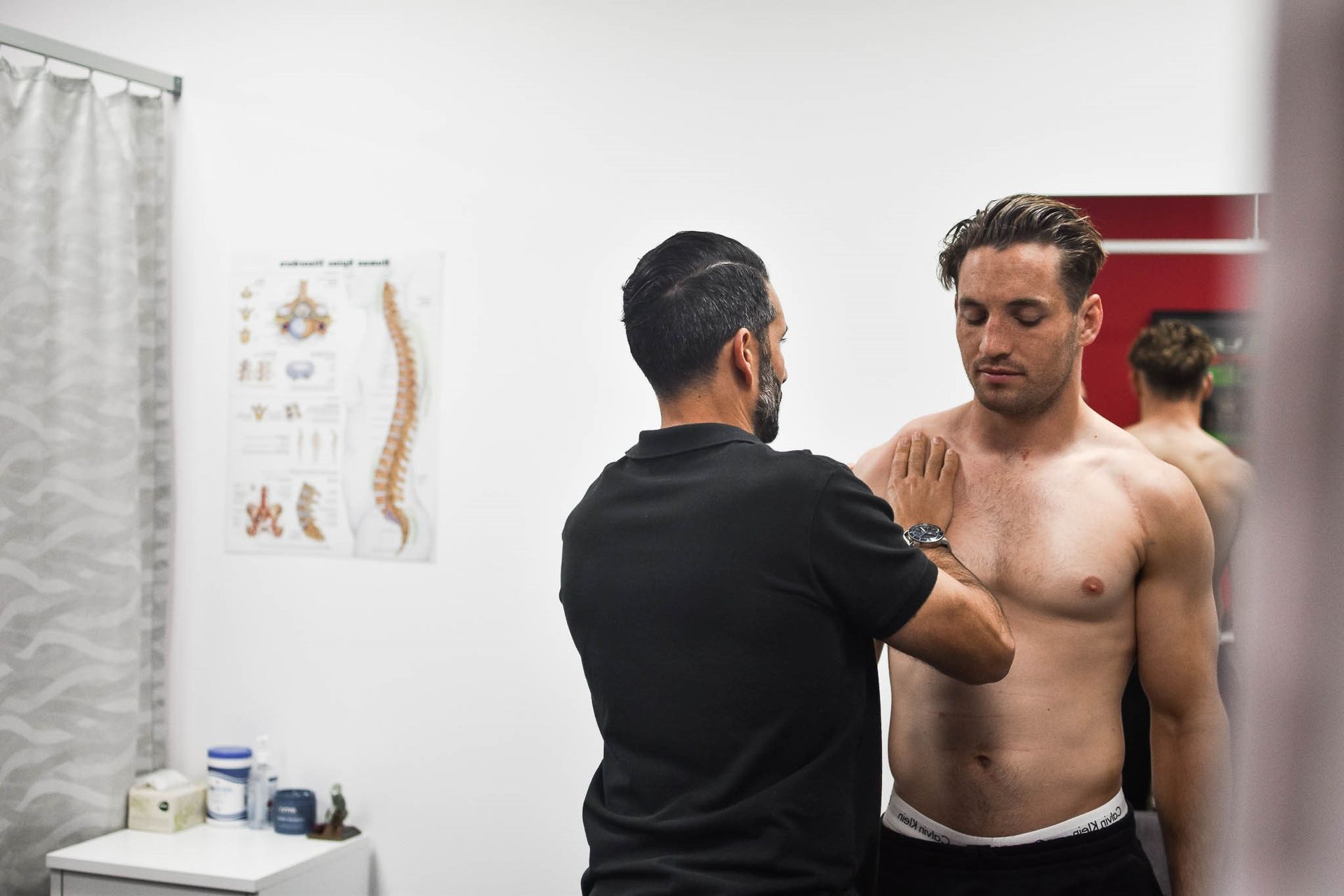
At Alexandria Physio, load management is built into every rehabilitation program from the first assessment. The physiotherapist identifies not just what tissue is injured but how much load it can currently tolerate, what direction of load is beneficial versus harmful, and how that tolerance is expected to change over time. This is then matched to the athlete's competition calendar, training demands, and individual recovery capacity.
Sport-Specific Movement Re-Education
One of the most frequently missed steps in passive recovery is that athletes return to sport having rested through their injury, but they never corrected the underlying movement fault that created vulnerability in the first place. Evidence-based physiotherapy in Alexandria specifically targets these root causes: whether that is hip control affecting knee load in a runner, thoracic stiffness driving shoulder overuse in a swimmer, or poor landing mechanics contributing to ankle reinjury in a court sport athlete.
Progressive Return-to-Sport Criteria
A structured return-to-sport program uses objective criteria, not a symptom-free time period, to determine when an athlete is ready to resume full training. Criteria might include achieving a specific percentage of limb symmetry on a strength test, completing a sport-specific agility task without pain or compensation, or reaching a defined cardiovascular fitness benchmark. This criterion-based approach is one of the clearest differentiators between sports performance physio in Sydney delivered at a high standard and generic rehabilitation that sends athletes back "when the pain is gone."
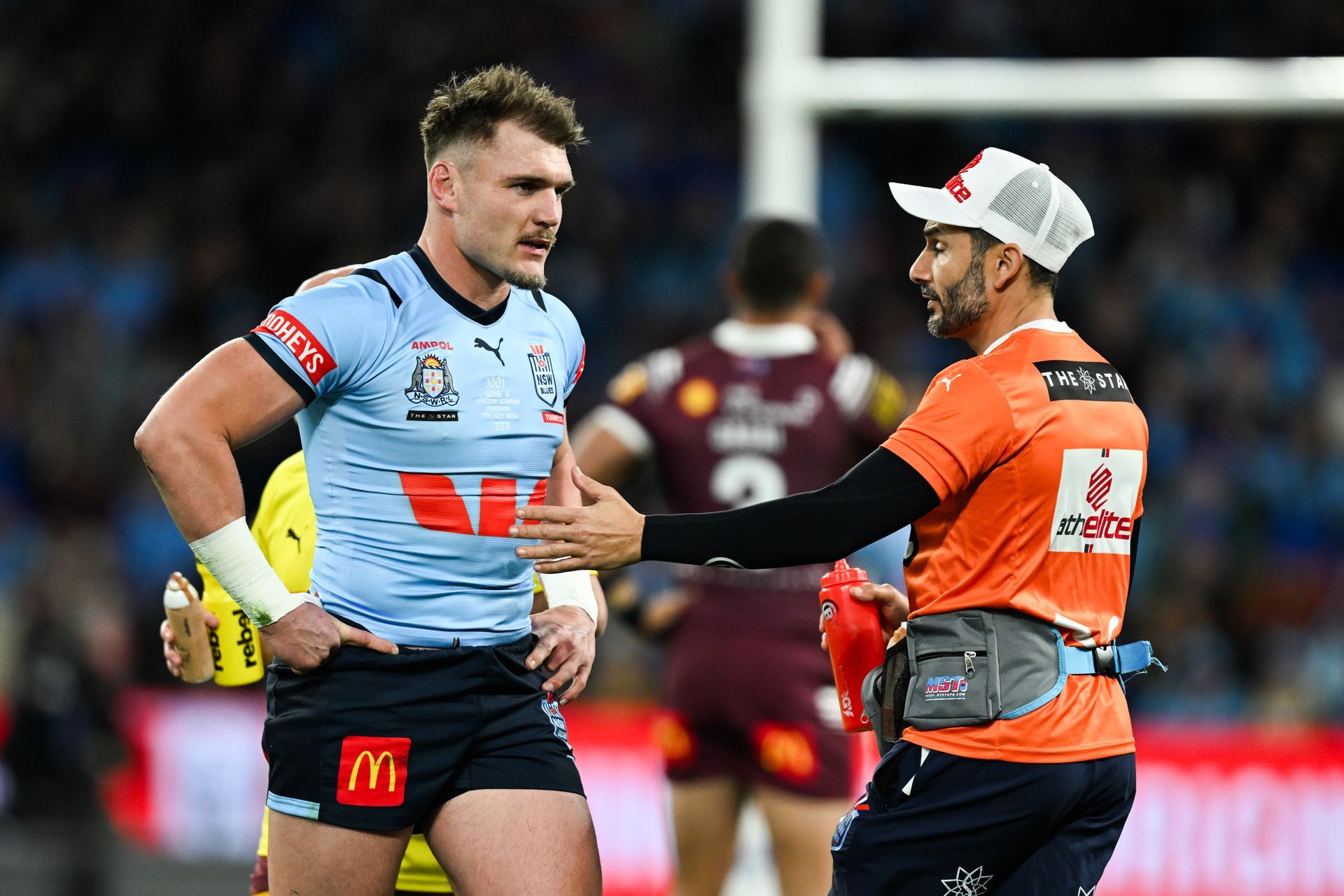
The clinical team at Alexandria Physio, led by practitioners with deep roots in elite sport including professional rugby league and state representative programs, applies exactly this standard of care to every athlete on the treatment table, regardless of whether they play professionally or compete on weekends.
When Rest Is Genuinely Appropriate
Advocating for active recovery does not mean dismissing rest entirely. There are specific clinical situations where rest or relative rest is the correct short-term intervention, and conflating "active recovery is better than passive rest" with "you should never rest" is a misreading of the evidence.
In the first 24 to 72 hours of an acute moderate-to-severe injury, relative rest, meaning protection of the injured structure combined with movement of everything else, is appropriate. Acute fractures, post-surgical presentations, and certain tendon ruptures require periods of protected immobilisation before loading begins. The skill is in knowing when that protection phase ends and when loading must begin to drive optimal healing.
Systemic fatigue, where the entire nervous system is overloaded from cumulative training stress, is another context where passive rest has a role. But this is distinct from soft-tissue injury management and is typically a short-term reset, measured in days rather than weeks, within a broader periodised recovery plan.
The core principle holds: rest is a tool, not a default. Using it by default, because no one has taken the time to prescribe a proper active recovery program, is where athletes consistently lose weeks of productive rehabilitation time and compound their injury risk on return to sport.
Frequently Asked Questions
How soon after an injury should I start active recovery?
For most soft-tissue injuries, some form of active recovery can begin within 24 to 72 hours of the initial injury, once acute bleeding and significant swelling have been controlled. The exact timing depends on the injury type, severity, and affected structure. A physiotherapist can assess your specific presentation and prescribe the appropriate type and volume of movement for your injury stage. Starting earlier, under proper guidance, consistently produces better outcomes than waiting until pain resolves.
Is active recovery physiotherapy different from just doing light exercise?
Yes, significantly. Light exercise on its own addresses general blood flow but does not target the specific deficits that follow an injury: the strength asymmetries, proprioceptive loss, movement pattern faults, and tissue loading requirements unique to your injury. Active recovery physiotherapy is a clinically prescribed program that addresses all of these simultaneously, progressed according to your individual tissue response and functional objectives. The difference in outcomes between generic light exercise and structured active recovery physio is substantial.
Can I do active recovery if my injury is still painful?
Pain during active recovery does not automatically mean you are causing harm, but it requires careful interpretation. The goal is to find movement that is within your current tissue tolerance, which may mean working at intensities or in movement directions that are pain-free or at the low end of discomfort. A physiotherapist will help you distinguish between the expected discomfort of loaded healing tissue and pain signals that indicate genuine overload. Self-managing this distinction without clinical guidance is one of the most common sources of setbacks in injury recovery.
Does massage therapy count as active recovery?
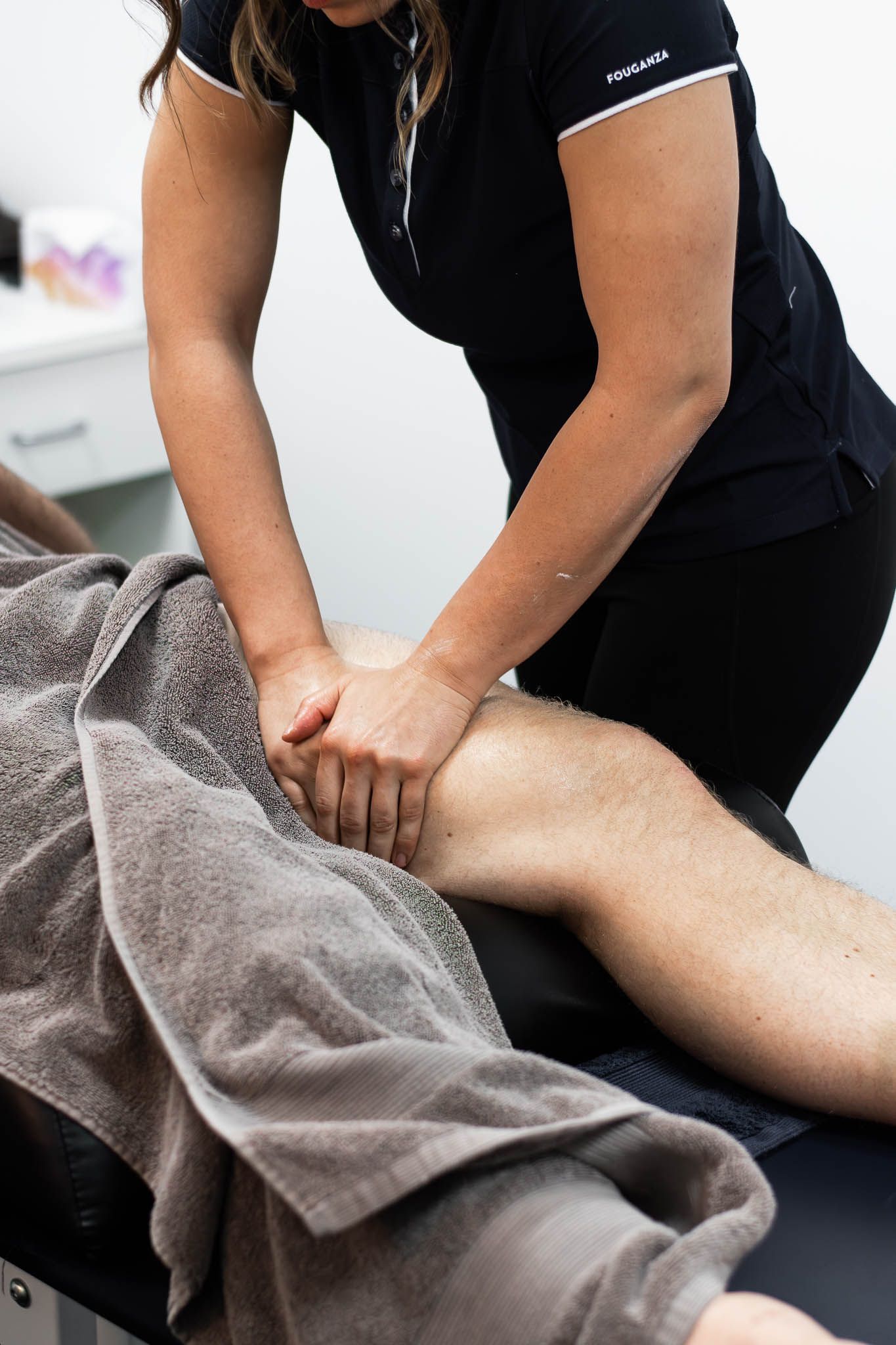
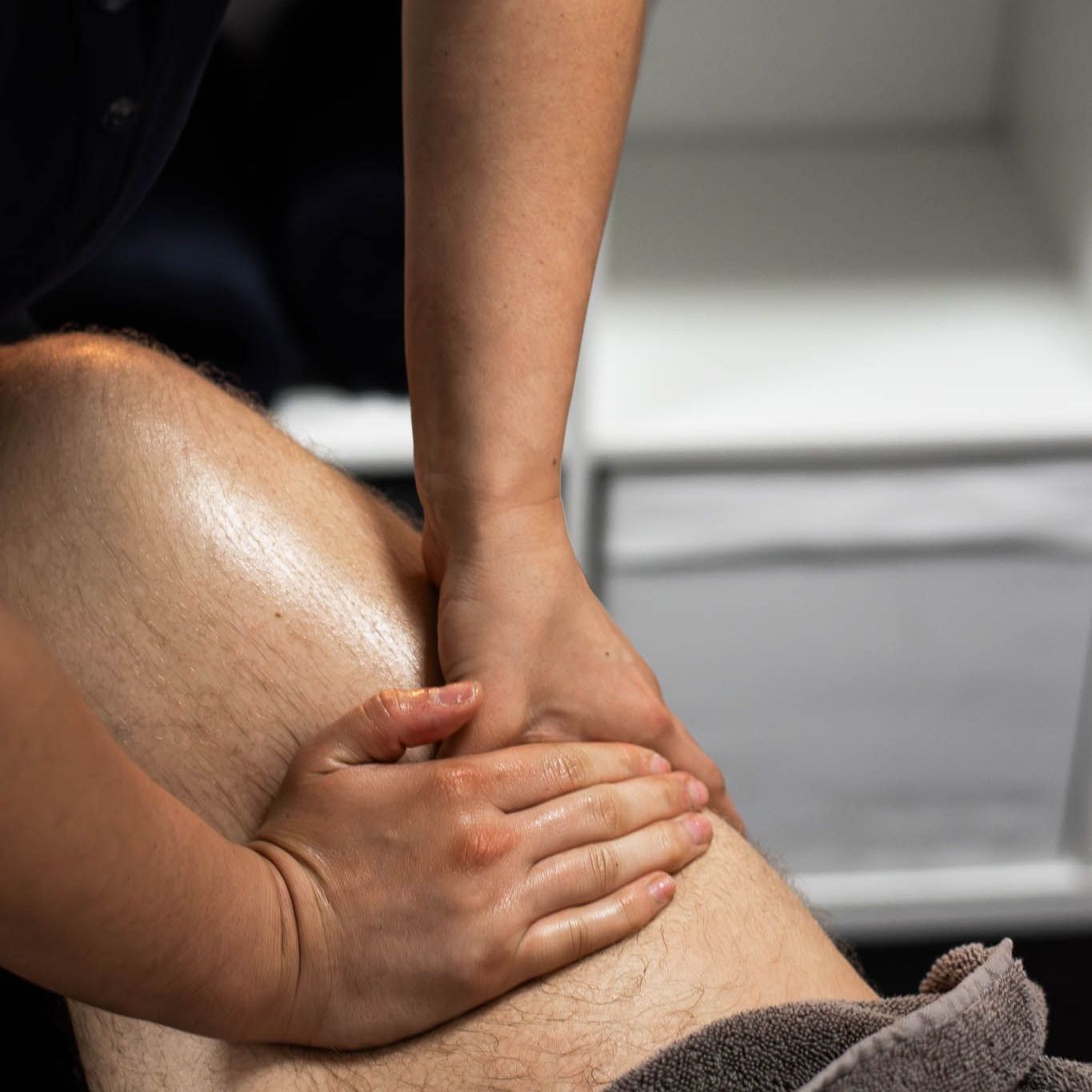
Massage therapy is a valuable adjunct to rehabilitation and has good evidence for reducing muscle soreness and improving tissue perfusion, but it is technically a passive intervention. It works best as a complement to active recovery physiotherapy, not a replacement for it. At Alexandria Physio, massage therapy is integrated into rehabilitation programs where it serves a specific clinical purpose: reducing tension that restricts movement, supporting nervous system recovery, or addressing myofascial restrictions that are limiting functional movement patterns.
How does active recovery differ between elite athletes and recreational athletes?
The physiological principles are the same. The prescription differs in volume, intensity, and complexity. An elite athlete may have a more demanding return-to-sport criteria, a tighter competition timeline, and a higher baseline of fitness that changes how quickly progressive loading can occur. A recreational athlete may need more attention to basic movement quality and load tolerance before sport-specific conditioning can begin. What matters in both cases is that the program is individualised and evidence-based, not generic. An athlete at any level benefits from professional assessment and a structured active recovery program over passive rest.
What makes evidence-based physiotherapy in Alexandria different from managing recovery at home?
Home-managed recovery lacks the clinical assessment needed to identify exactly what is injured, how severely, what structures are compensating, and what the appropriate loading progression looks like. Athletes managing recovery independently tend to either under-load, staying too cautious too long and losing fitness and tissue quality, or over-load, returning too quickly and reinjuring themselves. Evidence-based physiotherapy provides the clinical reasoning, hands-on treatment, and structured progression that bridges the gap between injury and full performance. It also identifies and corrects the movement faults that created the injury in the first place, which is the step that home recovery almost always skips.
Have you experienced the difference between passive rest and structured active recovery? Share what worked and what did not in your recovery journey, because every story adds to the collective understanding of what high-performance rehabilitation actually looks like in practice.
References
- Guide to active recovery for athletes during physical therapy: how structured low-intensity movement outperforms passive rest
- Frontiers in Physiology: exercise-mediated lactate clearance, blood flow, and recovery mechanisms in athletes
- Randomised controlled trial comparing active and passive recovery strategies on pain, mobility, and rehabilitation duration in athletes with lower limb injuries
- Why rest alone is not enough after an injury: the case for controlled movement and guided rehabilitation
- ScienceDirect: active recovery, lactic acid clearance, and the role of movement in restoring physical performance between training sessions