
ACL Rehabilitation Sydney: The Complete Recovery Guide
An ACL tear does not end a sporting career. But a poorly managed rehabilitation program very often does. Whether you tore your ACL on the football field, the basketball court, or simply landing awkwardly at the gym, the path back to full function is long, specific, and unforgiving of shortcuts. ACL rehabilitation in Sydney is not a one-size-fits-all process, and the difference between returning to sport in nine months versus being stuck at eighteen months almost always comes down to the quality of your rehabilitation program and the expertise guiding it. This guide covers every phase, every key exercise, and every decision point you need to understand before you begin.
Table of Contents
- What Actually Happens to Your ACL
- Quick Takeaways
- The Five Phases of ACL Rehabilitation
- Surgery or No Surgery: Making the Right Call
- ACL Graft Types and What They Mean for Your Rehab
- Key Exercises by Phase
- Return to Sport Criteria: Not Just a Calendar
- Approach Comparison: Criteria-Based vs. Time-Based vs. Pain-Guided
- Common Mistakes That Extend Recovery
- ACL Rehabilitation at Alexandria Physio
- Frequently Asked Questions
- References
What Actually Happens to Your ACL
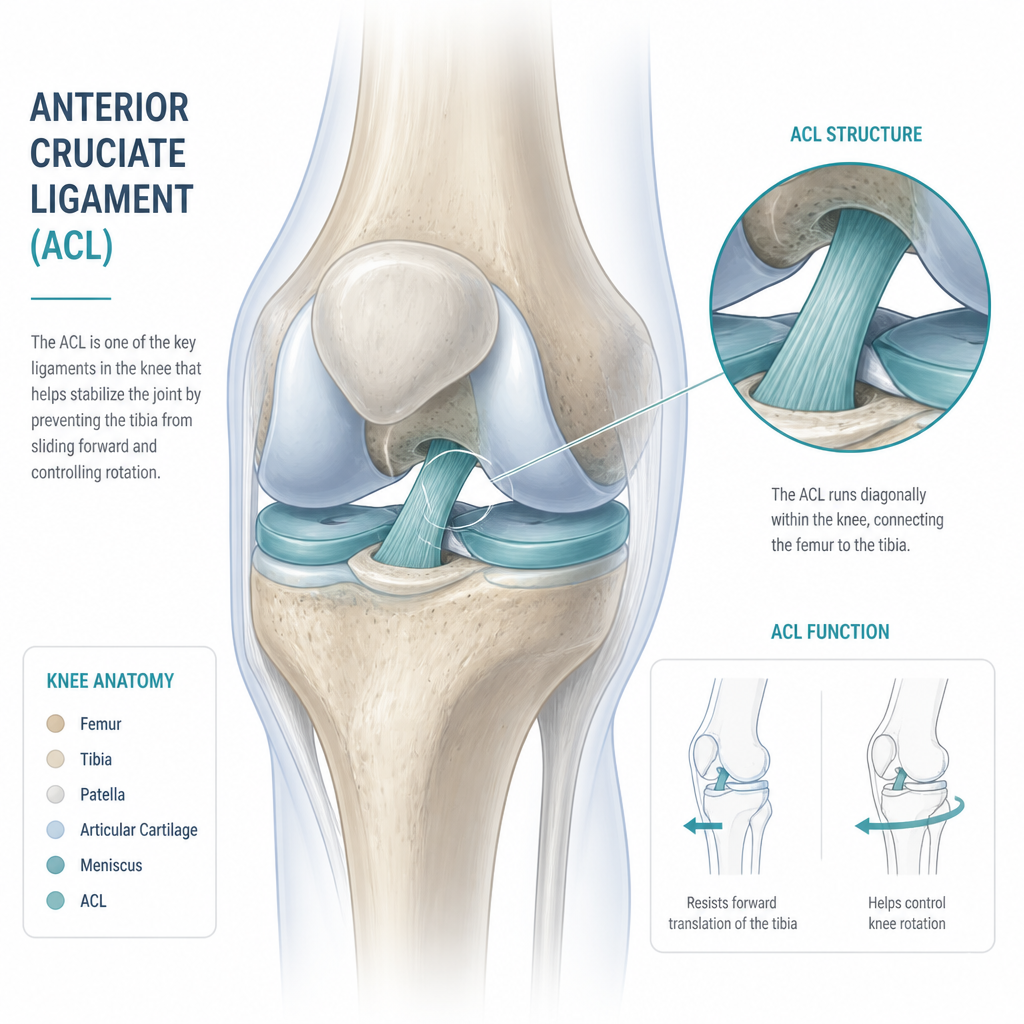
The anterior cruciate ligament is one of four primary stabilising ligaments of the knee. It prevents the tibia from sliding forward relative to the femur and controls rotational forces during cutting and pivoting movements. When it ruptures, you typically hear a "pop," experience immediate instability, and develop significant swelling within the first few hours.
A complete ACL rupture does not heal on its own with meaningful structural integrity. Unlike muscle tissue, ligaments have poor blood supply and the repaired tissue does not replicate the mechanical properties of the original. This is why treatment, whether surgical or conservative, requires a structured, expert-led rehabilitation program, not rest alone.
Quick Takeaways
| Key Insight | Explanation |
|---|---|
| Timeline is 9 to 18 months | Return to sport following ACL reconstruction generally ranges from 9 to 18 months, depending on the individual, their sport, and adherence to the rehab program. |
| Criteria-based progression beats time-based | Advancing through rehab phases based on measurable benchmarks, not just weeks on a calendar, significantly reduces re-injury risk. |
| Quadriceps activation is the first priority | Restoring quad function in the first days after surgery is non-negotiable. Delay here adds months to your overall recovery. |
| Full knee extension must be restored early | Patients who fail to regain full extension in the first two weeks frequently develop chronic stiffness and instability that is very difficult to correct later. |
| The 90% Limb Symmetry Index is the gold standard | Evidence supports greater than 90% LSI on quadriceps and hamstring strength plus functional hop tests before any return to competitive sport is considered. |
| Graft type affects exercise selection | Patellar tendon and hamstring grafts each produce different strength deficits that require targeted exercise prescription throughout rehab. |
| Non-surgical rehab is a legitimate option for some | Not everyone with an ACL tear needs surgery. Older adults, low-demand athletes, and partial tears can achieve excellent outcomes with skilled physiotherapy alone. |
The Five Phases of ACL Rehabilitation
ACL rehabilitation is best understood as five distinct phases, each with specific biological realities, measurable goals, and exercises calibrated to where the graft or injured tissue actually is in its healing process. Rushing any phase does not build resilience. It builds the conditions for re-rupture.
Phase 1: Acute Management (Days 0 to 14)
The immediate priority after ACL reconstruction is swelling control, pain management, and restoring knee extension. In the first 72 hours, patients are typically non-weight bearing, using crutches, with ice, compression, and elevation applied consistently. Neuromuscular electrical stimulation (NMES) is commonly used by experienced physiotherapists to begin reactivating the quadriceps muscle, which shuts down rapidly in response to joint effusion.
The graft is at its weakest point during this entire window. It undergoes a process called ligamentization, where the transplanted tendon begins transforming into a functional ligament. Aggressive loading at this stage risks graft damage before it has established adequate blood supply. The work here is deliberate and low-load: passive range of motion, quad sets, straight-leg raises, and heel slides.
Pro tip: If your knee does not reach full extension by the end of week two, flag it with your physiotherapist immediately. Extension loss that is allowed to persist becomes exponentially harder to correct and is one of the most common causes of chronic post-surgical dysfunction.
Phase 2: Early Strengthening (Weeks 2 to 6)
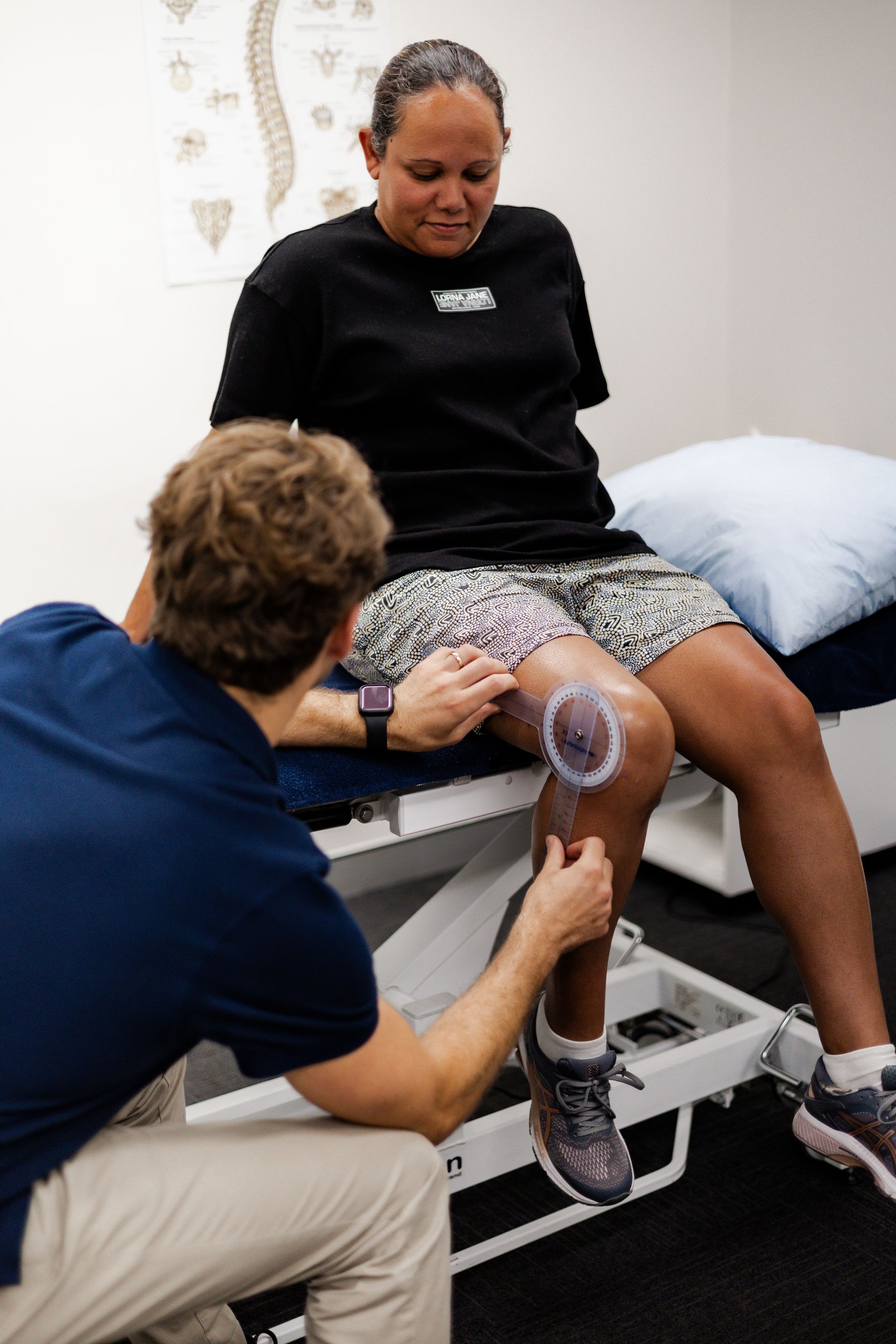
By weeks two to three, weight bearing progresses to full and crutches are discarded. Physiotherapy intensity increases significantly. The focus shifts to restoring normal gait mechanics, rebuilding quadriceps and hip strength, and achieving roughly 90 to 120 degrees of pain-free knee flexion. Exercises in this phase include calf raises, hip abduction strengthening, step-ups, mini squats, and gait re-education drills. Low-impact cardiovascular activity such as stationary cycling and walking is reintroduced to maintain fitness without loading the graft excessively.

Phase 3: Progressive Loading (Weeks 6 to 16)
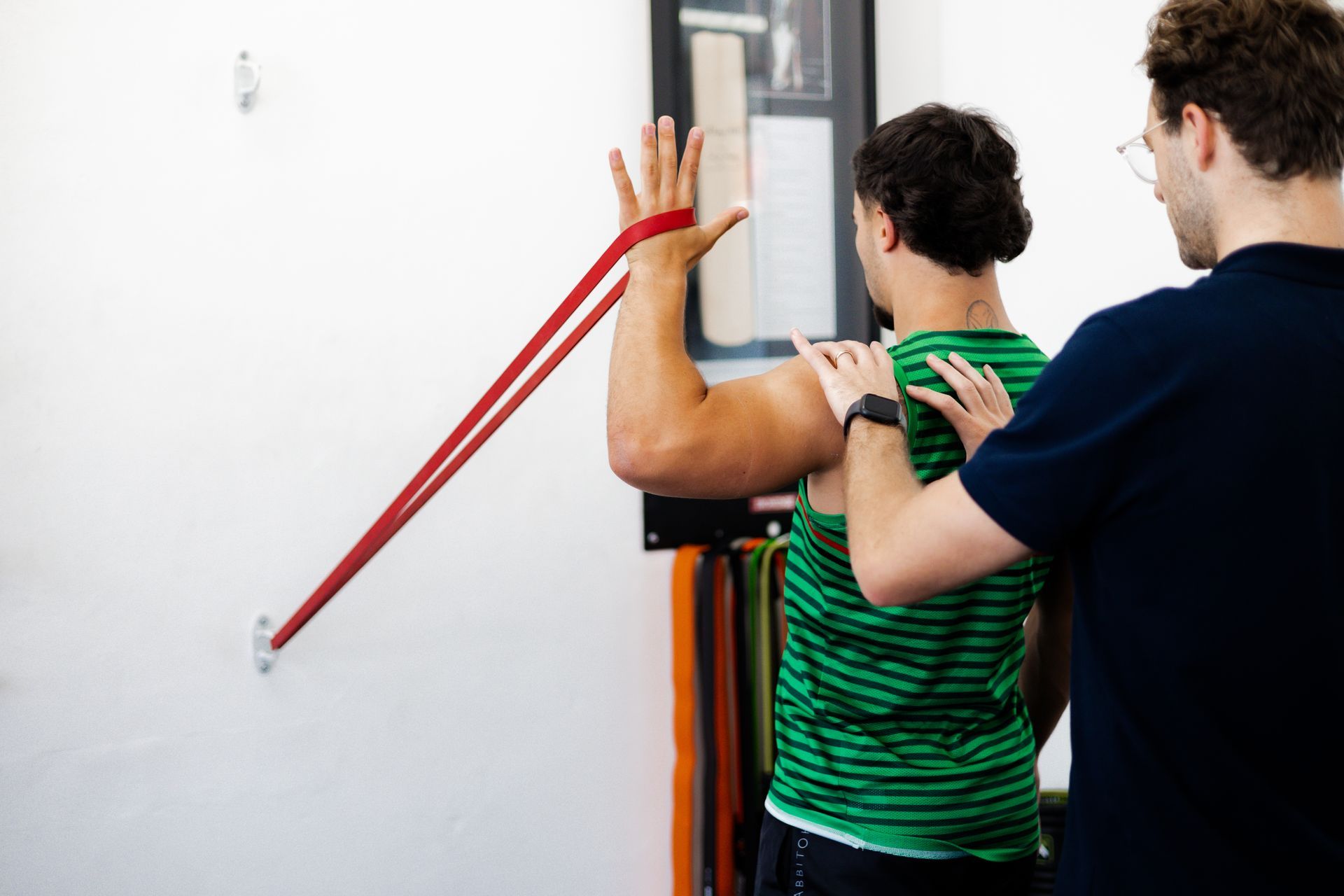
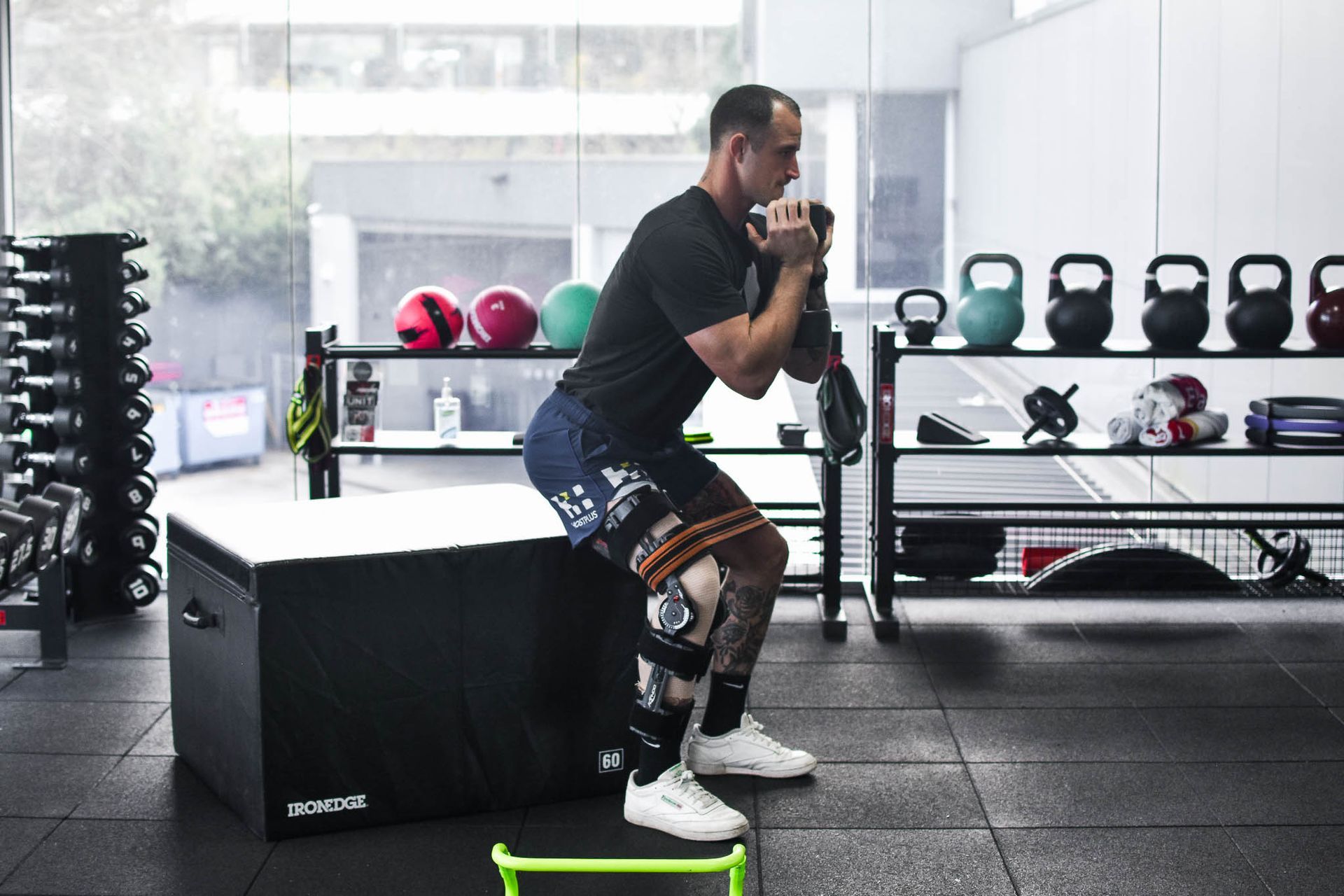
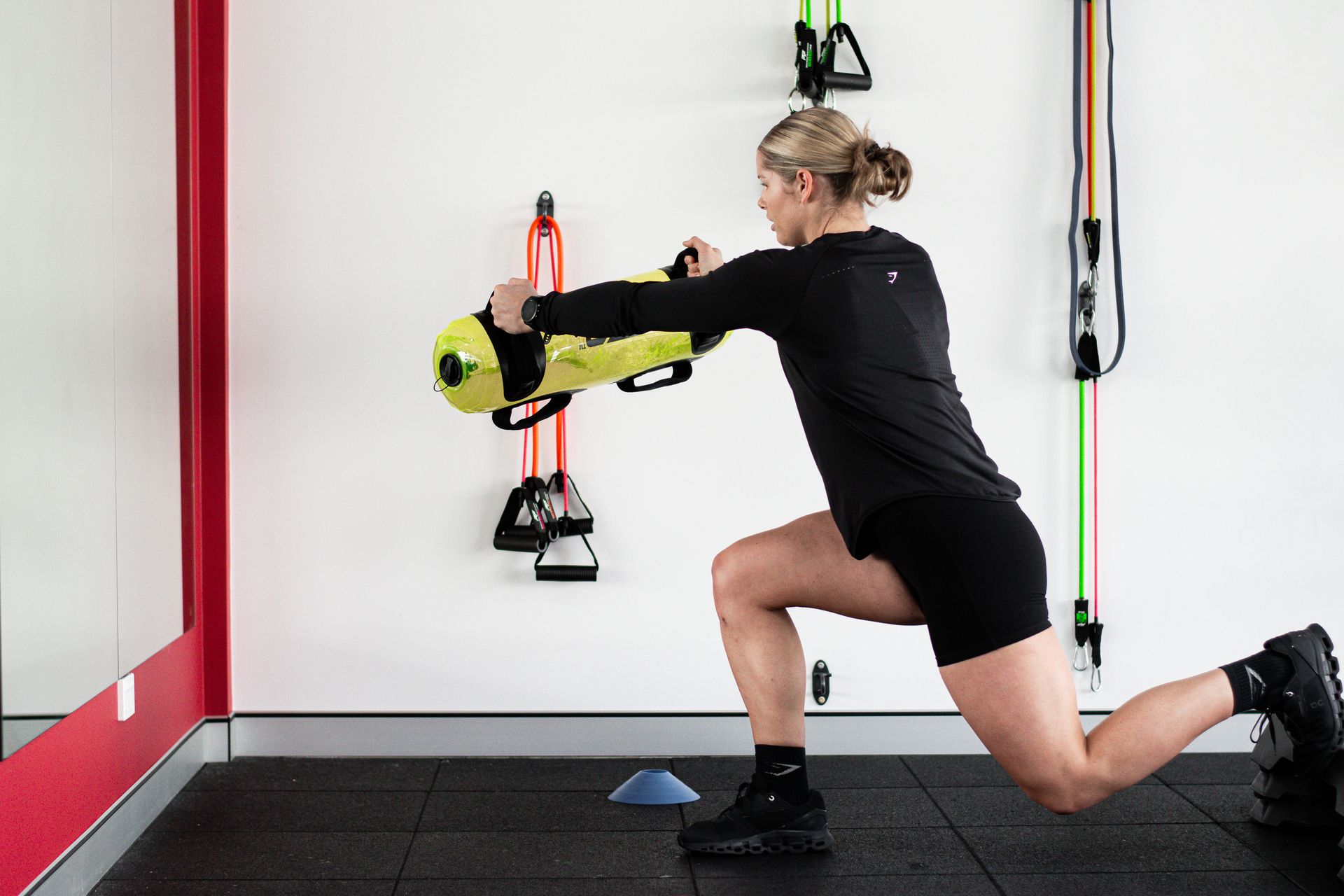
This is where the real strength work begins. The graft is still maturing but can now tolerate progressively higher loads. Closed-chain exercises dominate: goblet squats, split squats, Bulgarian split squats, Romanian deadlifts, leg press through increasing range, hamstring curls, and hip abduction work with resistance. The goal is to rebuild symmetrical strength between the operated and non-operated limbs, targeting the specific deficits associated with the graft type used.
A common mistake in this phase is over-focusing on quadriceps while neglecting posterior chain strength. Hamstring co-contraction is a primary dynamic stabiliser of the ACL. Underdeveloped hamstrings in a post-surgical knee are a genuine re-injury risk factor, particularly during deceleration and change-of-direction tasks.
Phase 4: Neuromuscular Control and Running Return (Months 4 to 6)
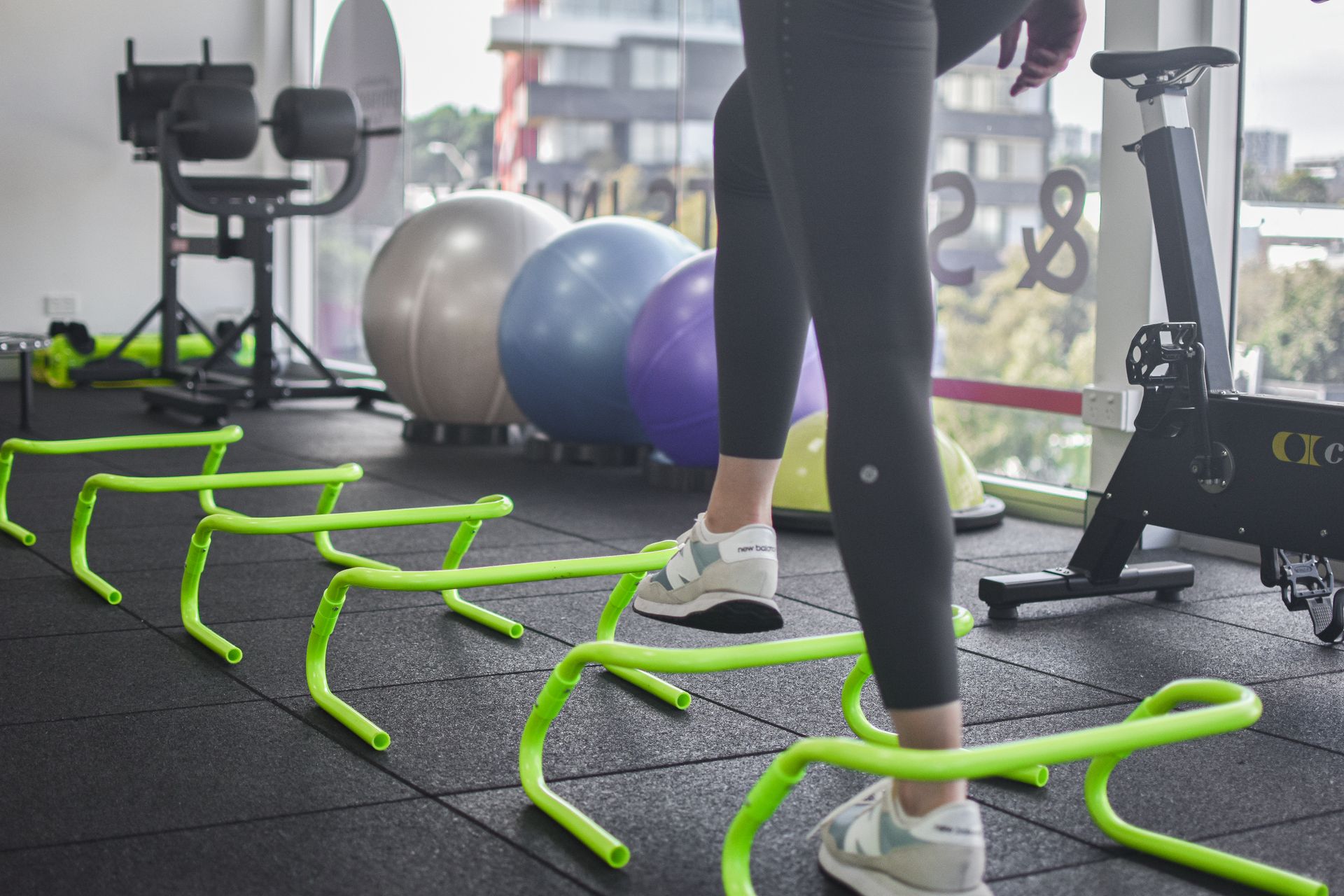
Return to running is not a reward for good behaviour. It is a clinical decision based on strength symmetry, single-leg stability, and quality of movement patterns. Running is progressively reintroduced in a straight-line format, with distance and intensity controlled carefully. Neuromuscular control work, including single-leg balance, reactive drills, and perturbation training, becomes the central focus. The athlete must demonstrate clean landing mechanics before any multidirectional movement is added.
Phase 5: Sport-Specific Preparation and Return to Play (Months 6 to 12+)
Cutting, pivoting, jump-landing, and contact scenarios are reintroduced under controlled and then progressive loading. Psychological readiness is formally assessed here, as fear of re-injury is a well-recognised barrier to full return to performance even when physical criteria are met. Return to competitive sport is not cleared until objective testing confirms the athlete has met all defined benchmarks.
Surgery or No Surgery: Making the Right Call
Not every ACL tear requires surgical reconstruction. The decision depends on the degree of injury, the individual's age, activity demands, the presence of concurrent injuries such as meniscal or cartilage damage, and their expectations for return to high-level pivoting sport. Surgical reconstruction is typically recommended for younger athletes, those competing in high-demand pivot sports, and individuals with combined ligamentous or meniscal injuries causing functional instability.
Conservative, non-surgical rehabilitation has produced strong outcomes for many individuals, particularly those with lower activity demands, older patients, and those with partial ACL tears. A skilled physiotherapy program for non-surgical management focuses on restoring range of motion, building compensatory strength in the surrounding musculature, proprioceptive retraining, and returning to function within appropriate movement parameters. The decision about the right approach should never be made in the first week of injury when pain and swelling are at their peak. Allow the acute phase to settle, get a thorough assessment, and then make an informed call.
The surgical procedure takes roughly an hour. The rehabilitation that follows is what actually determines whether the knee functions properly for the next ten years. Treat the rehab accordingly.
ACL Graft Types and What They Mean for Your Rehab
The graft chosen for ACL reconstruction has direct implications for how rehabilitation is programmed. The three most commonly used autograft options are the bone-patellar tendon-bone (BPTB) graft, the hamstring tendon (HT) graft, and the increasingly used quadriceps tendon (QT) graft.
With a patellar tendon graft , research identifies low-velocity concentric extensor deficits, particularly through mid-range flexion. Rehabilitation needs to address quadriceps strength through a specific range and velocity profile to correct this. Anterior knee pain at the donor site is also a consideration in programming, particularly with kneeling and squatting patterns early in recovery.
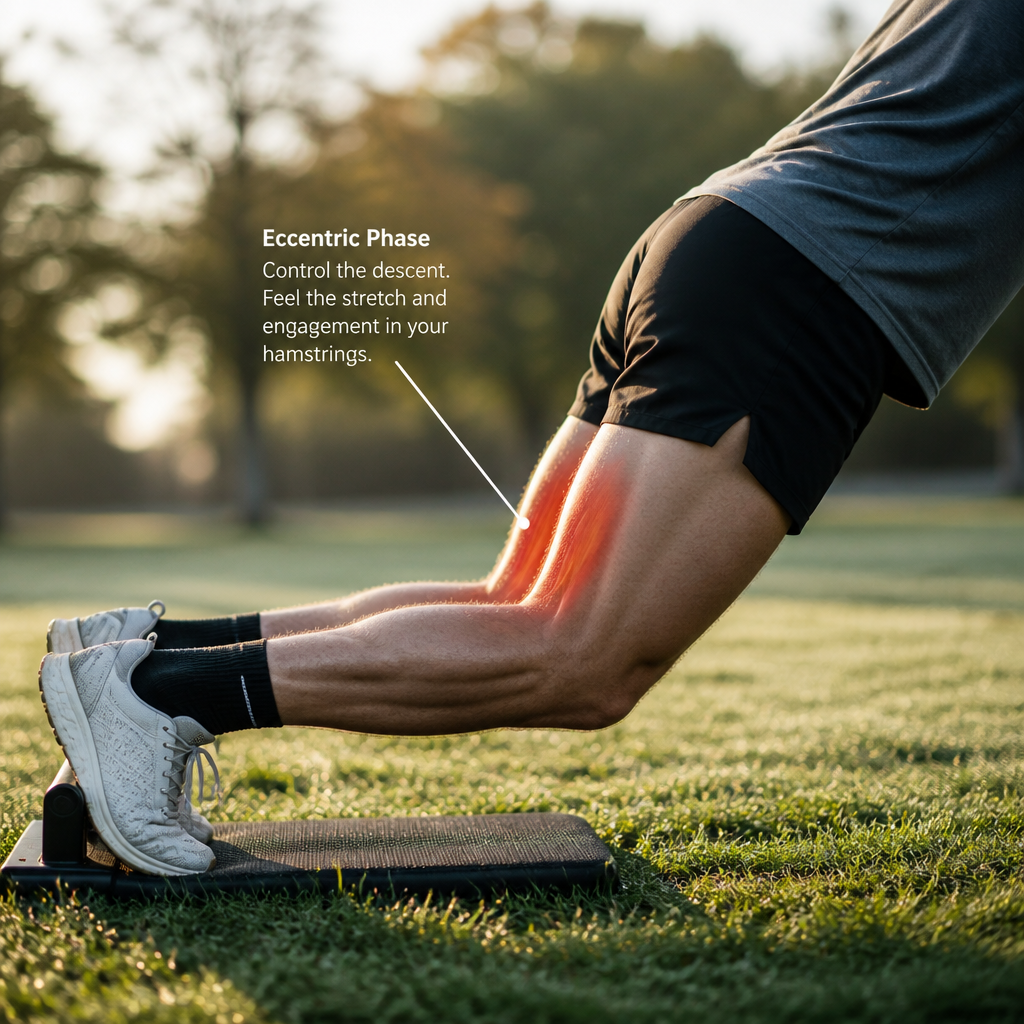
With a hamstring tendon graft , the primary strength deficit tends to be high-velocity, eccentric flexor weakness. This has direct implications for deceleration and landing tasks. Eccentric hamstring loading must be deliberately programmed and progressed carefully, given that the donor site muscles are also the primary dynamic knee stabilisers.
Understanding which graft was used is not academic knowledge. It directly shapes which exercises your physiotherapist should be prescribing and at what stage of recovery. If your physio program looks the same regardless of graft type, that is a problem worth raising.

Key Exercises by Phase
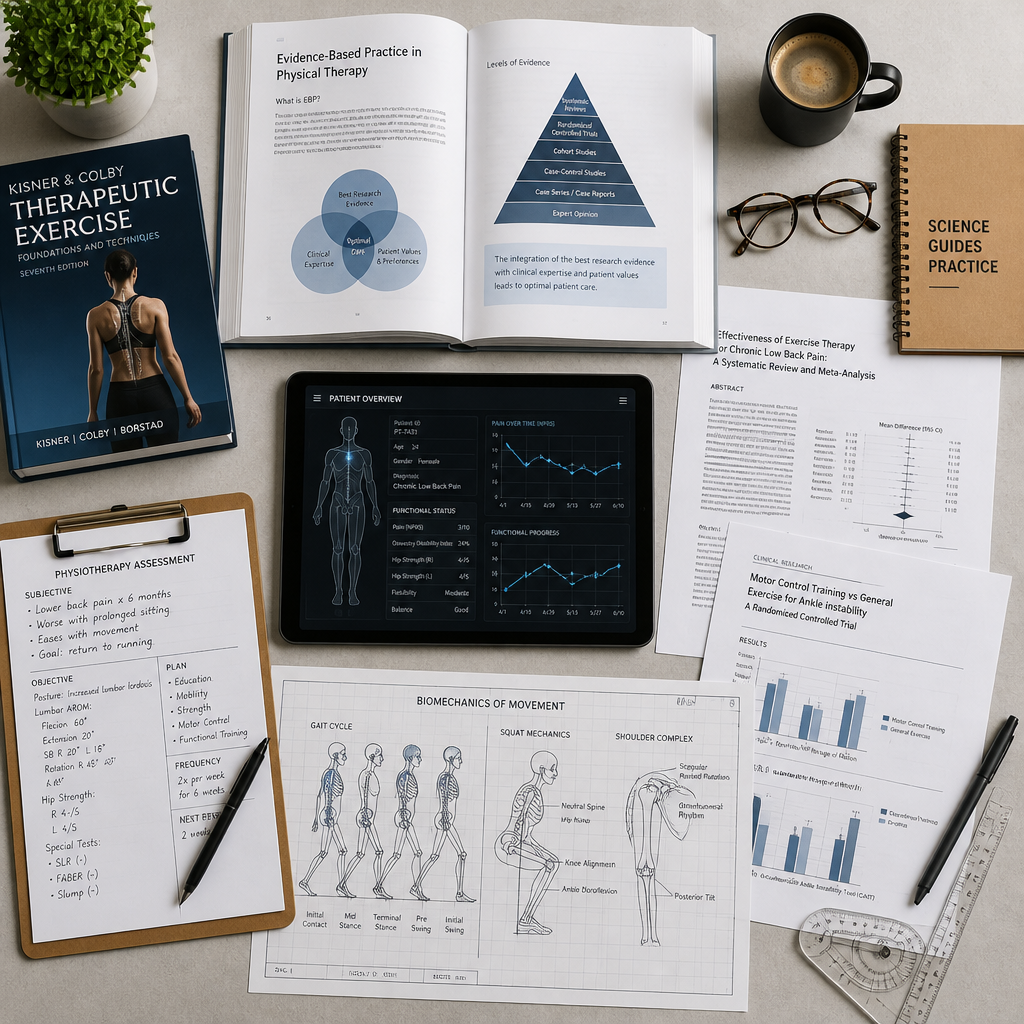
The exercises listed here represent the categories used in evidence-based ACL rehabilitation. Specific sets, reps, and load parameters must be individualised by a physiotherapist based on your graft type, surgical findings, and weekly progress assessments.
Phase 1 Exercises (Weeks 1 to 2)
- Quad sets (isometric quadriceps activation)
- Heel slides for flexion ROM
- Prone knee hangs to restore full extension
- Straight-leg raises
- Ankle pumps for circulation
- NMES-assisted quadriceps activation where indicated
Phase 2 Exercises (Weeks 2 to 6)
- Stationary cycling (low resistance)
- Calf raises (double-leg progressing to single-leg)
- Hip abduction and extension strengthening
- Mini squats (0 to 45 degrees)
- Step-ups (progressing height gradually)
- Gait re-education drills
- Terminal knee extensions
Phase 3 Exercises (Weeks 6 to 16)
- Goblet squats and progressing squat variations
- Split squats and Bulgarian split squats
- Romanian deadlifts
- Leg press through progressive range
- Hamstring curls (concentric and progressing to eccentric)
- Hip abduction and external rotation with resistance
- Single-leg press
Phase 4 to 5 Exercises (Months 4 to 12+)
- Straight-line running progression
- Single-leg balance and reactive perturbation training
- Lateral shuffles and change-of-direction drills
- Jump-landing mechanics (box drops, bilateral to unilateral progression)
- Sport-specific movement patterns under controlled conditions
- Plyometric progressions calibrated to sport demands
Pro tip: Plyometric training should not be introduced until you can demonstrate greater than 80% limb symmetry on single-leg strength testing and clean, controlled landing mechanics on single-leg squats. Introducing jumping and cutting movements before this threshold is a well-recognised driver of re-rupture, particularly in the six to nine month post-operative window.
Return to Sport Criteria: Not Just a Calendar
The biggest error in ACL rehabilitation is treating return to sport as a date on a calendar rather than a set of measurable benchmarks. Evidence consistently supports the use of the Limb Symmetry Index (LSI) as the primary objective measure for return-to-sport clearance. A score greater than 90% LSI on isokinetic quadriceps and hamstring strength testing, combined with passing scores on a battery of functional hop tests, represents the current evidence-based minimum standard before returning to competitive sport.
Alongside physical testing, psychological readiness must be assessed. Athletes who pass all physical criteria but report high fear of re-injury demonstrate elevated re-injury rates. The ACL Return to Sport after Injury (ACL-RSI) scale is one validated tool for measuring this dimension of readiness.
In practice, athletes who attempt return to high-demand pivoting sport before meeting these criteria carry a significantly elevated risk of re-rupture, particularly in the first two years post-surgery. The evidence here is clear: meeting the criteria matters more than the specific number of months post-operation.
Approach Comparison: Criteria-Based vs. Time-Based vs. Pain-Guided
| Rehabilitation Approach | How Progression is Decided | Evidence Base and Risk Profile |
|---|---|---|
| Criteria-Based Progression | Athlete advances to the next phase only when objective benchmarks are met: strength ratios, hop test scores, movement quality assessments, and psychological readiness scores. | Strongly supported by current evidence. Associated with lower re-injury rates and better long-term outcomes. Requires expert physiotherapy oversight to administer and interpret correctly. |
| Time-Based Progression | Phases change according to weeks or months since surgery, regardless of whether the athlete has achieved the strength or movement quality required for the next phase. | Common in high-volume, under-resourced settings. Convenient but frequently allows athletes to progress before they are ready. Associated with higher re-rupture rates when used as the sole progression method. |
| Pain-Guided Progression | Exercises and loading progress based primarily on the absence of pain, with pain used as the main signal to advance or reduce intensity. | Pain is a poor proxy for tissue readiness, particularly in the post-surgical knee where pain often reduces long before the graft is structurally prepared for high-demand loading. Relying on pain alone misses critical strength and neuromuscular deficits. |
Common Mistakes That Extend Recovery
ACL rehabilitation is long enough without adding avoidable setbacks. These are the patterns that consistently extend timelines and increase re-injury risk.
Skipping the First Two Weeks
The assumption that early post-surgical rehabilitation means rest is wrong and costly. Patients who do not begin active physiotherapy within the first 24 to 48 hours post-surgery, particularly quad activation and passive extension work, frequently pay for it with months of additional recovery. This is not a phase for watching and waiting. It is a phase for precision, low-load work that sets the structural foundations for everything that follows.
Advancing Based on Absence of Pain
Pain reduction is not the same as readiness to progress. The graft undergoes its most significant biological remodelling between months two and six, a period during which the knee often feels deceptively comfortable. Athletes who interpret this comfort as clearance to run, jump, or return to training are operating on exactly the wrong signal.
Neglecting Hip and Posterior Chain Strength
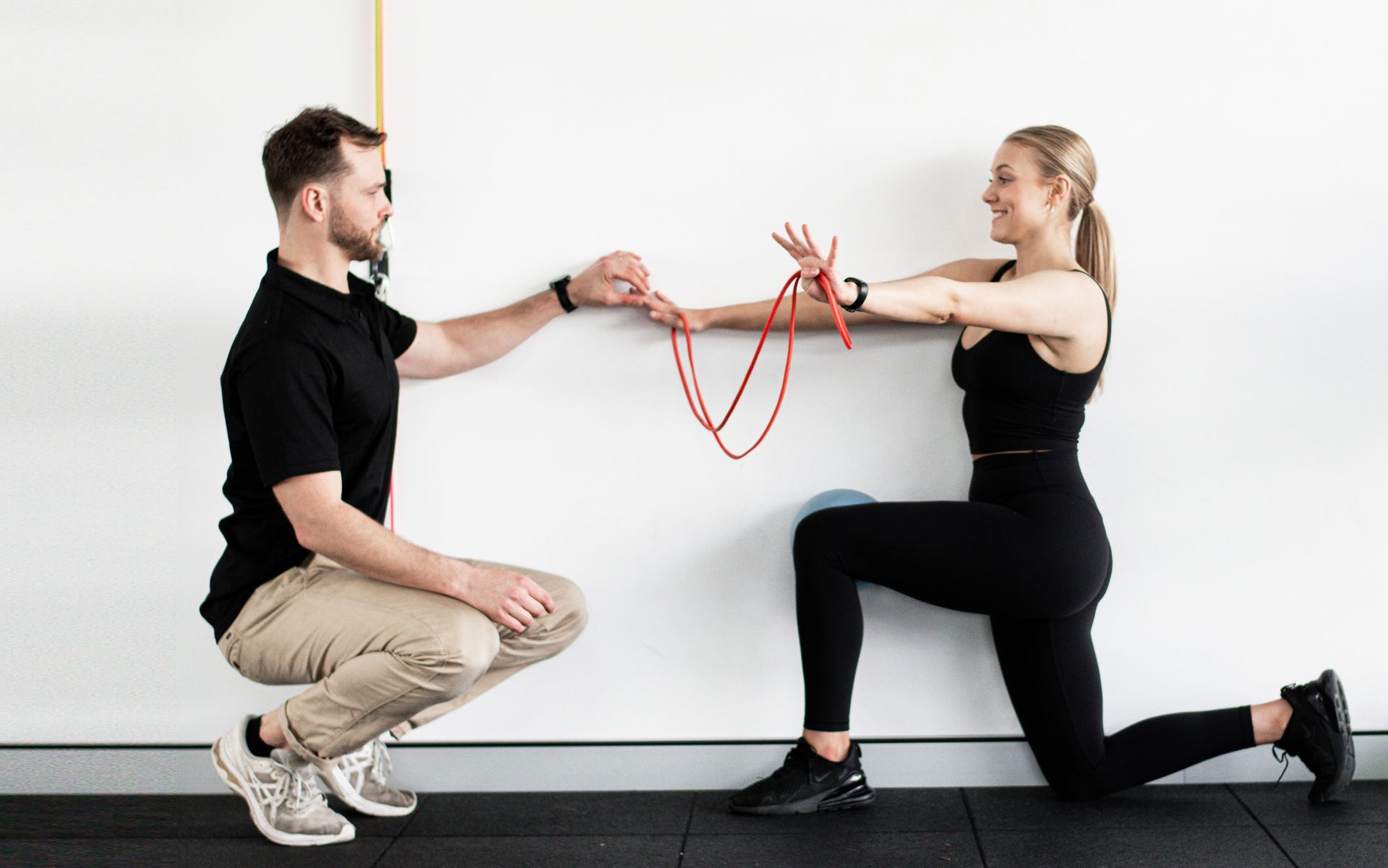
Knee-focused rehabilitation that ignores the hip is incomplete. Gluteal weakness, particularly in abduction and external rotation, is a direct driver of poor knee alignment during landing and cutting tasks. Building a strong, reactive hip is not supplementary work. It is central to rebuilding a stable, sport-ready knee.
Returning to Sport Before Passing Objective Testing
The temptation to return for a season-defining game, a major race, or because it "feels fine" is understandable. The consequences, however, are not. Re-rupture rates in athletes who return to sport before meeting LSI criteria are substantially higher than those who complete the full testing battery. No single game is worth another twelve months of rehabilitation.
ACL Rehabilitation at Alexandria Physio
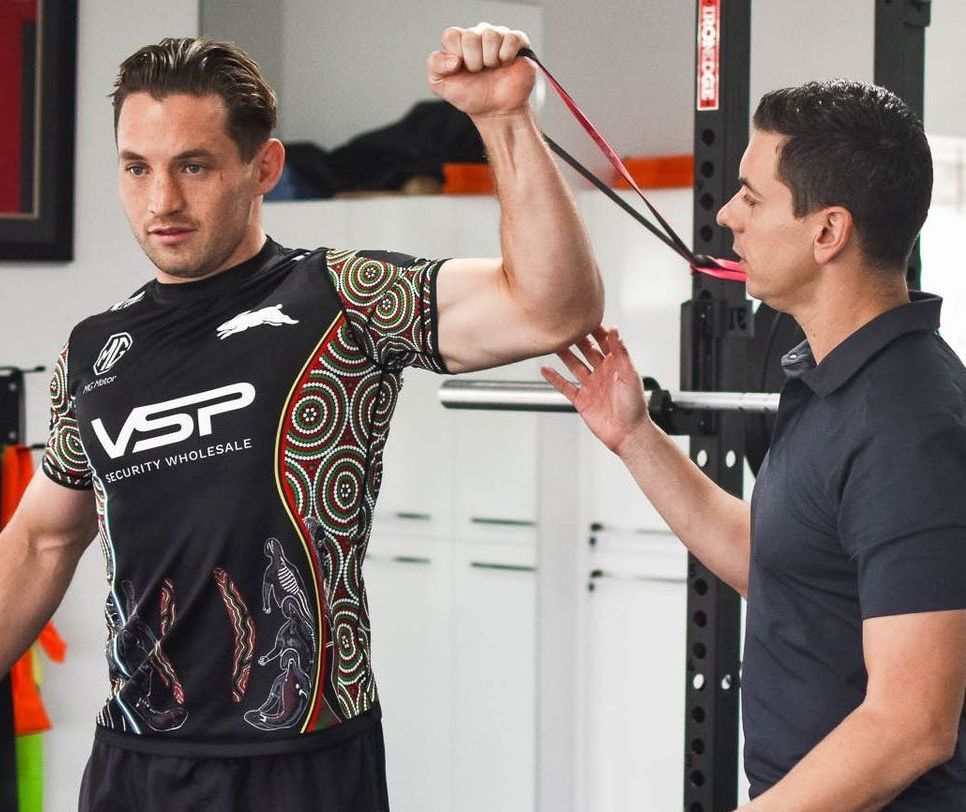
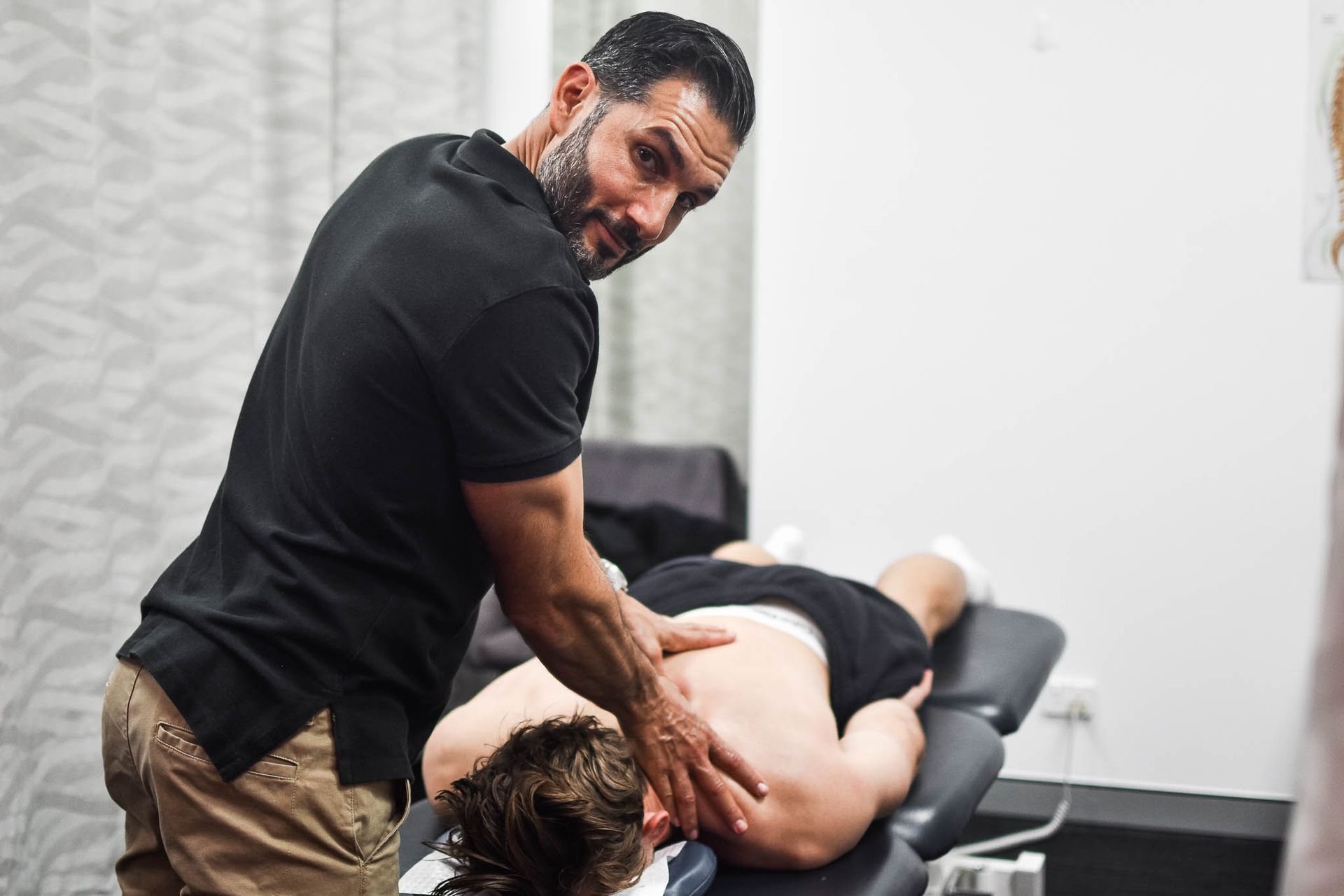
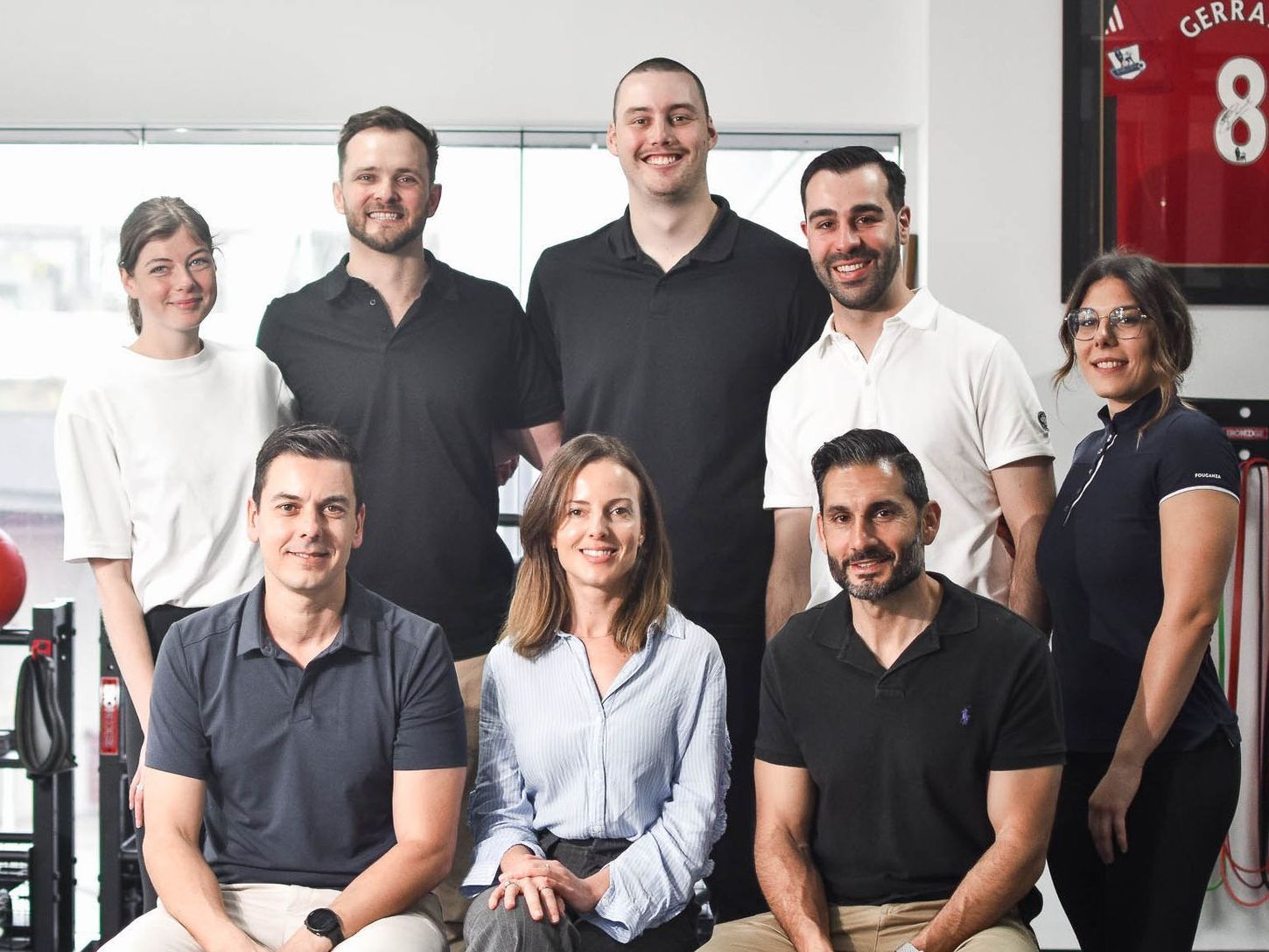
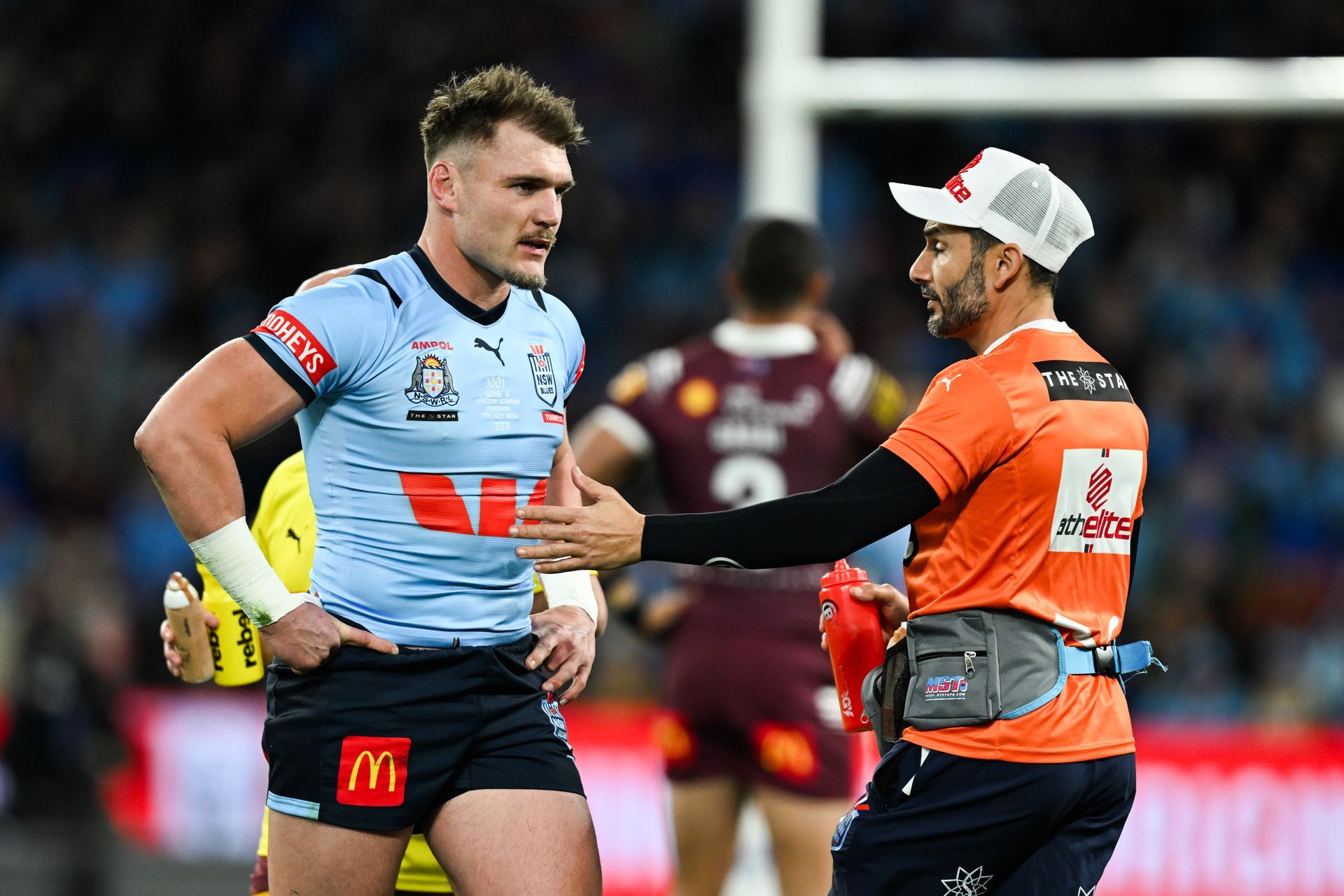
Alexandria Physiotherapy and Sports Injury Clinic is built around the same evidence-based standards that govern elite sport. The clinic was founded by Eddie Farah and Steve Velovski, physiotherapists who spent over fifteen years working at the highest levels of the NRL with the South Sydney Rabbitohs. Eddie Farah continues in his role as Head Physiotherapist for the NSW Blues, bringing that level of elite clinical thinking directly into the management of every patient who walks through the clinic's doors.
The clinic's team brings backgrounds in Australian Rugby, the NSW Waratahs, and Olympic athlete management to their everyday practice. This is not background noise. It means that when you are navigating a complex ACL rehabilitation program, your physiotherapist has managed the same injury profile in athletes with professional careers on the line. The standards applied to your program are the same standards applied in elite environments, adapted for your individual goals, timeline, and lifestyle.
For athletes and community members in Alexandria, Sydney, and the surrounding inner-south suburbs, this level of evidence-based, performance-oriented knee injury treatment is available without travelling to a specialist hospital setting. If you are in the early stages of an ACL injury or post-surgical recovery and you want a rehabilitation program that actually matches the standard of your goals, the team at Alexandria Physio is the right starting point. You can book an assessment directly through the online booking page or explore the full range of physiotherapy and sports injury services available at the clinic.
Frequently Asked Questions
How long does ACL rehabilitation take in Sydney?
The timeline for ACL rehabilitation following surgical reconstruction generally ranges from 9 to 18 months before return to competitive sport. Professional athletes with daily access to elite rehabilitation and sports medicine support can return in as little as 9 months. For most people, the realistic timeline is 12 months or longer. Non-surgical rehabilitation for partial tears or lower-demand individuals can follow a shorter timeline depending on goals.
Do I need surgery for an ACL tear?
Not necessarily. Surgical reconstruction is typically recommended for complete tears in younger, active individuals who participate in pivoting sports, or when the ACL tear is accompanied by meniscal or other ligamentous damage. Older adults, lower-demand individuals, and those with partial tears can achieve excellent outcomes through structured non-surgical rehabilitation. The decision should be made after the acute swelling has settled, following a thorough clinical assessment and often with the input of an orthopaedic surgeon.
What is the Limb Symmetry Index and why does it matter?
The Limb Symmetry Index (LSI) compares the strength or performance of your operated leg to your non-operated leg, expressed as a percentage. A score of 90% or greater on quadriceps and hamstring strength testing, combined with passing scores on functional hop tests, is the current evidence-based standard for return-to-sport clearance after ACL reconstruction. Athletes who return to sport before achieving this threshold carry a significantly elevated risk of re-rupture.
What is the difference between a hamstring graft and a patellar tendon graft?
Both are autograft options where tissue is taken from your own body to reconstruct the ACL. The patellar tendon graft (bone-patellar tendon-bone or BPTB) tends to produce low-velocity concentric extensor deficits and can cause anterior knee pain at the donor site. The hamstring tendon graft tends to produce high-velocity eccentric flexor deficits and affects the muscles that also act as dynamic knee stabilisers. Each graft type requires different rehabilitation emphasis to correct the specific strength deficits it creates.
When can I return to running after ACL surgery?
Return to running is a clinical decision, not a milestone automatically reached at a particular week. Before running is reintroduced, you need to demonstrate adequate single-leg strength and stability, full pain-free range of motion, and clean movement mechanics on single-leg tasks. In most criteria-based programs, straight-line running begins somewhere between months three and five post-surgery, with pace and distance controlled carefully from the outset.
Can ACL rehabilitation be done without surgery if I play competitive sport?
This depends heavily on the demands of the sport and the degree of instability present. Some individuals with complete ACL tears do return to low-level recreational sport without surgery through a targeted strengthening program. However, for athletes competing in high-demand pivoting sports at a meaningful competitive level, non-surgical management carries a higher risk of ongoing instability and further joint damage, particularly to the meniscus. This is a conversation to have in detail with both an orthopaedic specialist and an experienced physiotherapist.
What should I look for in an ACL physiotherapist in Sydney?
Look for a physiotherapist with direct experience in sports injury rehabilitation and, ideally, elite sport environments. They should use a criteria-based progression model, not a time-based calendar. They should understand graft-specific rehabilitation protocols and be able to administer and interpret objective return-to-sport testing. In Sydney, this standard of ACL recovery physio is exactly what the team at Alexandria Physiotherapy and Sports Injury Clinic is built around.
If you are currently working through an ACL recovery or have recently been diagnosed, we would genuinely like to hear what questions or challenges you are facing, drop them in the comments or get in touch directly and we will do our best to help you navigate the next step.
References
- Week-by-week ACL surgery recovery timeline covering early post-operative care through return to sport
- Evidence-based ACL rehabilitation exercise progressions across all five phases of recovery
- Research on Limb Symmetry Index criteria and return-to-sport decision making after ACL reconstruction
- Peer-reviewed analysis of graft type selection and its implications for ACL rehabilitation programming
- Clinical overview of ACL rehabilitation phases, goals, and exercise selection by phase